AR Workforce Assistance
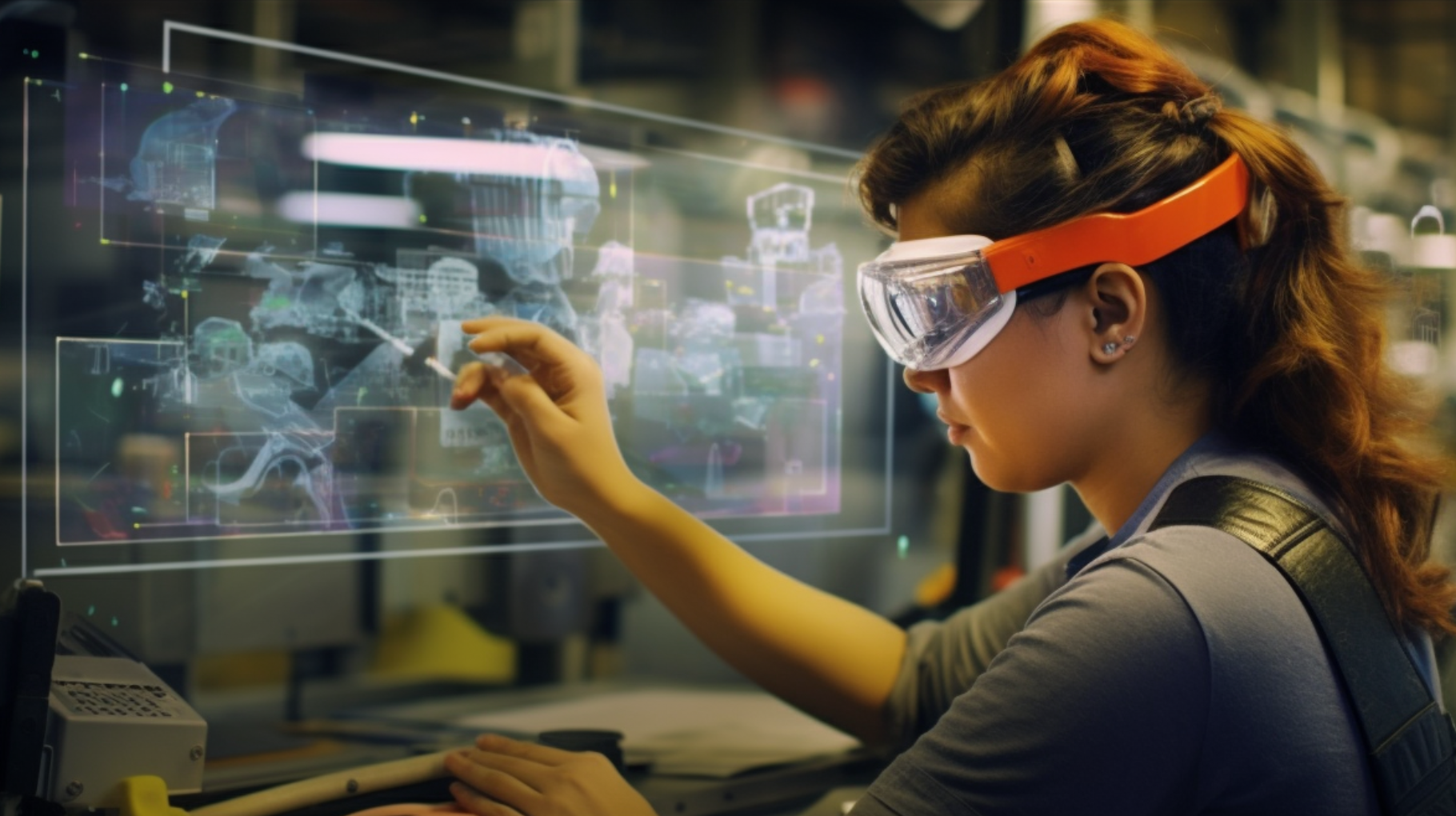
Augmented Reality (AR) Workforce Assistance is revolutionising the way urban environments function by addressing several critical challenges faced by contemporary cities. This technology aims to enhance productivity, reduce operational errors, and provide real-time solutions to complex problems that arise in various urban sectors, such as construction, maintenance, and emergency response.
AR Workforce Assistance overlays digital information onto the physical world through devices like smart glasses or mobile devices. It provides workers with interactive, 3D visuals and real-time data directly in their field of vision. For example, a technician repairing electrical systems can see step-by-step instructions, diagnostic data, and safety warnings superimposed on the equipment they are working on, thereby reducing the likelihood of errors and significantly speeding up the repair process.
The functionality of AR Workforce Assistance relies on advanced sensors, computer vision, and artificial intelligence (AI) to analyse the environment and provide contextual information. These systems can recognise objects and their conditions, predict potential issues, and offer guidance on the best course of action. In a construction setting, AR can project the digital plans onto the actual site, allowing workers to visualise the final structure and ensure that every component is in its correct place – which streamlines the construction process and minimises costly mistakes.
As urban areas continue to grow and infrastructure becomes more complex, the demand for efficient, accurate, and safe operational methods increases. AR technology not only meets these demands but also enhances the capabilities of the urban workforce. It empowers workers by providing them with the tools and information they need to perform their tasks more effectively, which leads to improved productivity and job satisfaction.
Moreover, AR Workforce Assistance plays a pivotal role in urban resilience. In emergency situations, first responders equipped with AR can access critical information such as building layouts, hazard locations, and real-time updates, which enhances their ability to make informed decisions quickly and effectively. This can lead to faster response times and better outcomes in crisis scenarios, ultimately making cities safer and more resilient.