Cognitive Twin
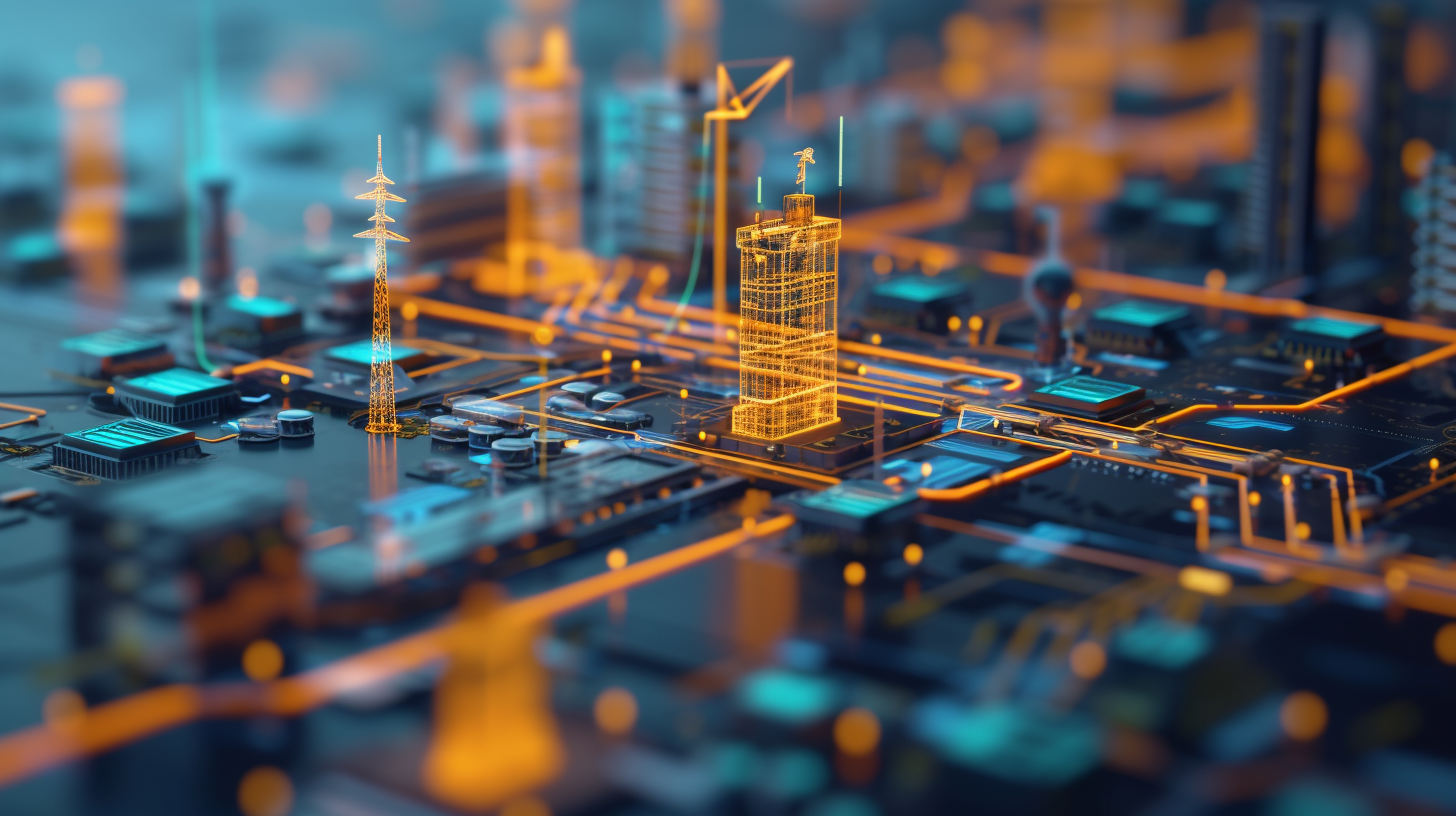
This solution provides a sophisticated digital representation of a city's physical assets, processes, and systems. A cognitive twin integrates artificial intelligence, machine learning, and real-time data analytics to create a dynamic, self-updating model of urban environments. By simulating scenarios and predicting outcomes, cognitive twins help city planners and managers make informed decisions to improve efficiency, reduce costs, and enhance the quality of life for residents.
A cognitive twin is essentially a highly advanced digital twin augmented with cognitive computing capabilities. It continuously collects and processes data from various sources, such as sensors, IoT devices, and historical records, to maintain an up-to-date virtual model of the city. This model can simulate different urban scenarios, such as traffic flow, energy consumption, and emergency response, allowing stakeholders to test and refine strategies before implementation. For instance, cognitive twins can predict the impact of new infrastructure projects on traffic congestion, helping planners design more effective transportation networks.
The core functionality of a cognitive twin lies in its ability to learn and adapt over time. Using machine learning algorithms, it analyses patterns and trends, identifying potential issues and suggesting optimal solutions. For example, in energy management, a cognitive twin can forecast demand peaks and adjust supply strategies accordingly, ensuring a balanced and efficient distribution of resources. Additionally, it can detect anomalies in infrastructure, such as water leaks or power outages, enabling proactive maintenance and reducing downtime.
As urban populations grow, the demand for smarter, more sustainable urban solutions intensifies. Cognitive twins offer a powerful tool for achieving these goals, enabling cities to become more resilient, adaptive, and efficient. By leveraging real-time data and predictive analytics, cities can better manage resources, enhance public services, and improve overall urban living conditions. This technology not only supports immediate decision-making but also facilitates long-term strategic planning, ensuring cities are well-prepared to meet future challenges.