Integrated Autonomous Energy Grid
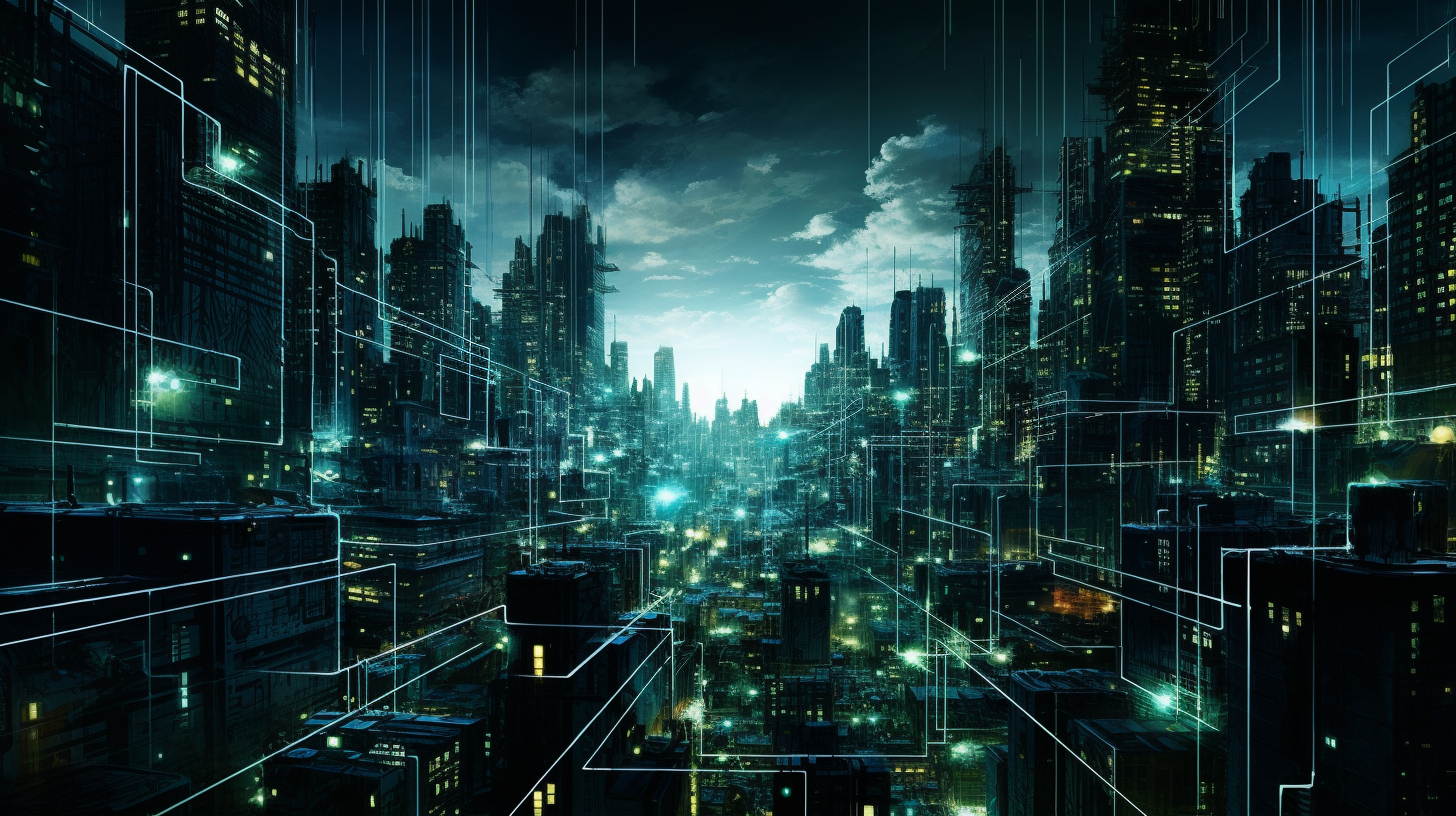
Urban centres worldwide are grappling with the dual challenges of energy inefficiency and the escalating demands of an ever-growing population. The Integrated Autonomous Energy Grid (IAEG) offers a solution to these pressing issues. As cities continue to expand, traditional power grids struggle to keep up with the dynamic energy requirements, leading to frequent outages and increased greenhouse gas emissions. The IAEG addresses these problems by ensuring a more resilient, efficient, and sustainable energy distribution system.
The Integrated Autonomous Energy Grid is an advanced energy management system that autonomously balances energy supply and demand within urban areas. It utilises artificial intelligence and machine learning algorithms to monitor, predict, and manage energy flows. By integrating renewable energy sources such as solar and wind power with traditional energy infrastructure, the IAEG can dynamically adjust to fluctuations in energy production and consumption. This ensures a consistent and reliable energy supply, minimising wastage and reducing the reliance on fossil fuels.
At the core of the IAEG is its sophisticated network of sensors and smart meters, which continuously collect data on energy usage and production. This data is analysed in real-time by the grid's AI system, which then optimises the distribution of energy across the network. In the event of a power outage or a sudden spike in demand, the IAEG can swiftly reallocate resources to maintain stability. Additionally, the system's predictive capabilities enable it to anticipate future energy needs and prepare accordingly, further enhancing its efficiency and reliability.
The energy demand will only increase with the growing urbanisation, putting further strain on existing infrastructure. The IAEG offers a sustainable solution by maximising the use of renewable energy sources and improving overall grid efficiency. This not only helps in reducing carbon emissions but also in creating a more resilient urban environment capable of withstanding the challenges posed by climate change and population growth.
Moreover, the IAEG fosters greater energy independence for cities, reducing their vulnerability to external energy supply disruptions. By harnessing local renewable resources and optimising energy consumption, cities can achieve a more sustainable and self-sufficient energy model. This technological advancement is crucial for building smart cities of the future, where energy efficiency and sustainability are paramount.