Modular Nuclear Reactor
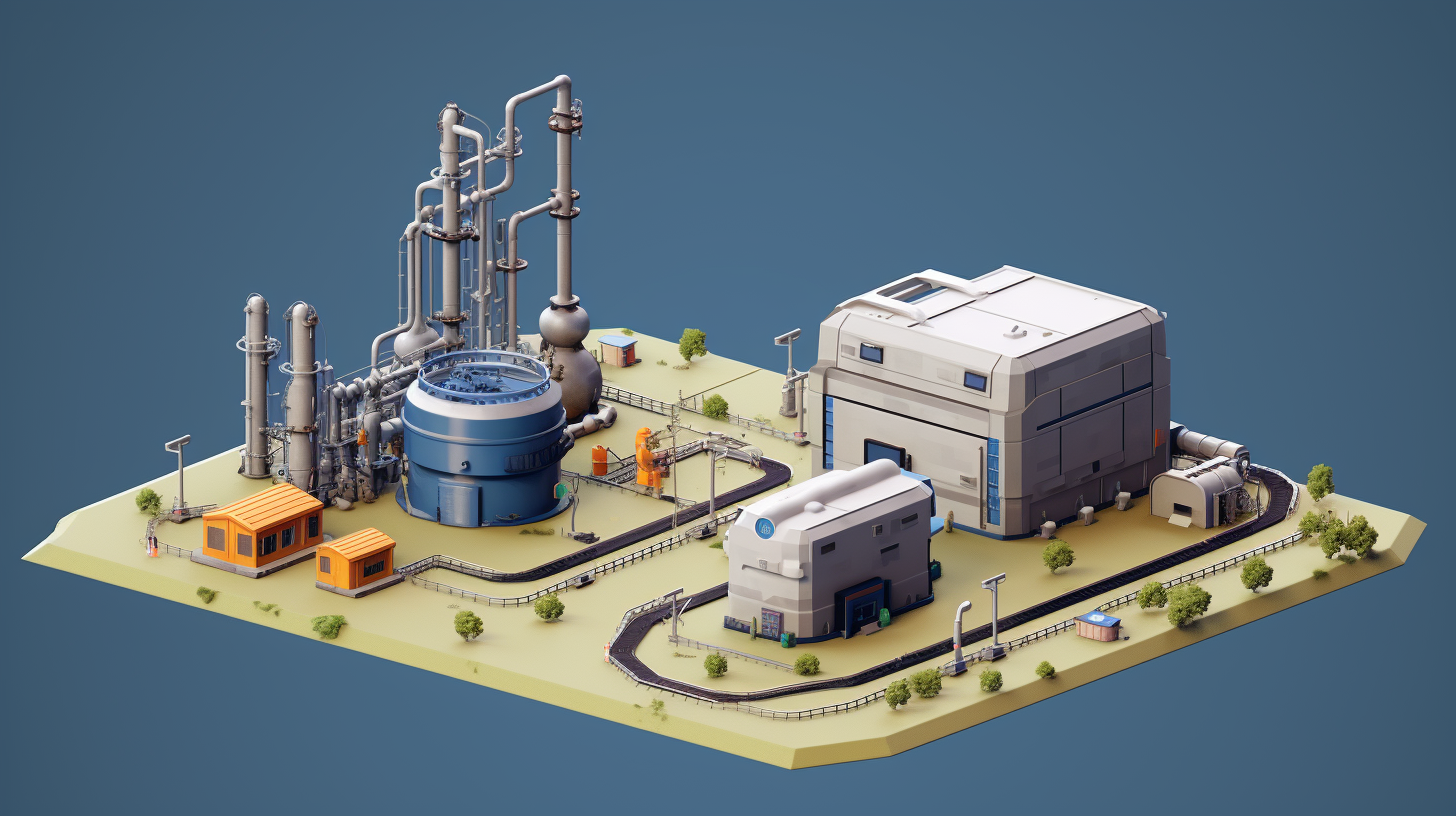
One of the pressing challenges facing modern cities is the need for a sustainable and reliable energy supply. Traditional energy sources, such as coal and natural gas, contribute significantly to air pollution and greenhouse gas emissions. In response to these issues, the modular nuclear reactor (MNR) emerges as a promising solution to meet the growing energy demands while reducing environmental impact.
A modular nuclear reactor is a type of small nuclear reactor that is designed to be constructed in a factory setting and then transported to the site where it will be operated. Unlike traditional large-scale nuclear reactors, MNRs are built in modules that can be assembled incrementally, allowing for greater flexibility and scalability. This modular approach also reduces construction times and costs, making it an attractive option for cities looking to modernise their energy infrastructure.
The operation of an MNR is based on the same fundamental principles as larger nuclear reactors, utilising nuclear fission to generate heat, which is then converted into electricity. However, MNRs incorporate advanced safety features that significantly reduce the risk of accidents. These reactors are often designed to be "walk-away safe," meaning they can safely shut down without human intervention in the event of an emergency. Additionally, their smaller size allows them to be integrated into urban environments with minimal disruption.
As urban areas continue to expand, the demand for clean and reliable energy will only increase. MNRs offer a viable path to decarbonising the energy sector, helping cities meet their sustainability goals. Furthermore, the ability to deploy these reactors in remote or underserved areas can enhance energy security and provide a stable power supply where it is needed most.