Smart Vending Machine
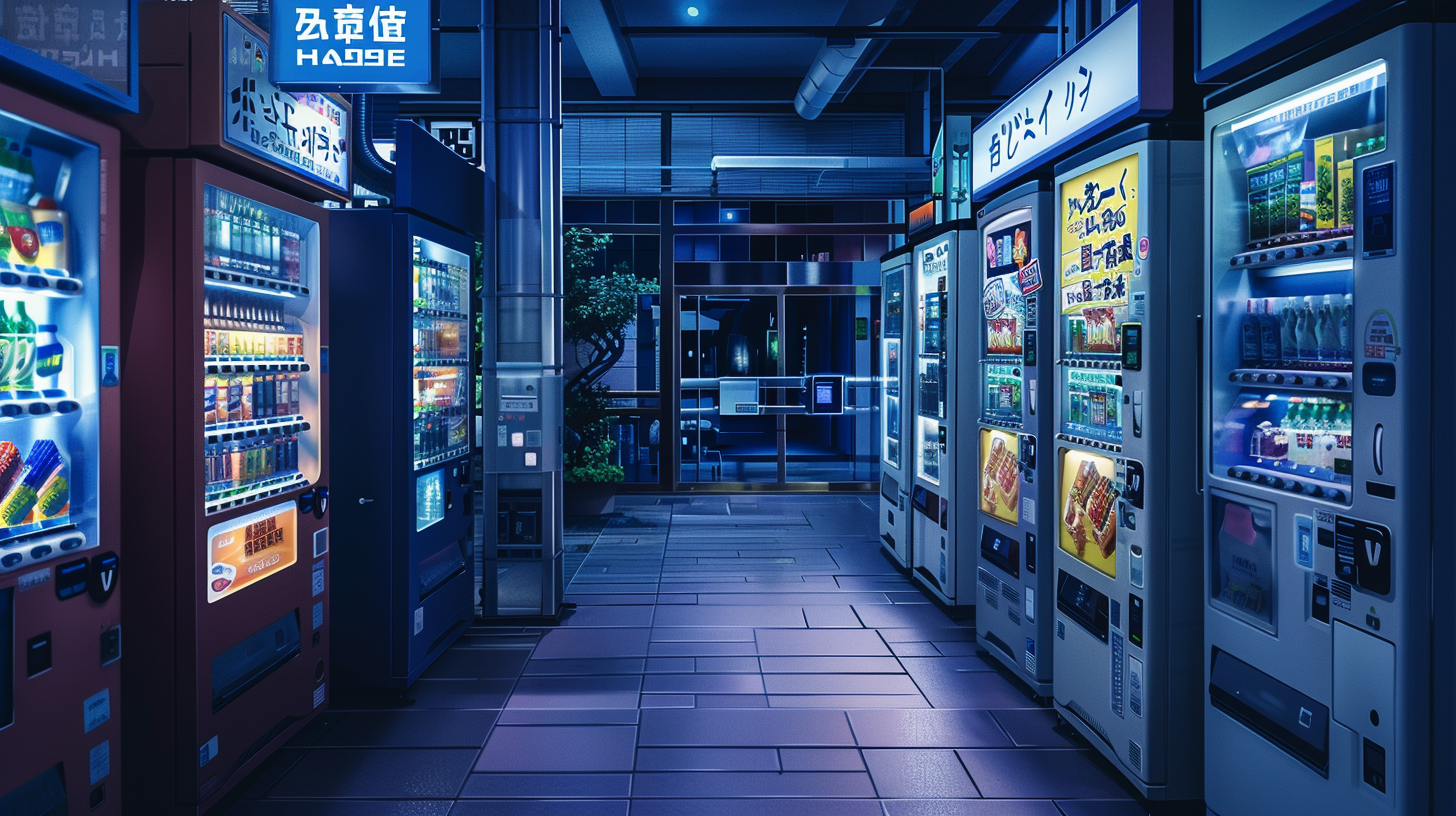
Vending machines have long been a convenient solution for quick snacks and beverages, but their role in urban environments is rapidly evolving to address broader societal challenges. One significant issue they tackle is the need for round-the-clock access to essential goods without the overhead of staffing 24-hour shops. As cities grow denser and the demand for flexible, accessible services increases, vending machines are being reimagined as versatile, automated retail hubs that can deliver everything from over-the-counter medications to hygiene products and even fresh food, effectively reducing the necessity for late-night staff in convenience stores and local, family-owned, independent businesses. This not only cuts operational costs but also enhances safety and convenience for both business owners and consumers.
Smart vending machines are much more than the simplistic snack dispensers of the past. These advanced units are part of the Internet of Things, as they are equipped with sophisticated inventory management systems, contactless payment options, and real-time data analytics. They can be tailored to meet the specific needs of different neighbourhoods, offering a curated selection of products based on local demand. Some can even be equipped with reverse capabilities for recycling. For small businesses, this technology represents a cost-effective way to extend their reach and availability without the financial burden of maintaining a physical storefront 24/7. By automating the sale of essential goods, these machines provide a lifeline for communities, especially in urban areas where traditional retail space is at a premium.
The integration of vending machines into the fabric of urban life is poised to play a crucial role in the future of cities. As urban populations swell and age and lifestyles become increasingly fast-paced, the demand for accessible, convenient retail solutions will only grow. Vending machines offer a scalable and flexible approach to meet these demands, serving as micro-hubs that can be deployed in a variety of locations, from transit stations to office buildings. Their ability to operate autonomously, paired with low maintenance requirements, makes them an attractive option for urban planners looking to enhance service delivery without the need for large-scale infrastructure investments.