Biomimicry
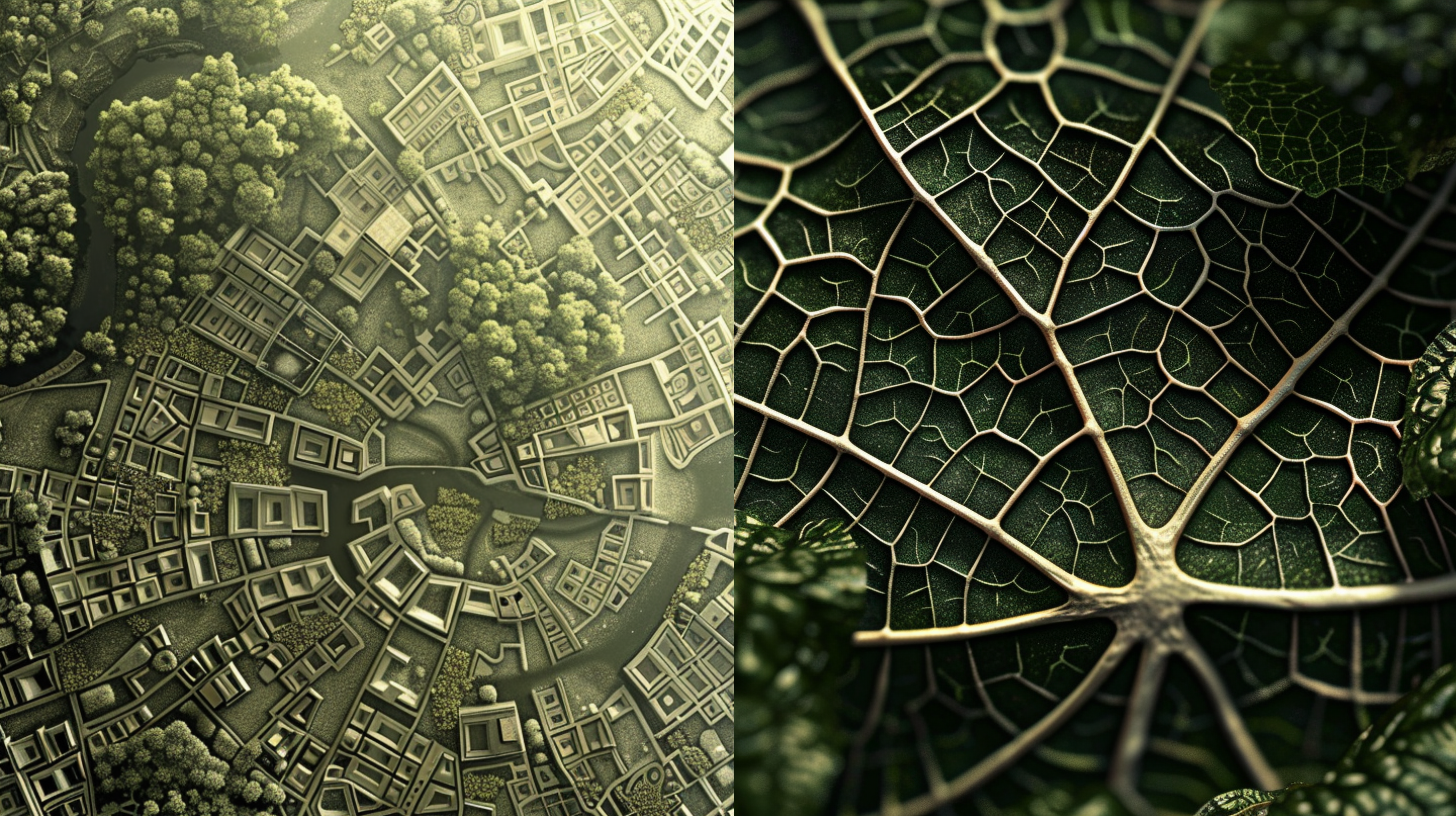
As cities around the world are grappling with problems such as loss of biodiversity, energy inefficiency, water scarcity, and air pollution, biomimicry seeks to solve these issues by emulating nature's time-tested patterns and strategies to create innovative and sustainable solutions. Biomimicry, or biomimetics, tackles the need for sustainable, efficient, and resilient infrastructure in the face of rapid urbanisation and climate change.
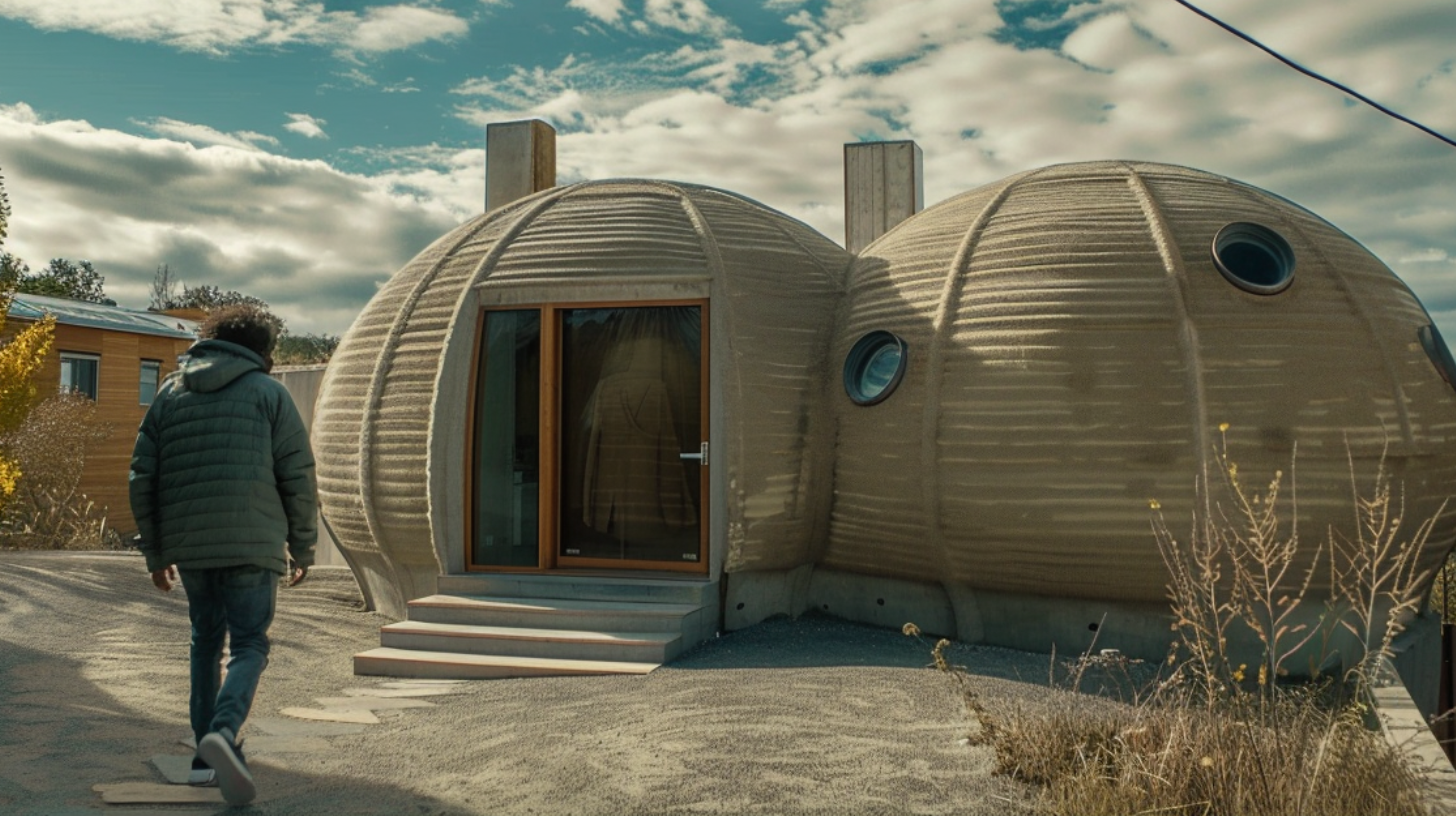
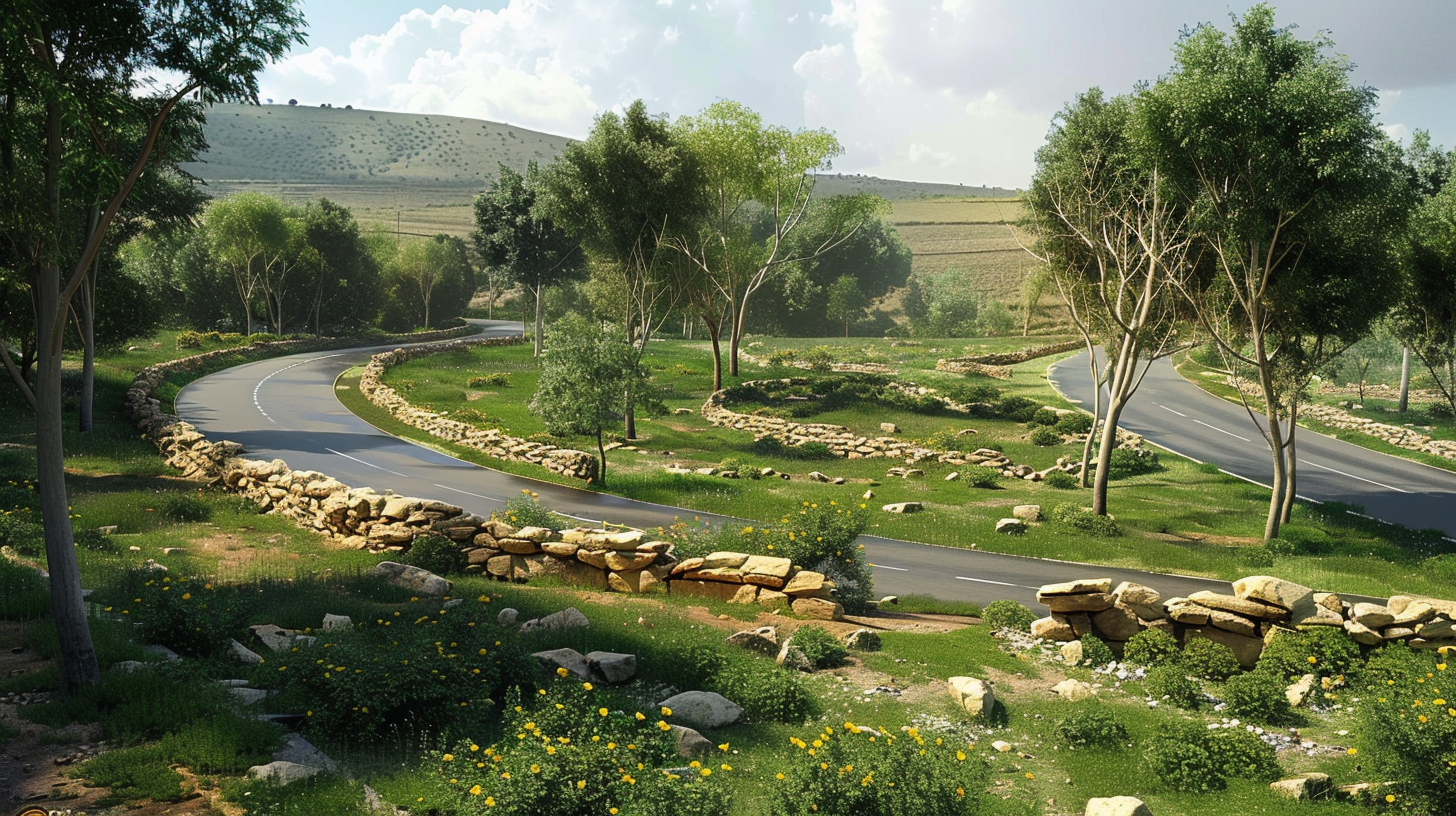
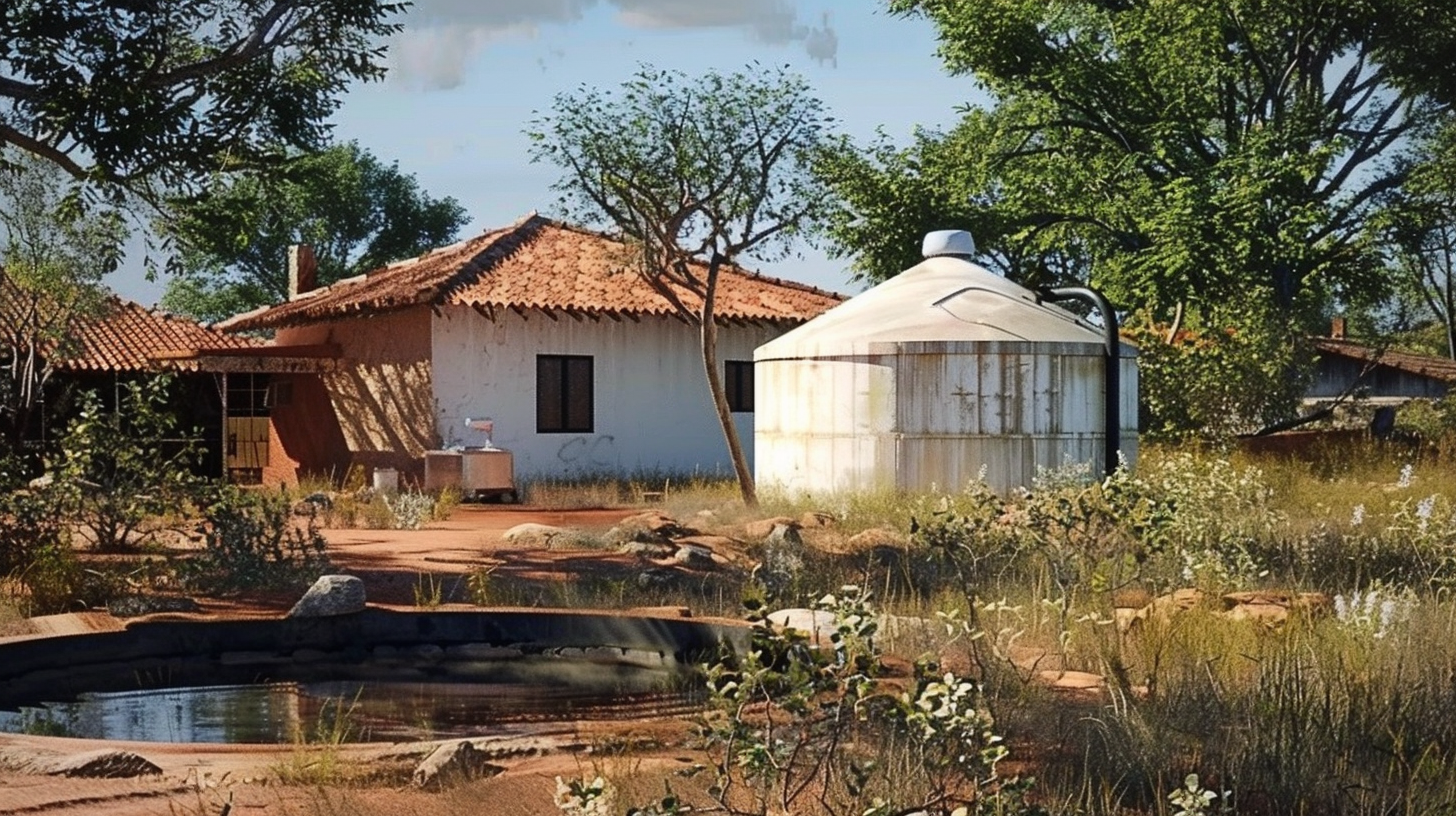
Essentially, biomimicry involves studying the forms, processes, and systems found in nature and applying these principles to human design. This multidisciplinary field draws on biology, engineering, architecture, and materials science to develop technologies that function in harmony with the natural world. For instance, architects might design buildings that mimic the natural cooling properties of termite mounds, significantly reducing the need for air conditioning. Similarly, urban planners can look to the water management strategies of wetlands to create efficient stormwater systems that mitigate flooding and enhance water quality.
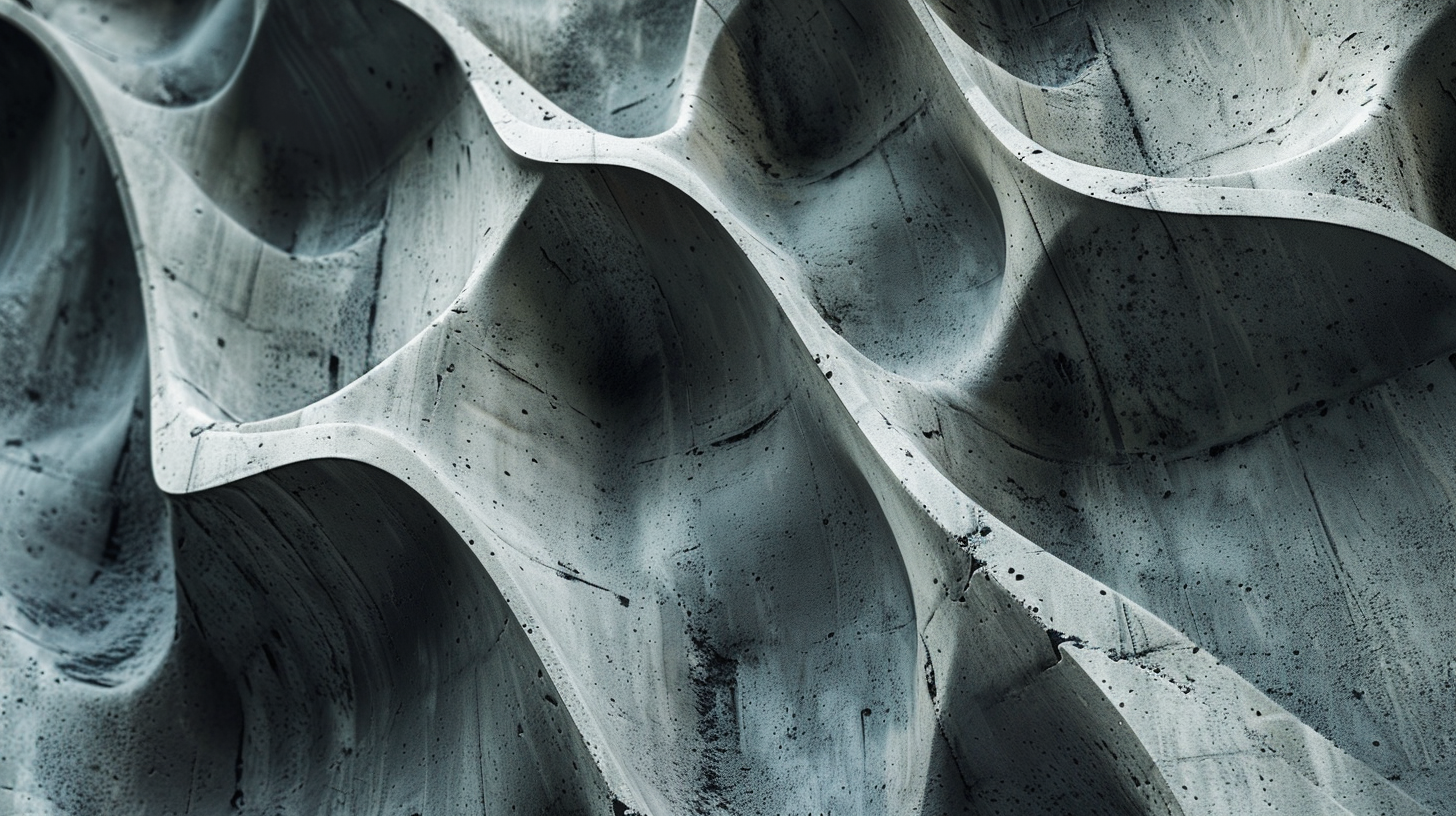
One practical example of biomimicry in urban design is the development of self-cleaning surfaces inspired by the lotus leaf, which repels water and dirt through its microstructure. This technology can be applied to buildings, reducing maintenance costs and the need for harmful cleaning chemicals. By integrating these biomimetic solutions, cities can become more sustainable and resilient, addressing critical environmental challenges while enhancing their inhabitants' quality of life.
As urban areas continue to expand, the demand for resources and the impact on the environment will only increase. Biomimicry offers a pathway to developing urban infrastructures that are not only efficient and resilient but also regenerative, contributing positively to the environment rather than depleting it. By learning from and emulating the natural world, cities can reduce their carbon footprint, improve resource management, and create healthier, more liveable environments for future generations.