More-than-human Rights

In the dynamic landscape of urban development, one of the most pressing issues is the need for inclusive spaces that cater not just to human inhabitants but also to the myriad forms of non-human life that share our cities. More-than-human rights, an emerging framework in urban planning, address this very challenge. This concept encompasses the legal and ethical recognition of the rights of animals, plants, and ecosystems, ensuring they are integrated into the urban fabric rather than being sidelined.
More-than-human rights operate on the principle that cities are ecosystems where every living entity plays a vital role. By incorporating legal protections and urban design strategies that prioritise non-human life, cities can become more resilient, sustainable, and harmonious. These rights are not merely theoretical but are being codified into laws and policies in progressive urban areas worldwide. For instance, some cities are now enacting ordinances that protect natural habitats, mandate green spaces, and ensure that urban development does not infringe upon the natural environments necessary for wildlife.
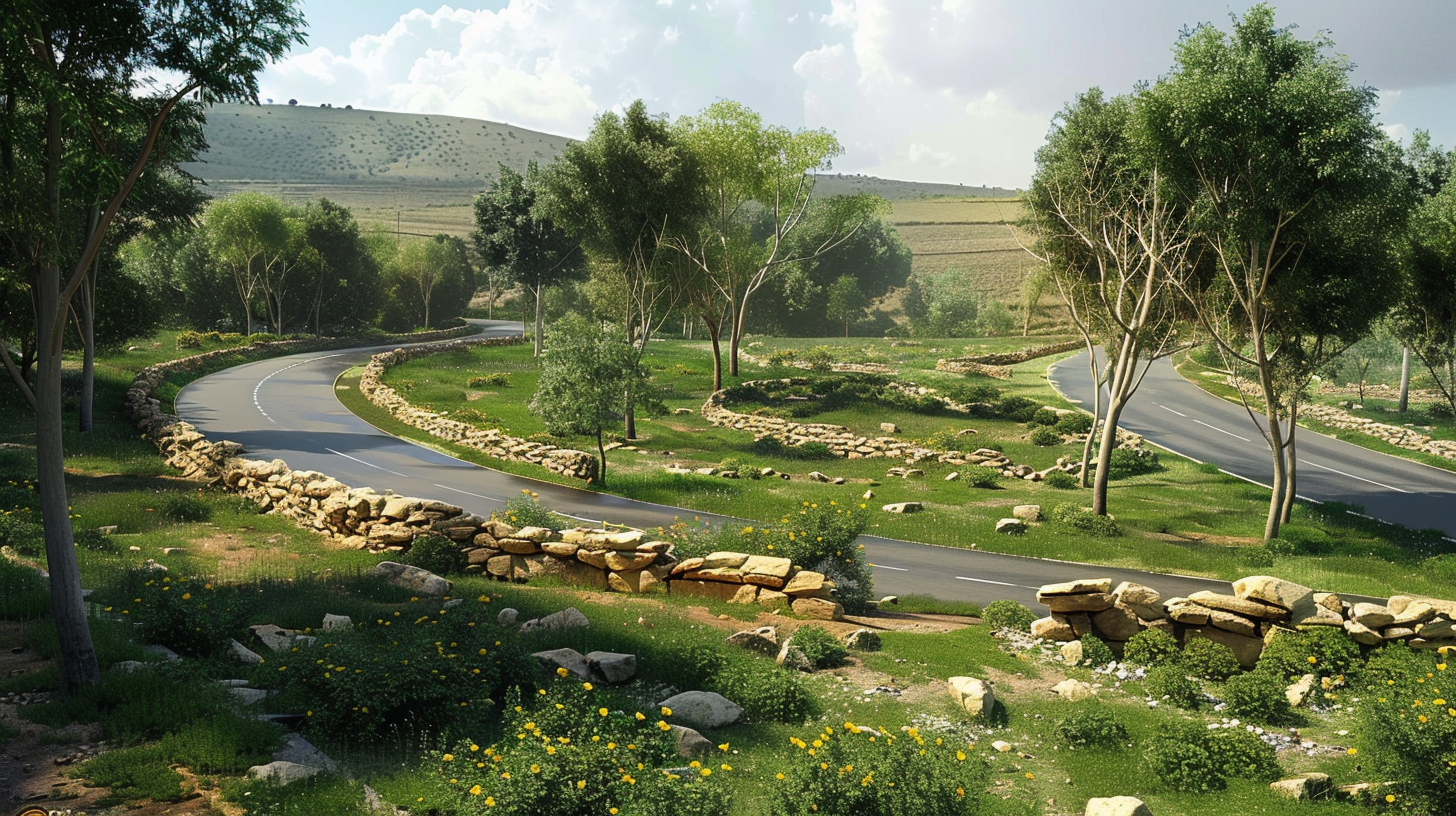
The practical implementation of more-than-human rights involves various innovative approaches. One such method is creating wildlife corridors, designated areas that allow animals to traverse urban spaces safely. Additionally, integrating green roofs and walls can provide habitats for birds and insects, while urban wetlands can help manage stormwater and support aquatic life. These measures not only protect biodiversity but also enhance the quality of life for human residents by creating greener, healthier environments.
As urban populations continue to grow, the pressure on natural ecosystems intensifies, leading to biodiversity loss and environmental degradation. By embracing this inclusive framework, cities can mitigate these impacts, fostering environments where human and non-human life coexist and thrive. This holistic approach not only supports ecological balance but also contributes to urban dwellers' well-being and mental health by providing them access to nature.