Decentralised Energy Grid
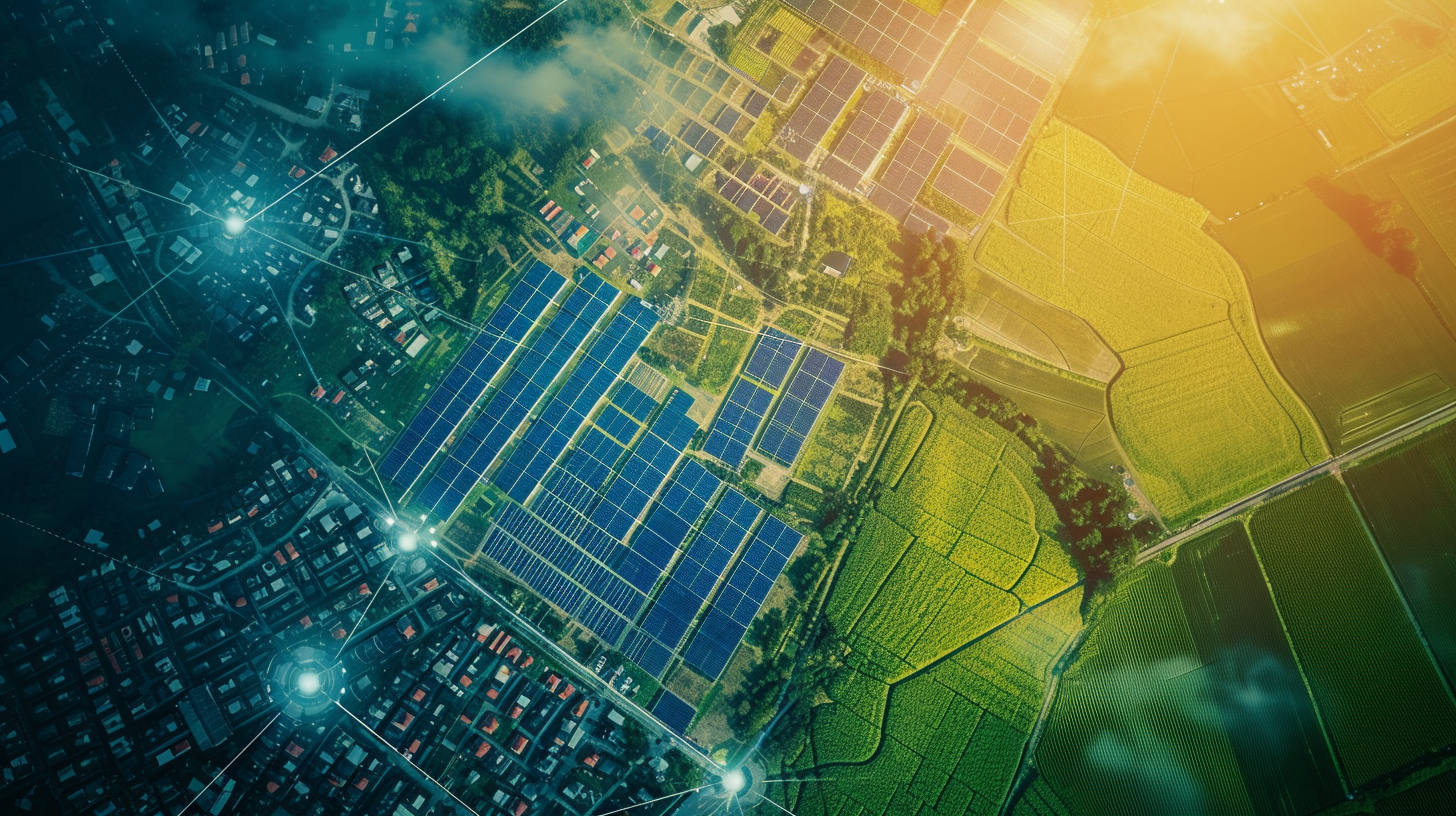
The increasing demand for energy, coupled with the environmental impacts of traditional power sources, presents a significant challenge for urban areas. Also known as a distributed energy system, a decentralized energy grid addresses this issue by providing a more resilient, efficient, and sustainable energy solution. This innovative system disperses energy production across multiple smaller sources rather than relying on a centralised power plant, thereby mitigating the risk of widespread outages and reducing transmission losses.
A decentralised energy grid consists of numerous localised energy producers, such as solar panels, wind turbines, and small-scale bioenergy plants, integrated into the urban infrastructure. These producers generate electricity close to the point of use, which is then distributed through a network of smart grids. The smart grid utilises advanced technologies like IoT sensors, automated control systems, and AI-driven analytics to manage and balance energy supply and demand dynamically. This approach ensures optimal energy distribution, enhances grid stability, and facilitates the integration of renewable energy sources.
The operation of a distributed energy system is underpinned by a combination of generation, storage, and management technologies. For example, residential solar panels can produce electricity during the day, which can be stored in local battery systems for use during peak hours or nighttime. Additionally, smart meters and home energy management systems enable consumers to monitor and adjust their energy usage in real-time, contributing to a more balanced and efficient grid. The interconnected nature of these systems allows for peer-to-peer energy trading, where surplus energy can be sold to neighbours or back to the grid, fostering a more collaborative energy ecosystem.
As urban areas continue to grow, the need for reliable and sustainable energy sources becomes ever more critical. Distributed energy systems not only enhance energy security by reducing dependency on centralised power plants but also promote environmental sustainability by integrating more renewable energy sources. Furthermore, they offer economic benefits by creating local jobs in the installation, maintenance, and operation of these systems.