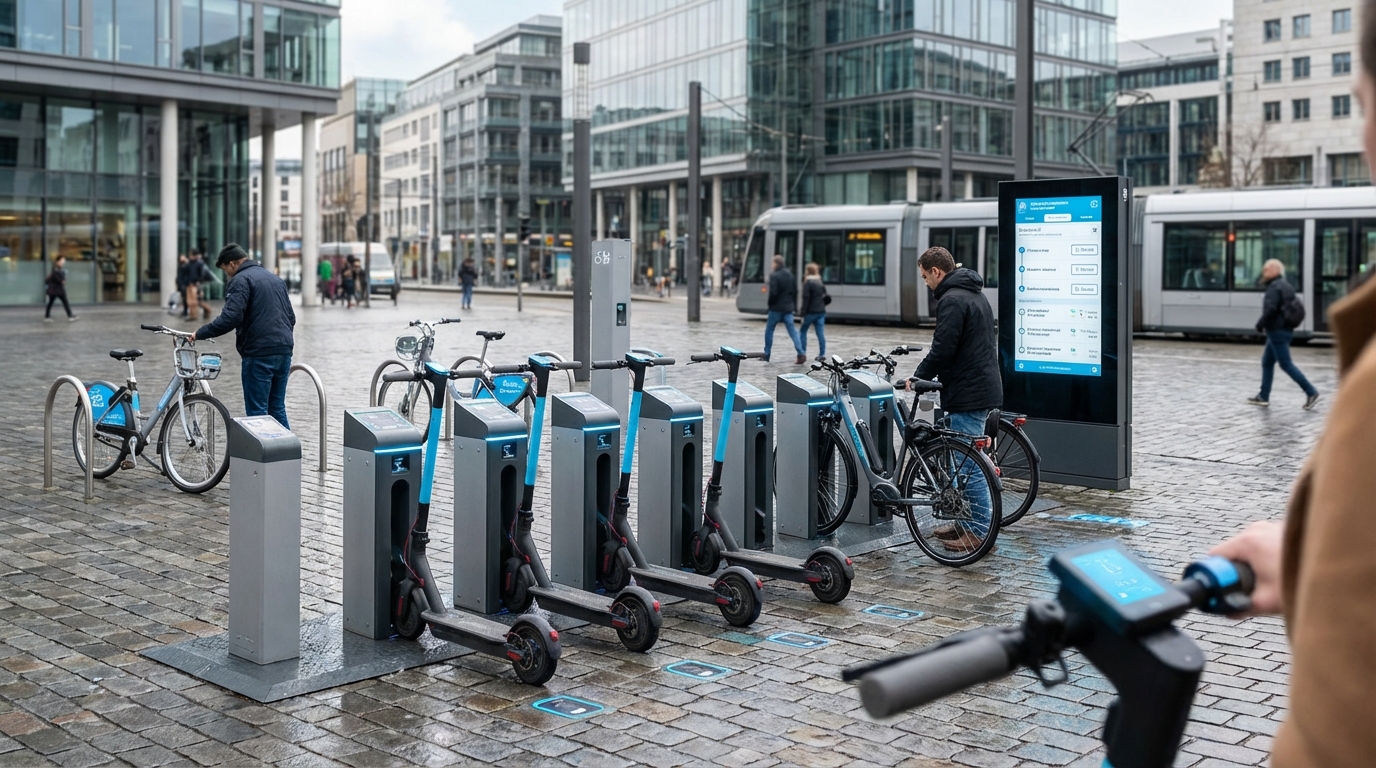
Micromobility, a term that encompasses small, lightweight vehicles typically operating at speeds below 25 km/h, is reshaping the future of urban transportation and logistics. This solution effectively tackles the pressing issues of traffic congestion, pollution, and the growing demand for efficient, sustainable last-mile delivery in cities. As urban populations increase and traditional infrastructure strains under pressure, the need for more adaptable, eco-friendly transit and delivery options becomes crucial. Micro-mobility offers a viable answer to these challenges by providing alternatives that can seamlessly integrate into the existing urban fabric, reducing reliance on cars and alleviating the strain on public transportation networks.
At its core, micromobility covers a variety of vehicles, such as e-scooters, e-bikes, shared bicycles, and mini delivery trolleys. These vehicles are typically electric-powered or human-propelled, making them both environmentally friendly and cost-effective. Their small size and agility allow them to navigate crowded urban environments with ease, bypassing traffic jams and offering a more direct route to destinations. Micromobility solutions often work in tandem with digital platforms, which allow users to locate, unlock, and pay for the vehicles via smartphone apps. This seamless integration of technology and transport not only enhances user convenience but also enables cities to gather valuable data on movement patterns, which can be used to improve urban planning and infrastructure.
As more people choose these compact vehicles over traditional cars, cities could see a significant reduction in carbon emissions, lower noise pollution levels, and less demand for expansive parking infrastructure. Moreover, micromobility supports the development of 15-minute cities, where residents can access most of their daily needs within a short walk or ride. By fostering more liveable, accessible urban spaces, this technology contributes to a broader vision of sustainable urban development, where human-centric design and environmental responsibility go hand in hand.
In addition, micromobility holds the potential to democratise access to transportation, particularly in areas where public transit options are limited. By providing an affordable and flexible mode of travel, it helps bridge the gap between different socioeconomic groups, ensuring that mobility is not a privilege but a right accessible to all. As cities continue to evolve and face new challenges, micromobility will play a crucial role in shaping more resilient, adaptable urban environments.