Rurbanisation
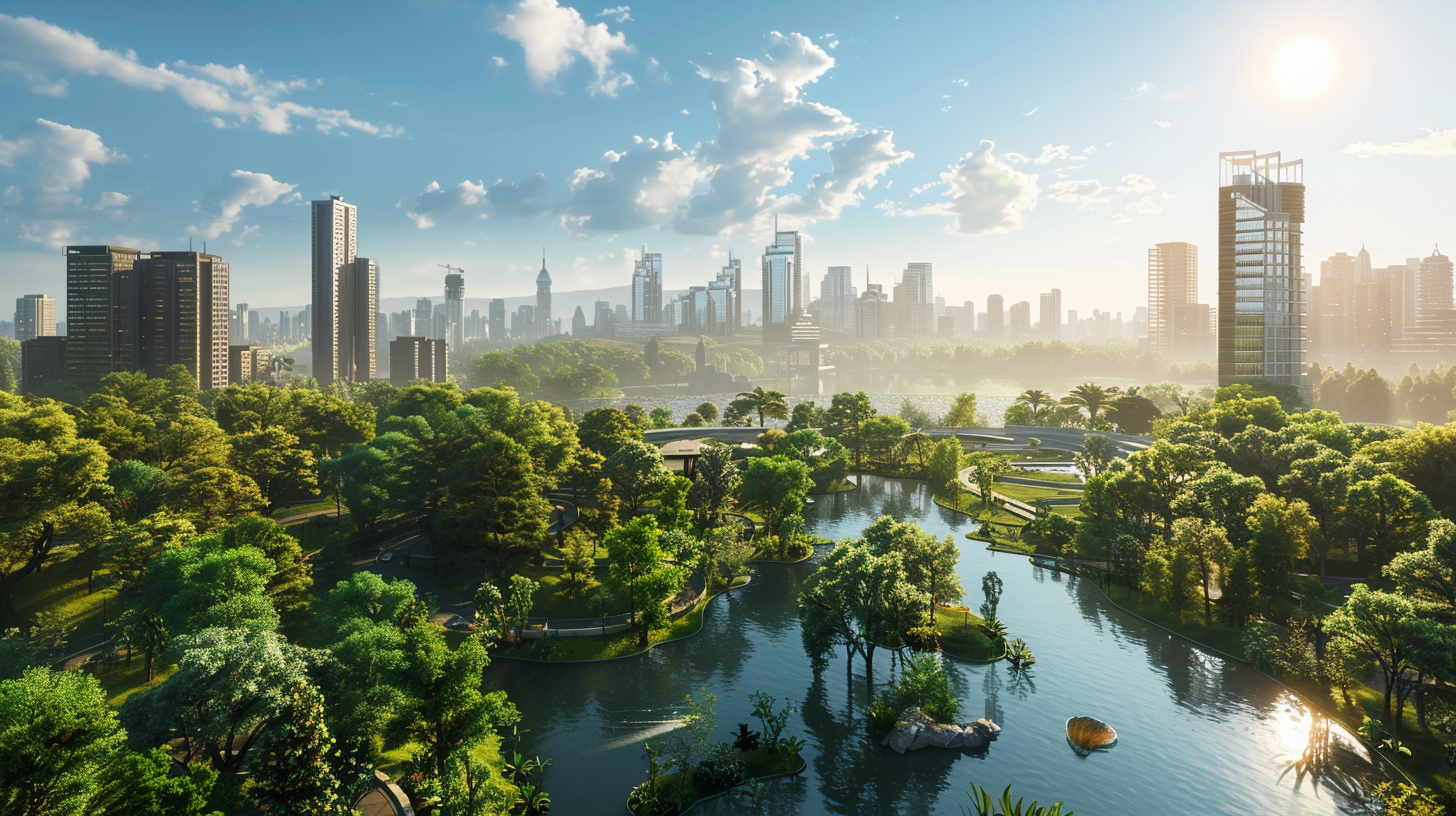
The growing challenges of urban congestion, environmental degradation, and social inequality have necessitated innovative solutions to reshape the future of our cities. Rurbanisation addresses these critical issues by fostering a harmonious blend of urban amenities and rural tranquillity. This concept not only mitigates the pressure on urban infrastructures but also revitalises rural areas, creating a balanced and sustainable living environment.
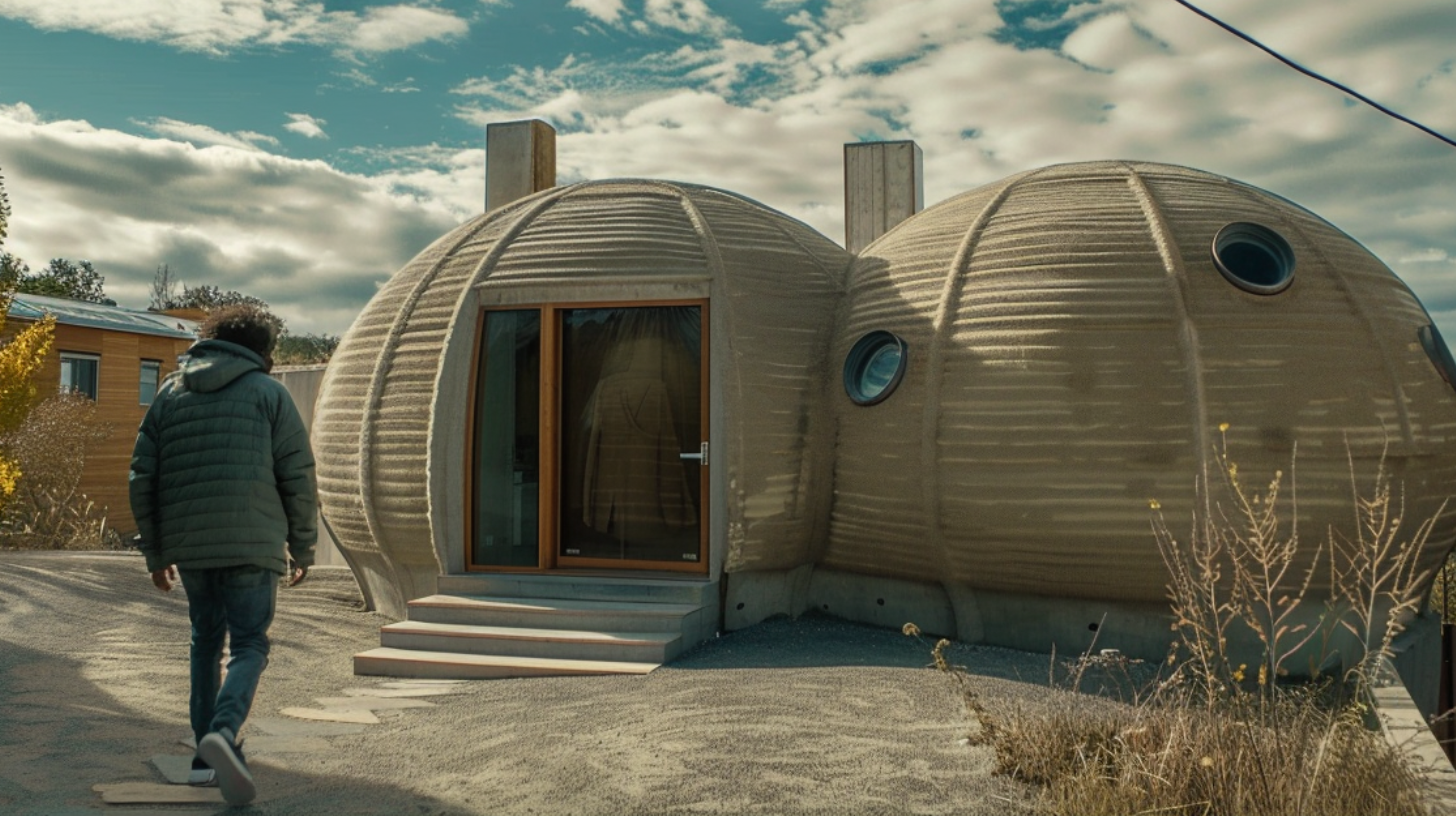
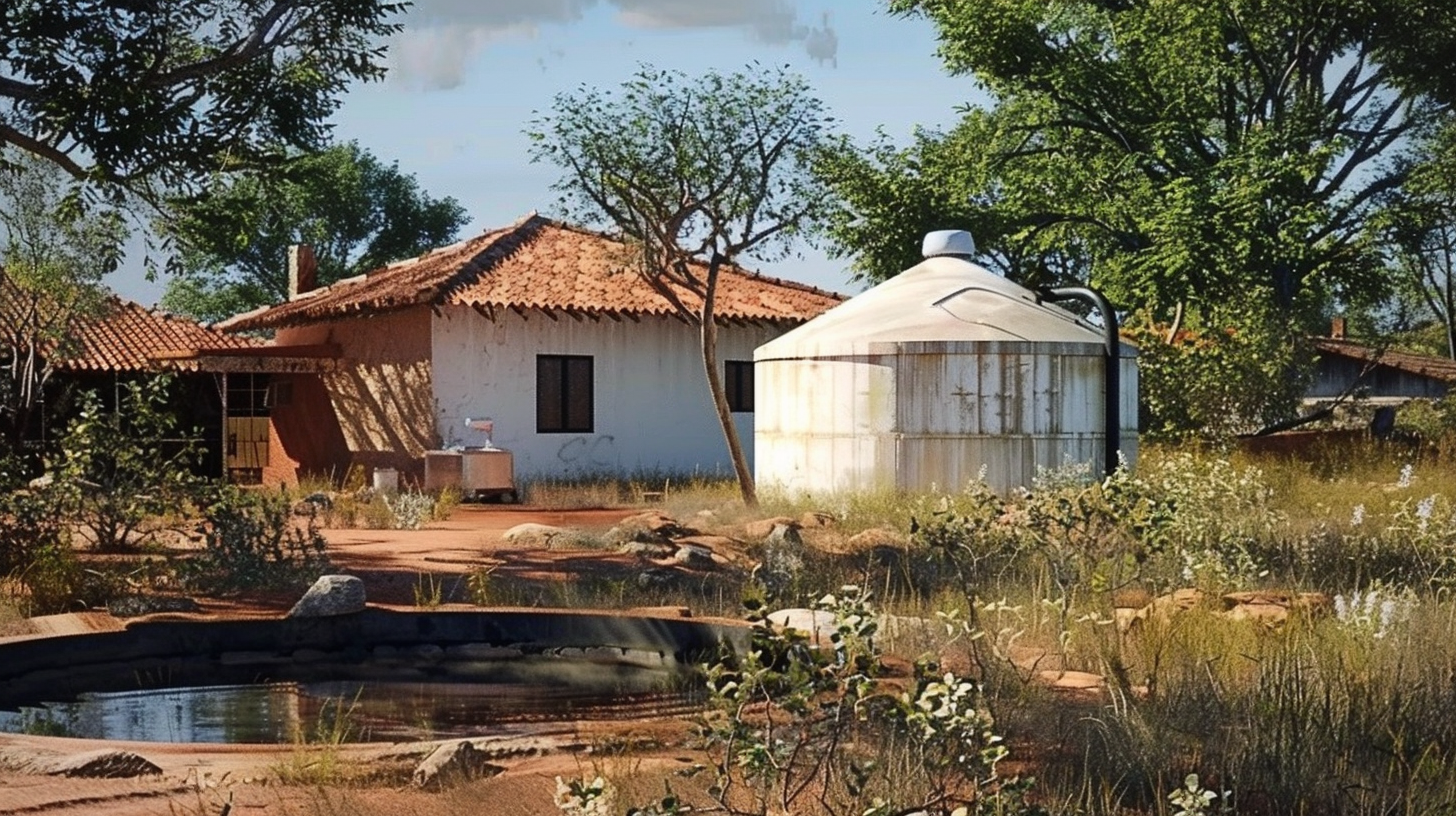
Rurbanisation aims to create self-sustaining communities that incorporate the best of both worlds—urban and rural. It involves developing infrastructure and services typically found in cities, such as high-speed internet, healthcare facilities, and educational institutions, within rural settings. This approach encourages people to settle in less populated areas without sacrificing the conveniences of urban life. By decentralising urban growth, rurbanisation alleviates congestion, reduces pollution, and promotes a higher quality of life.
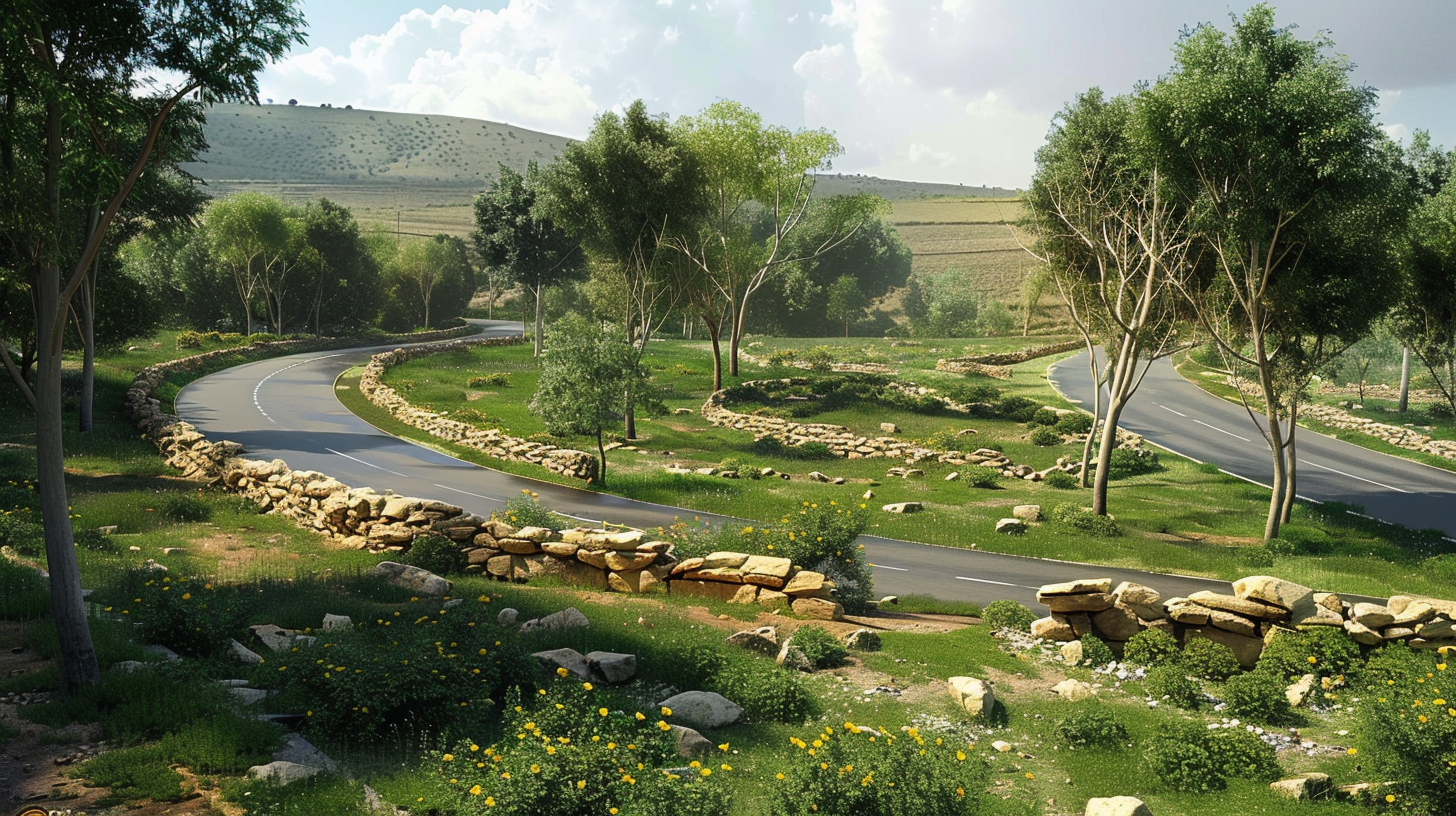
The mechanism behind rurbanisation is multifaceted. It begins with the strategic planning and development of rural areas, ensuring they are equipped with modern infrastructure and services. Governments and private entities collaborate to invest in transportation networks, renewable energy sources, and digital connectivity. These investments enable rural communities to become attractive alternatives to urban centres, supporting local economies and fostering job creation. Moreover, rurbanisation leverages smart technology and sustainable practices to create eco-friendly and efficient living spaces.
As urban populations continue to swell, the strain on housing, transportation, and public services becomes increasingly untenable. Rurbanisation offers a viable solution by redistributing population density and promoting balanced regional development. This not only enhances the livability of rural areas but also reduces the environmental footprint of urban centres. Additionally, it fosters social cohesion by bridging the gap between urban and rural lifestyles, creating inclusive communities where diverse cultures and traditions can thrive.