Digital-Analog Laboratory
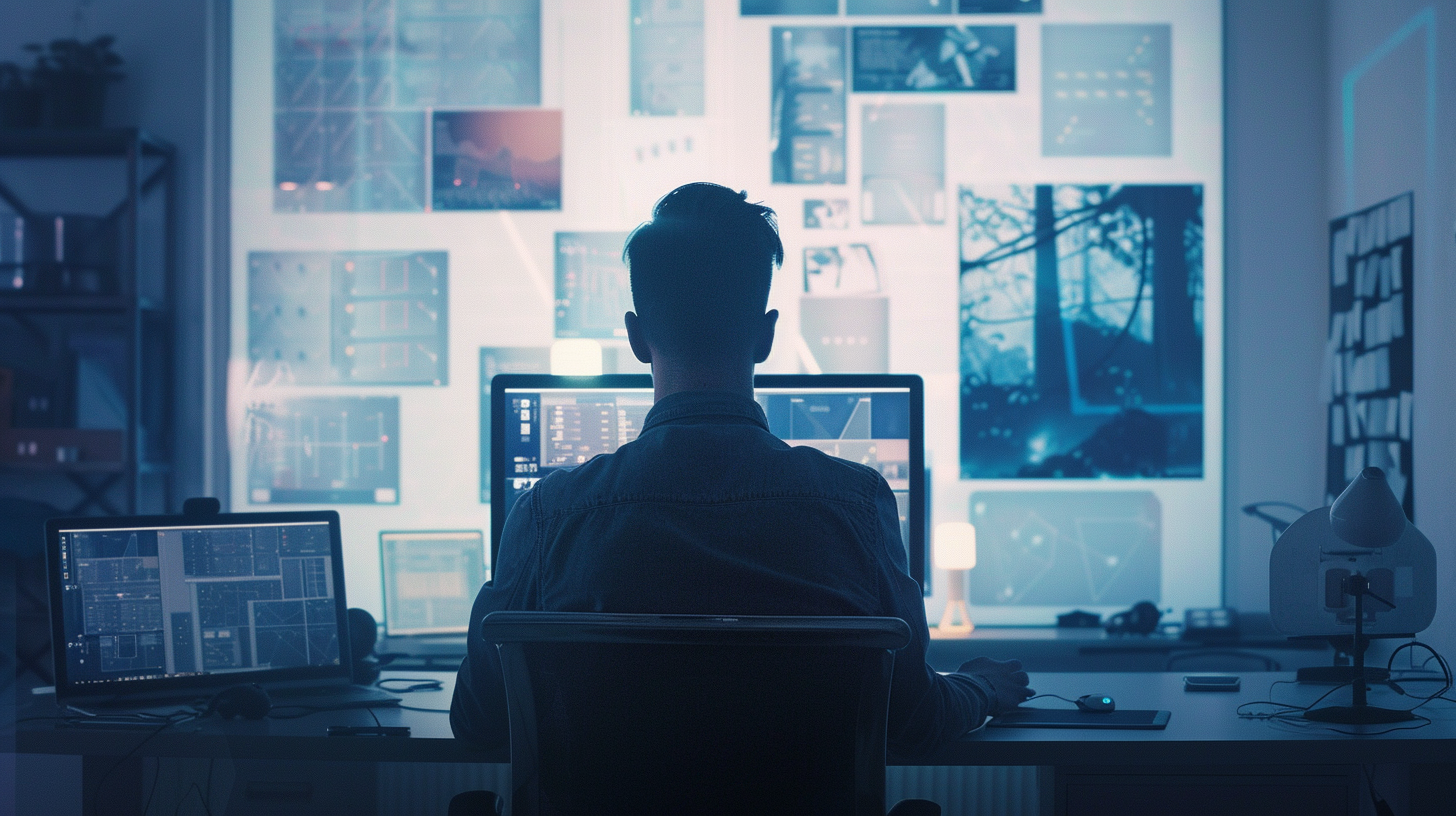
In an age where technological advancements rapidly outpace the media formats used to capture our memories, both individual and collective, the Digital-Analog Laboratory emerges as a critical solution. This innovative facility addresses the persistent problem of preserving content trapped in obsolete media formats, ensuring that invaluable historical and personal records are not lost to time.
A Digital-Analog Laboratory is essentially a hybrid archive and digital lab, meticulously designed to convert, store, and preserve various forms of outdated media. It leverages advanced digitisation techniques to transform physical media—such as tapes, films, older digital formats and even objects—into modern digital files. By doing so, it ensures the longevity and accessibility of these records, which might otherwise deteriorate or become unreadable. The process involves high-precision scanners and converters that carefully handle delicate materials, transforming them into high-resolution digital counterparts.
The functionality of this type of laboratory is pivotal for institutions like museums, libraries and private collections. Museums, for example, often hold extensive archives of audio-visual material, documents, and artefacts recorded in now-defunct formats. The Digital-Analog Laboratory not only digitises these records but also provides a sophisticated storage solution, organising and cataloguing digital files in a way that enhances their accessibility and usability. This greatly benefits curatorial work, allowing curators to quickly and efficiently access and integrate these digitised materials into exhibitions, research, and educational programmes. Additionally, it supports disaster recovery efforts by preserving critical records and enhancing the resilience of urban planning and cultural heritage preservation.
As urban areas evolve into smart cities, the ability to preserve and easily retrieve historical and cultural data becomes integral to maintaining a city’s identity and heritage. Furthermore, by facilitating the preservation of personal memories by making this facility available in public places such as libraries, Digital-Analog Laboratories contribute to the social fabric, offering individuals and families the chance to safeguard their own histories for future generations.