Pedestrian Zone
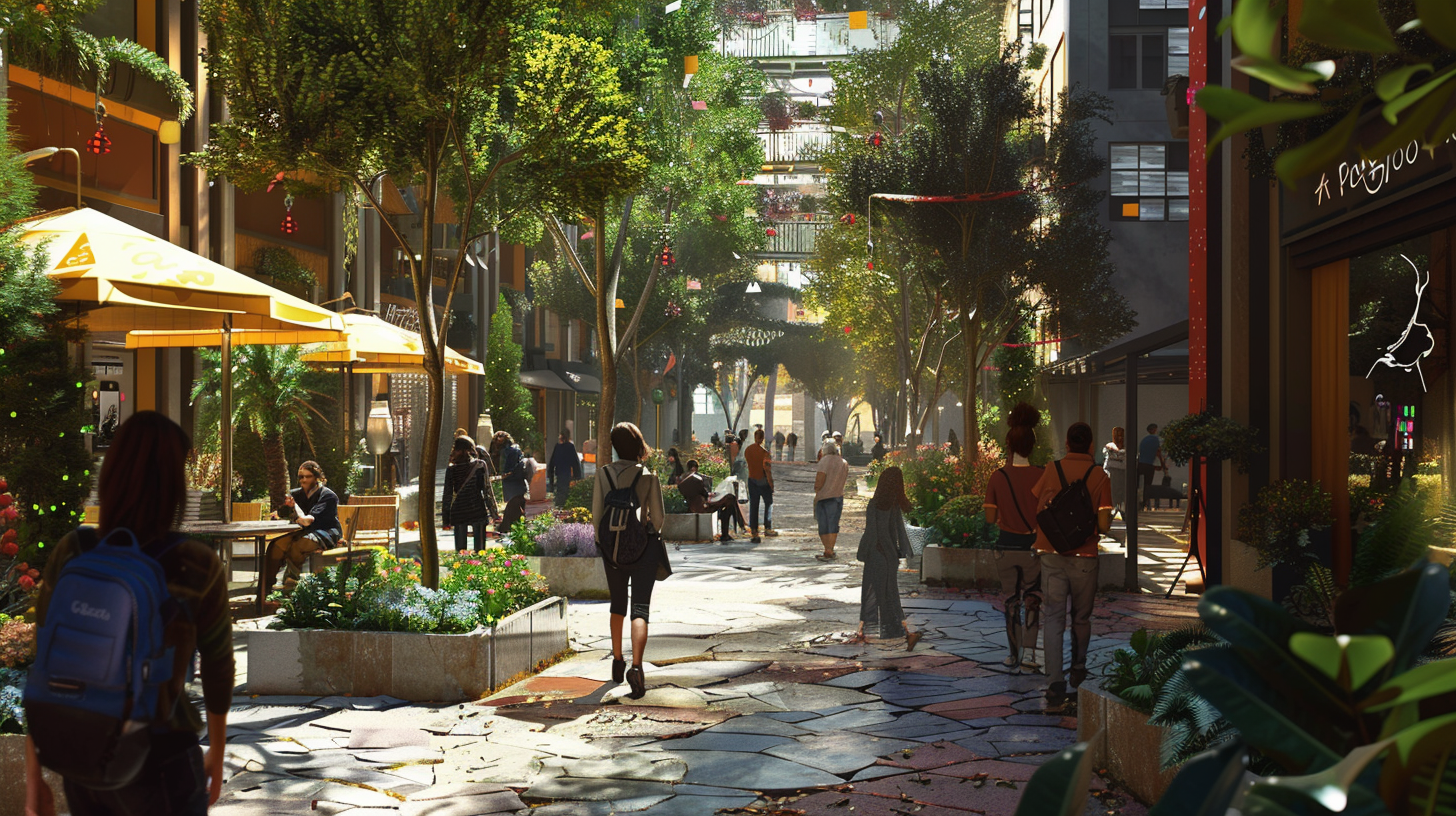
Urban congestion, pollution, and the decline of public spaces are significant challenges faced by modern cities. Pedestrian zones, also known as car-free zones or pedestrianised areas, offer a solution to these problems. By restricting or eliminating motor vehicle traffic in designated areas, pedestrian zones create safer, more vibrant, and environmentally friendly urban spaces.
A pedestrian zone is typically an area of a city where motorised traffic is prohibited or severely restricted, allowing only pedestrians, cyclists, and sometimes public transportation. These zones often encompass key commercial districts, historical areas, or other high-footfall regions. They are implemented through various methods such as street closures, the installation of physical barriers, and the redesign of urban landscapes to prioritise foot traffic. Advanced technologies like automated bollards and smart traffic management systems can dynamically control access, ensuring that only authorised vehicles, such as emergency services, can enter when necessary.
The primary function of pedestrian zones is to enhance urban liveability by reducing traffic congestion and improving air quality. By limiting vehicle access, these zones reduce noise and air pollution, creating healthier environments for residents and visitors. Additionally, pedestrian zones encourage walking and cycling, contributing to public health and reducing the reliance on fossil fuels. They also stimulate local economies by attracting shoppers and tourists, fostering a sense of community and enhancing the aesthetic appeal of city centres.
As urban populations continue to grow, the demand for sustainable and liveable urban environments will only increase. Pedestrian zones address several critical issues simultaneously: they mitigate the adverse effects of traffic congestion, promote environmental sustainability, and enhance public health and safety. Moreover, by prioritising people over vehicles, these zones help reclaim public spaces for social interaction, cultural activities, and leisure, ultimately fostering more connected and resilient communities.