Cloud-Connected Supply Chain
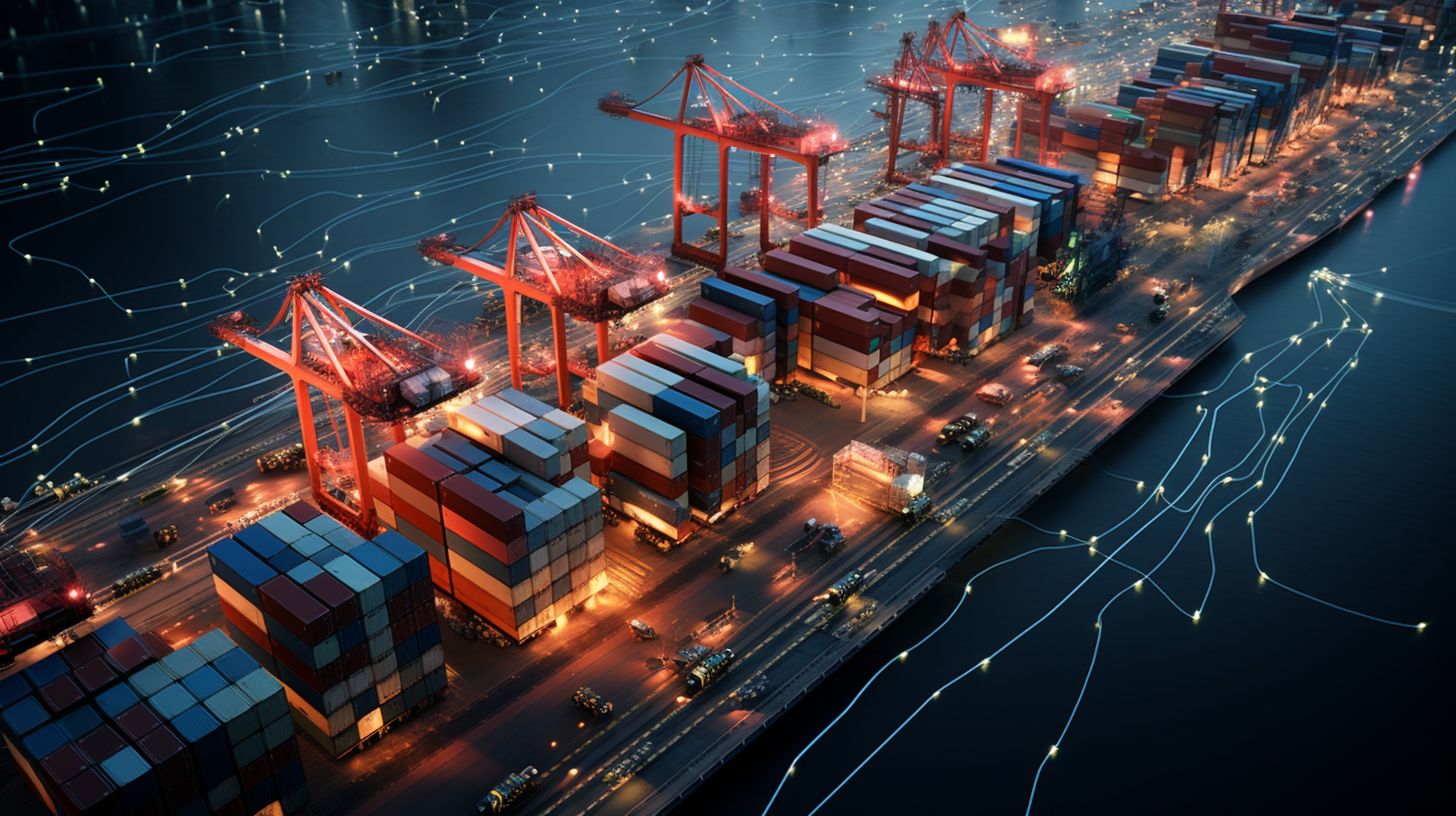
As urban populations swell and consumer demands rise, cities face mounting pressure to optimise their supply chains. Traditional supply chain models, often fragmented and inefficient, struggle to keep pace with the dynamic nature of modern urban logistics. These inefficiencies can lead to increased costs, delays, and even shortages of essential goods. Enter the cloud-connected supply chain, a solution that integrates advanced cloud computing technologies to revolutionise the way goods are managed and distributed in urban environments.
A cloud-connected supply chain leverages the power of cloud computing to create a unified, real-time network that connects all stakeholders involved in the supply chain process. This network includes manufacturers, suppliers, distributors, retailers, and customers. By utilising cloud-based platforms, these stakeholders can access and share information seamlessly, enhancing transparency and coordination. The technology employs data analytics, Internet of Things (IoT) devices, and machine learning algorithms to monitor and predict supply chain activities, ensuring optimal efficiency and responsiveness.
The core functionality of a cloud-connected supply chain lies in its ability to provide real-time visibility and data-driven decision-making. IoT sensors and devices collect data on inventory levels, transportation conditions, and demand fluctuations, transmitting this information to a centralised cloud platform. Advanced analytics then process this data, offering actionable insights to stakeholders. For instance, if a sudden spike in demand for a particular product is detected, the system can automatically adjust inventory levels and reroute shipments to prevent stockouts. This predictive capability reduces waste, lowers costs, and improves the overall resilience of the supply chain.
As urban centres grow, the need for efficient, responsive, and sustainable supply chains becomes critical. This technology not only enhances the reliability of goods delivery but also supports environmental sustainability by optimising routes and reducing unnecessary transportation. Furthermore, the increased transparency and coordination fostered by cloud-connected systems can mitigate the risks of disruptions, such as those caused by natural disasters or global pandemics, ensuring that urban populations have continuous access to essential goods and services.