Self-driving Bus
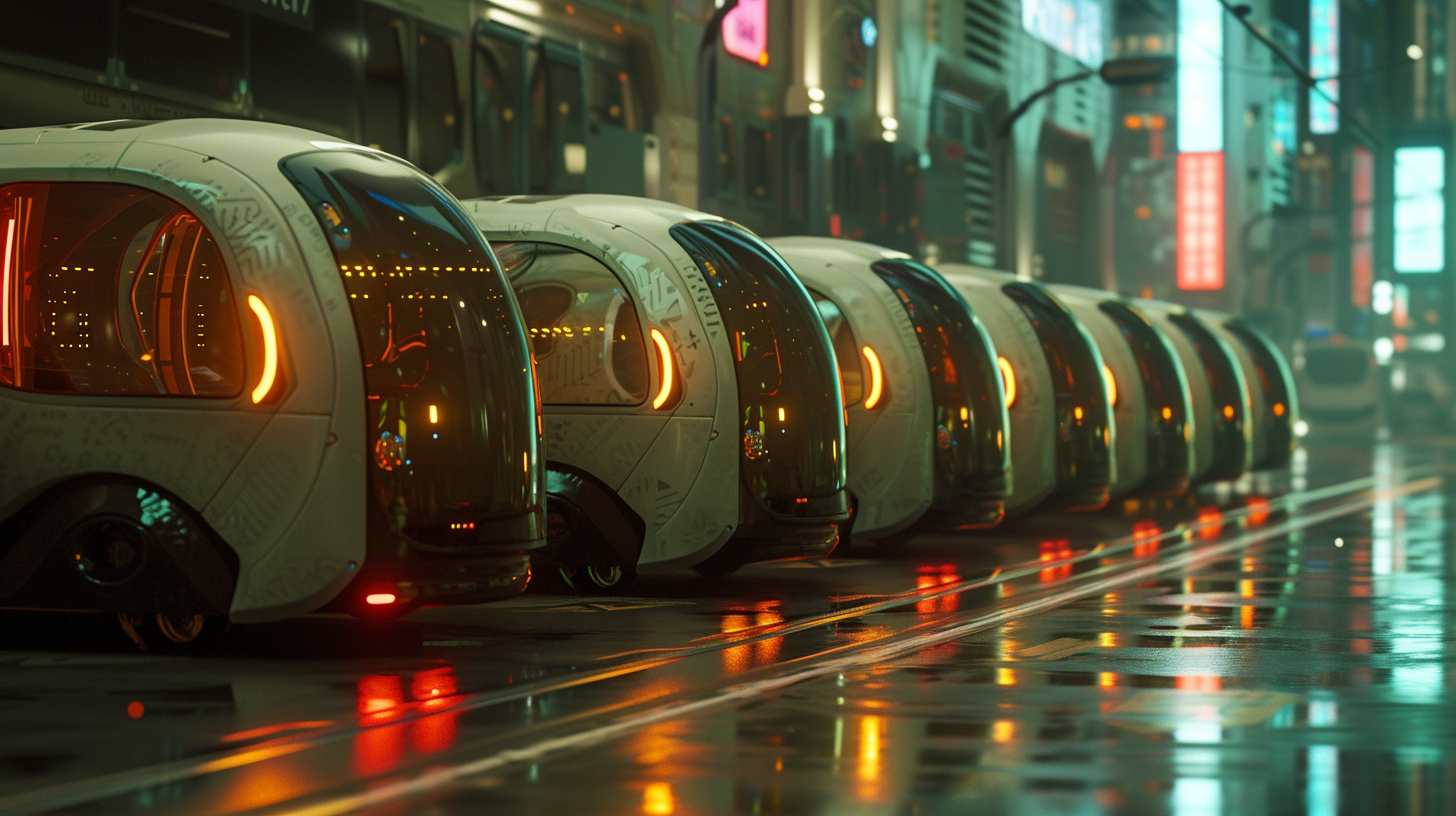
Urban areas worldwide grapple with the challenges of traffic congestion and air pollution. Traditional public transport systems, though essential, often struggle with inefficiencies that exacerbate these issues. Enter the self-driving bus, a technological solution set to revolutionise urban mobility by addressing these persistent problems.
Self-driving buses, also known as autonomous shuttles, leverage advanced artificial intelligence, sensor technologies, and machine learning to operate without human intervention. These vehicles are equipped with a combination of LiDAR, radar, cameras, and GPS to navigate complex urban environments safely. By continuously analysing and interpreting data from their surroundings, self-driving buses can make real-time decisions, such as adjusting speed, avoiding obstacles, and adhering to traffic signals, thereby ensuring a smooth and efficient ride for passengers.
The primary function of a self-driving bus is to provide a reliable, eco-friendly, and cost-effective alternative to conventional buses. Autonomous buses can follow optimised routes to minimise travel time and energy consumption. Moreover, they operate with electric powertrains, significantly reducing greenhouse gas emissions and noise pollution. This shift not only enhances air quality but also contributes to quieter, more liveable urban spaces. Additionally, these buses can run with higher frequency and flexibility, adapting to real-time passenger demand and reducing waiting times.
As urban populations continue to swell, the pressure on existing transport infrastructures will only intensify. Autonomous buses offer a scalable solution that can be integrated into current public transport systems to enhance capacity and efficiency. By reducing the reliance on private vehicles, they help alleviate traffic congestion and promote sustainable urban growth. Furthermore, self-driving buses can improve accessibility, providing reliable transport options for underserved areas and individuals with mobility challenges.