Urban Irrigation
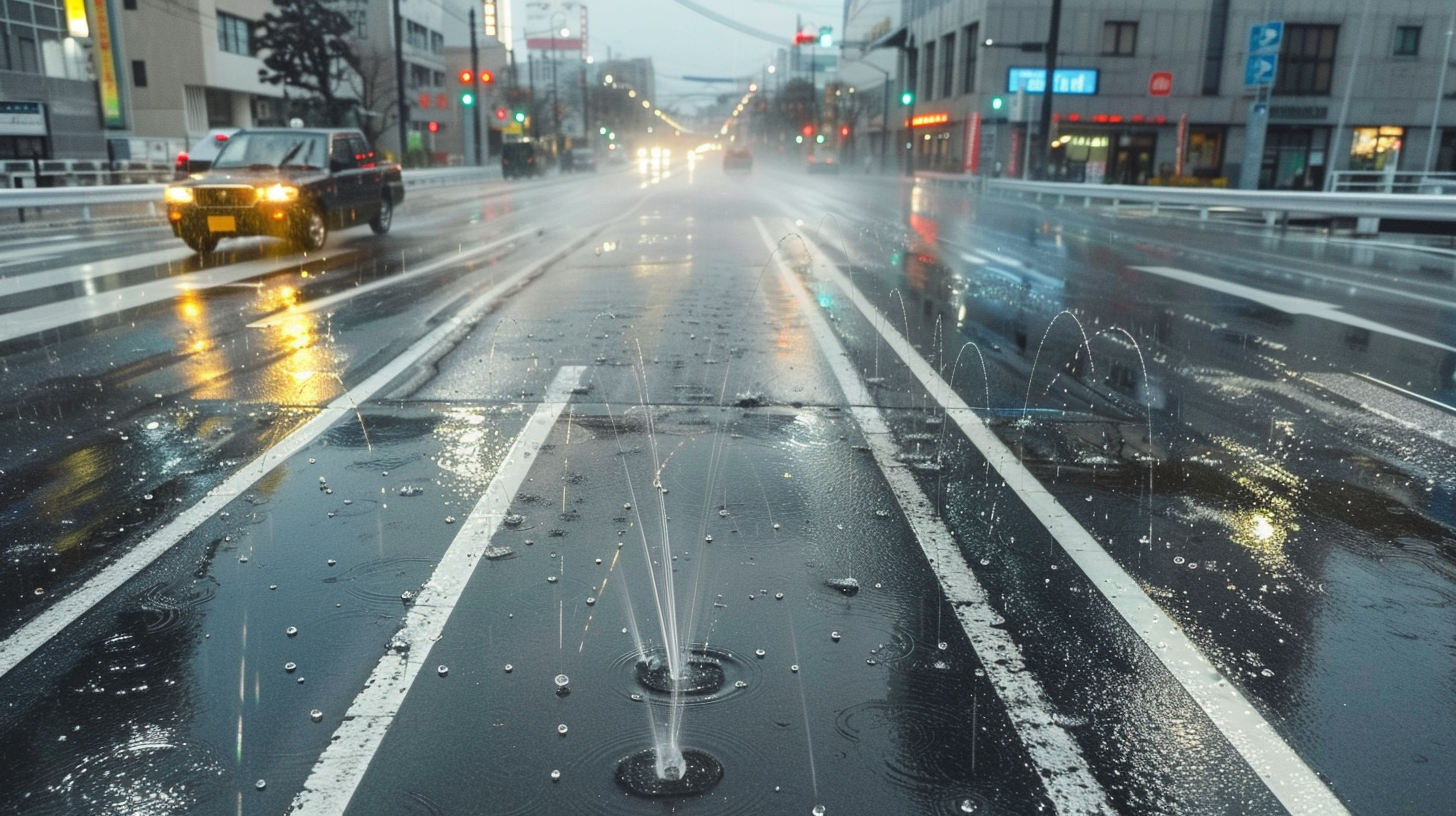
Urban irrigation is emerging as a solution to pressing urban challenges, such as urban heat islands, air quality, and flood management. Traditional irrigation systems have focused on maintaining green spaces, but modern urban irrigation expands this concept to include not only parks and gardens but also rooftops and even roads. This holistic approach to irrigation helps mitigate local temperatures, reduce dust, and enhance soil permeability, thereby preparing cities for better flood management.
Urban irrigation systems work by deploying an extensive network of sprinklers and drip systems across various urban surfaces. The technology integrates IoT, sensors, and cloud-based platforms to monitor and manage irrigation in real-time, ensuring efficient water use and maintaining healthy urban green spaces. On rooftops, these systems help create cooler microclimates by maintaining vegetation that absorbs heat, reducing the overall urban temperature. Sprinklers installed along roads not only keep dust levels down, enhancing air quality but also lower the temperature of asphalt surfaces, thereby contributing to cooler city environments. Furthermore, by keeping the soil consistently moist, these systems significantly improve its permeability, reducing the risk of flooding during heavy rains.
The integration of urban irrigation into city infrastructure is crucial for the future of urban living. Cities around the world are experiencing increased temperatures and more frequent and intense rainfalls due to climate change. By implementing urban irrigation systems, cities can become more resilient to these changes. The cooling effect of widespread irrigation can lower energy demands for air conditioning, thereby reducing the urban carbon footprint. Additionally, improved air quality through dust suppression enhances the overall health and well-being of city inhabitants.
Moreover, the ability of urban irrigation systems to prepare the soil for heavy rains is particularly important. By activating the irrigation system in advance of a storm, the soil can absorb more water, reducing surface runoff and the likelihood of flash floods. This proactive measure not only protects infrastructure but also preserves natural water cycles and reduces the burden on urban drainage systems.