Mycelium Brick
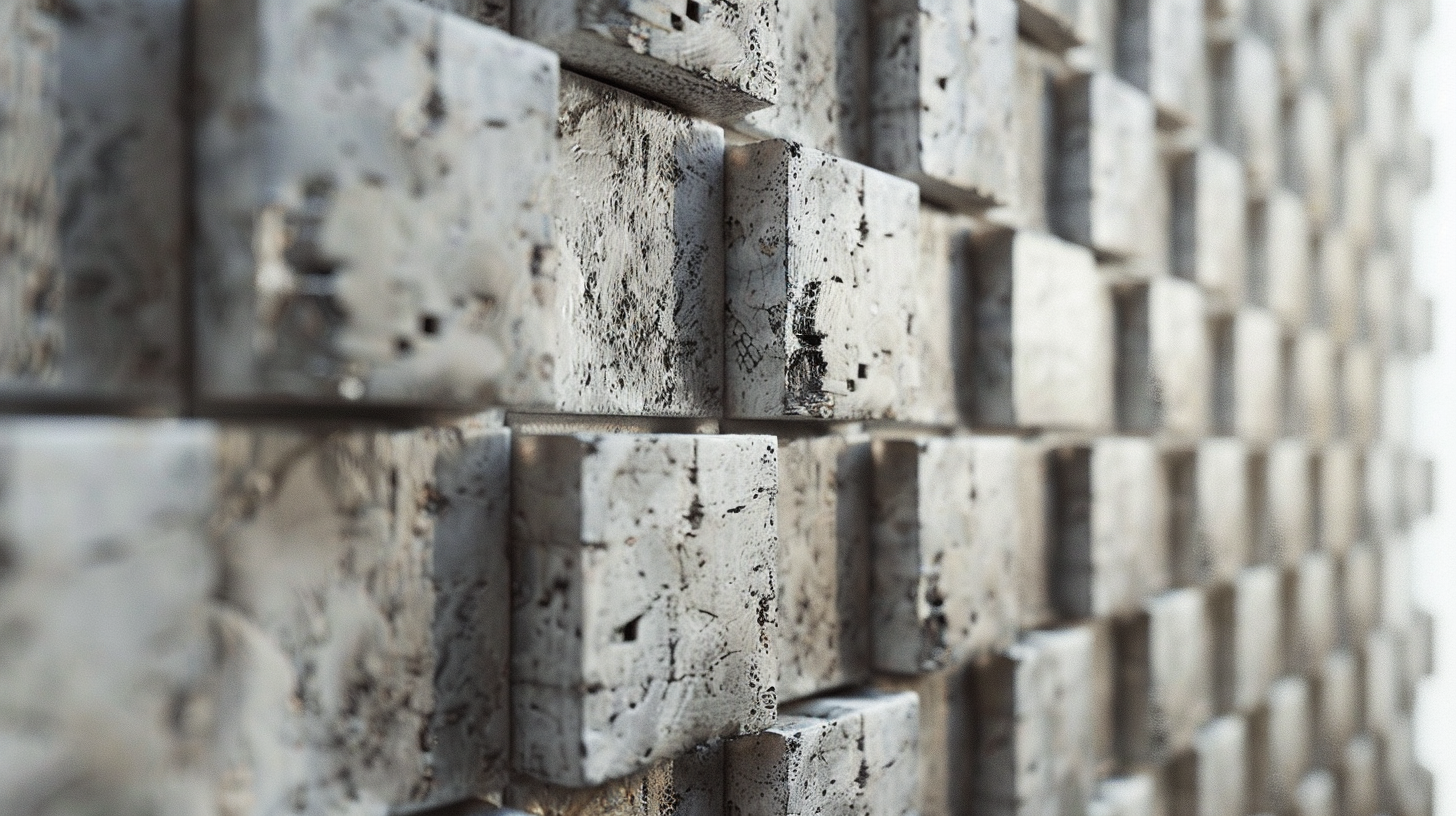
Urban construction faces a mounting challenge: how to build durable, affordable, and sustainable infrastructure without deepening the environmental damage caused by conventional materials such as concrete and steel. These traditional materials account for a significant share of global carbon emissions, rely on finite resources, and generate large amounts of waste. Mycelium brick, also known as fungal composite or mushroom brick, offers a regenerative alternative. Instead of being mined, fired, or poured, this material is grown—literally cultivated from the root network of fungi.
Mycelium, the vegetative structure of fungi, acts as a natural binder that can fuse agricultural by-products like sawdust, straw, or corn husks into solid forms. The process begins by inoculating a substrate with fungal spores, allowing the mycelium to grow and weave through the material. Once the desired density and shape are achieved, growth is halted through drying or heating, resulting in a lightweight, biodegradable, and fire-resistant composite. These fungal bricks can be moulded into various shapes without the need for energy-intensive kilns, significantly reducing production emissions and costs.
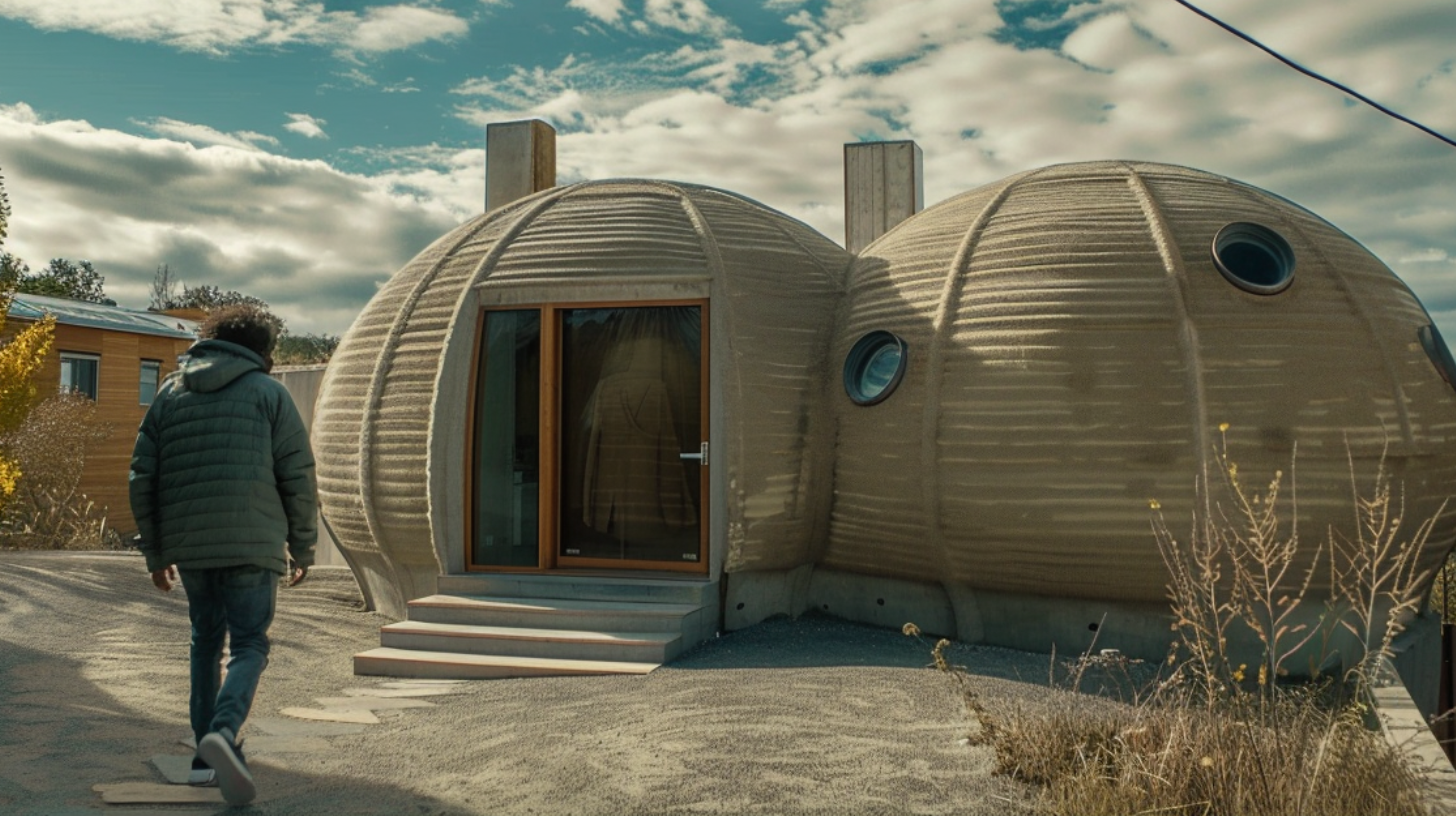
In urban contexts, mycelium-based construction materials could transform how cities grow and repair themselves. Beyond walls and insulation panels, such biofabricated elements could be used in temporary shelters, green infrastructure, and even as self-composting construction systems. Their low weight and modular nature make them ideal for prefabricated and decentralised building methods, an approach that could reduce waste, transport emissions, and the dependency on centralised production chains.
The promise of mycelium brick lies not only in its material properties but also in its philosophy of building in sync with living systems. As cities move toward circular and regenerative design, bio-based materials such as mycelium composites challenge the notion of permanence in architecture and offer new paradigms for urban metabolism, where growth, decay, and renewal become integral to the built environment’s life cycle.