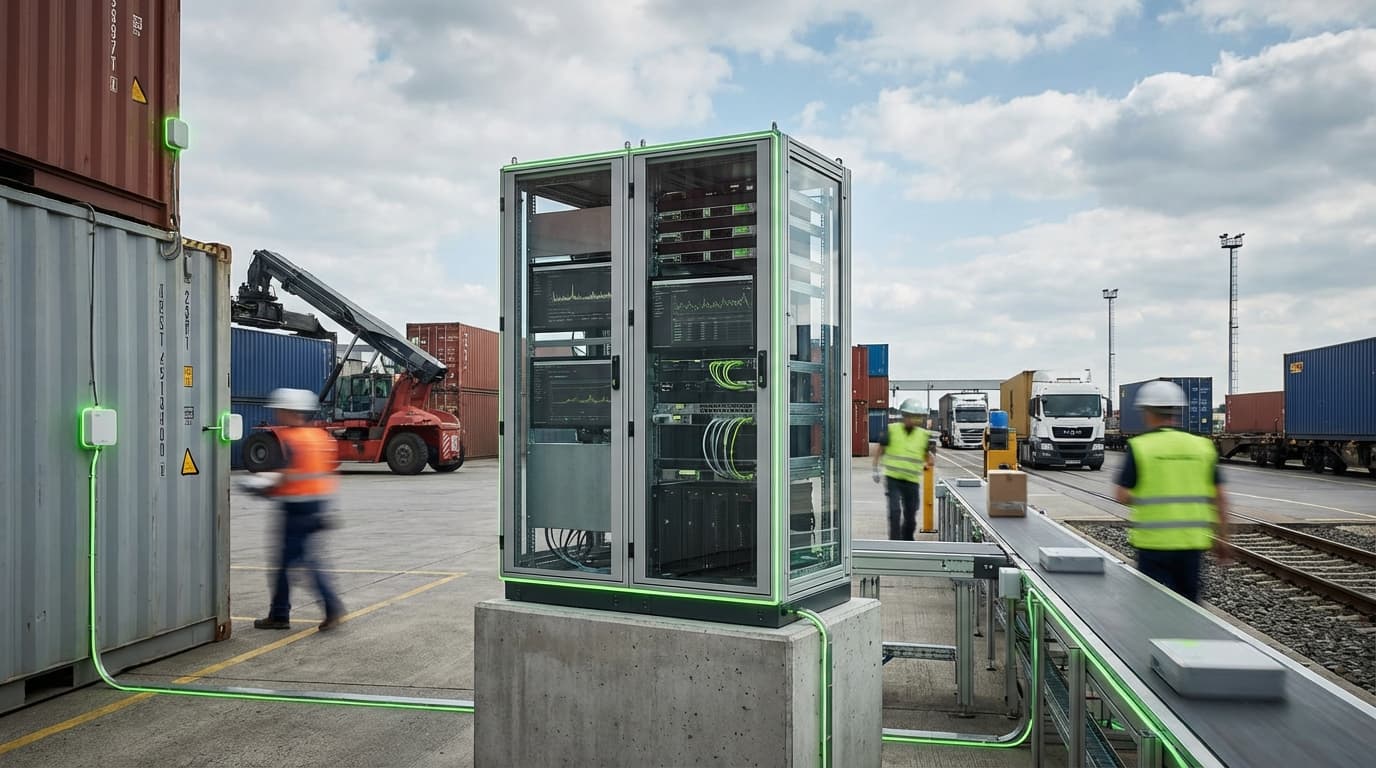
Carbon Accounting Platforms
New carbon-accounting platforms plug directly into ERP, procurement, IoT meters, and logistics systems to map Scope 1–3 emissions in near real time. They ingest utility bills, fuel purchases, supplier spend, and even product-level bills of materials, applying emissions factors or requesting primary data via supplier portals. Built-in controls handle CSRD, SEC, and ISSB disclosure formats, generate audit-ready trails, and simulate how efficiency projects, PPAs, or material swaps affect targets.
Enterprises use these tools to design abatement roadmaps, embed carbon costs into budgeting, and issue sustainability-linked loans with automated KPI tracking. Procurement teams can send surveys or APIs to suppliers, benchmark them, and co-develop reductions. SMEs access simplified workflows and financed services, democratizing access to credible accounting. Integration with carbon marketplaces, offsets, and internal carbon pricing allows seamless execution once reduction opportunities are identified.
Although TRL 7, challenges remain around data quality, supplier engagement, and assurance. Regulators and investors demand independent verification, pushing platforms to partner with audit firms and adopt open data schemas (WBCSD PACT, OpenFootprint). As supply-chain pressure mounts and digital product passports emerge, next-gen accounting will shift from compliance overhead to a strategic operating system for decarbonization.
Related Organizations

Provides a SaaS platform for climate management and accounting, specifically targeting financial institutions and private equity for financed emissions.

An enterprise climate platform that measures, reports, and reduces emissions, known for high-fidelity data ingestion.
United Kingdom · Startup
Specializes in tracking carbon emissions for commodity supply chains like metals, mining, and energy trading.

A European platform helping large enterprises map their carbon footprint across supply chains and manage reduction initiatives.
France · Startup
Democratizes carbon accounting for SMEs by integrating with banking and accounting software to automate footprinting.
Germany · Startup
A Berlin-based corporate carbon accounting and ESG management software provider.
A global leader in CRM that recently launched Agentforce to deploy autonomous agents across the enterprise.
Enterprise software giant providing data analytics solutions to esports teams like Team Liquid.
United States · Startup
Focuses on decarbonization intelligence, helping heavy industries (steel, transportation) model marginal abatement cost curves.
Supporting Evidence
Research this in Signals
Signals turns a topic into a sourced research record you can inspect and rerun. Your first scan is free, and this one starts with Carbon Accounting Platforms already loaded, so edit it or scan as is.