Carbon Accounting & Verification Layers
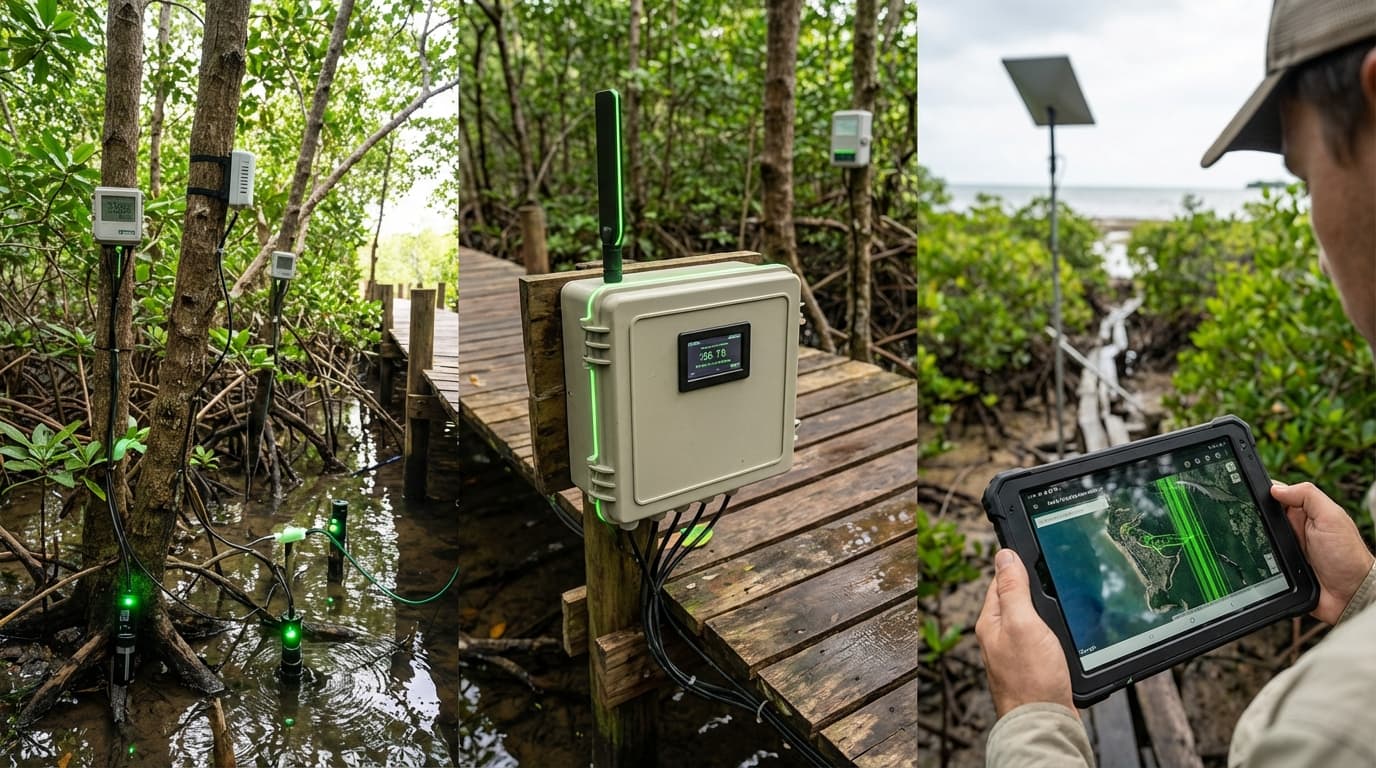
Measurement, reporting, and verification (MRV) stacks now blend ERP data, IoT sensors, drone imagery, and satellite feeds to validate carbon projects and corporate decarbonization claims. Secure data lakes log every measurement with cryptographic signatures, while AI checks for anomalies and double-counting. Smart contracts or tamper-proof registries record chain of custody for offsets, renewable energy certificates, and carbon removal credits, enabling auditors to trace each tonne from issuance to retirement.
Developers of reforestation, soil carbon, or industrial projects deploy sensor kits and edge devices that stream flux data, while fintech marketplaces integrate MRV APIs to vet credits before listing. Corporations link MRV layers with carbon accounting platforms to prove compliance with CSRD, SEC, or CBAM rules. Governments use the same infrastructure for national greenhouse gas inventories, reducing manual compilation.
The technology is TRL 6: data interoperability, privacy, and standardization remain challenges. Initiatives like the Integrity Council for the Voluntary Carbon Market, Puro.earth, and Climate Action Data Trust are converging on digital MRV protocols. As regulations demand audit-ready evidence and buyers insist on high-quality credits, automated verification layers will be foundational to trustworthy carbon markets.
Related Organizations

A standards body that certifies carbon emission reduction projects to ensure environmental integrity.

Uses satellite imagery, remote sensing, and AI to validate and monitor forest carbon projects, creating digital representations of forest carbon stocks.

Provides independent carbon ratings using machine learning and lidar data to assess the quality and permanence of nature-based offset projects.
The organization that manages the Verified Carbon Standard (VCS), the world's most widely used voluntary GHG program.

An enterprise climate platform that measures, reports, and reduces emissions, known for high-fidelity data ingestion.
UK · Startup
Global ratings agency for the voluntary carbon market, assessing the quality of carbon credits.

Specializes in high-resolution remote sensing of greenhouse gas emissions from space.

Environmental intelligence company using satellite imagery and AI.

Provides a SaaS platform for climate management and accounting, specifically targeting financial institutions and private equity for financed emissions.

Coalition using satellite imagery and AI to pinpoint greenhouse gas emissions sources globally and publish the data for free.

A European platform helping large enterprises map their carbon footprint across supply chains and manage reduction initiatives.

Blockchain-enabled carbon credit platform aiming to bring transparency and liquidity to the voluntary carbon market.
Supporting Evidence
Research this in Signals
Signals turns a topic into a sourced research record you can inspect and rerun. Your first scan is free, and this one starts with Carbon Accounting & Verification Layers already loaded, so edit it or scan as is.