



Off-Planet Tourism: Getting to Space
This page is a narrower case of it.
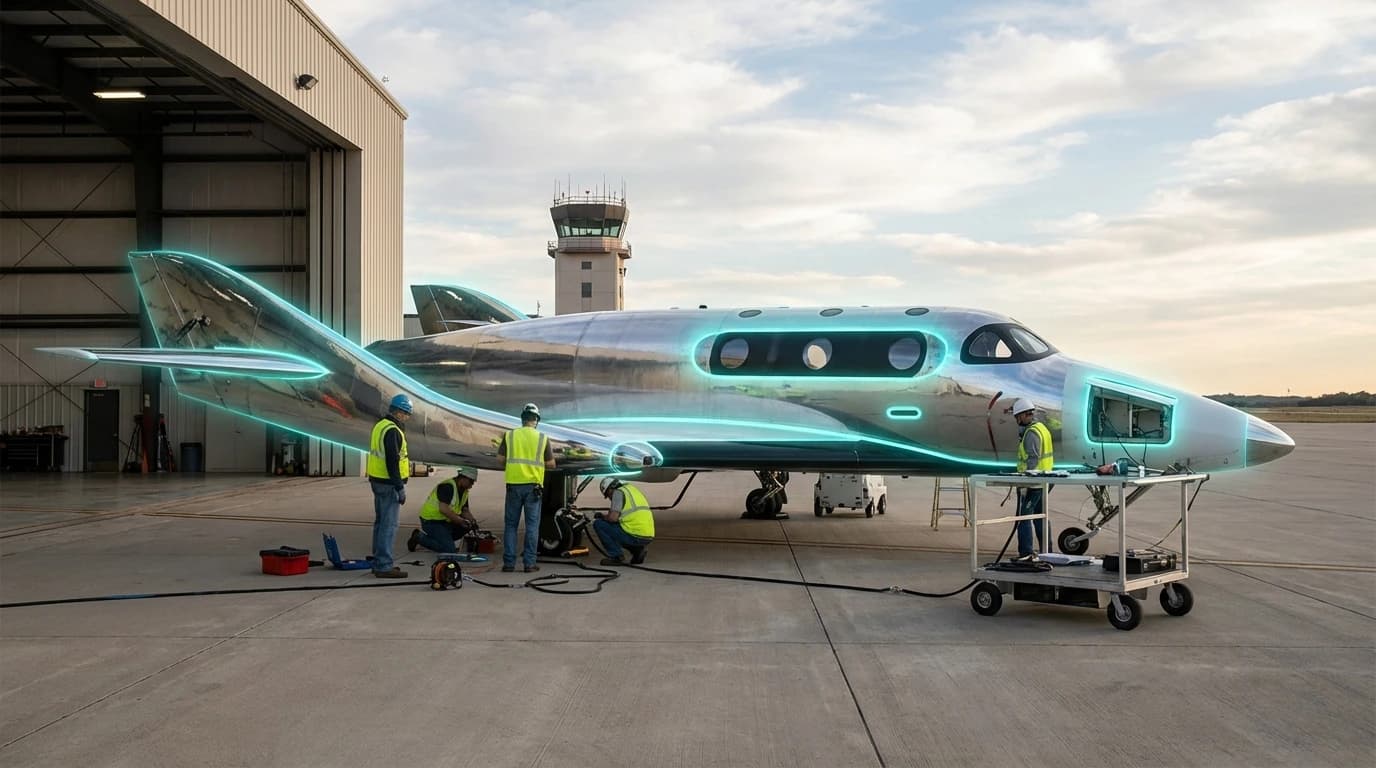
Suborbital space tourism represents a new category of commercial spaceflight that transports paying passengers to altitudes approaching or exceeding the Kármán line—the internationally recognised boundary of space at 100 kilometres above sea level. Unlike orbital missions that require spacecraft to achieve the velocity necessary to circle Earth, suborbital flights follow a parabolic trajectory, ascending rapidly through the atmosphere before experiencing several minutes of microgravity at apogee and then descending back to Earth. These vehicles typically employ reusable rocket systems or hybrid propulsion technologies, designed to withstand the extreme thermal and mechanical stresses of repeated atmospheric re-entry while maintaining rigorous safety standards. The passenger experience centres on a brief but intense journey: rapid acceleration during ascent, several minutes of weightlessness at the flight's peak, and panoramic views of Earth's curvature against the blackness of space through specially designed viewing windows.
The emergence of suborbital tourism addresses a long-standing limitation in the travel industry: the inaccessibility of space experiences to anyone beyond professional astronauts and researchers. Traditional orbital spaceflight has remained prohibitively expensive and technically complex, requiring extensive training and involving significant risk. Suborbital flights reduce both the cost and preparation time substantially, with passenger training measured in days rather than months or years. This model creates an entirely new category of experiential travel, one that offers transformative perspectives unavailable through any terrestrial journey. The industry also promises to stimulate broader aerospace innovation, as the development of reliable, reusable launch systems for tourism applications may yield technologies applicable to satellite deployment, point-to-point hypersonic travel, and scientific research missions. Early commercial operators have demonstrated that demand exists among affluent travellers willing to invest substantial sums for these brief journeys, suggesting a viable market that could expand as operational costs decrease through technological refinement and economies of scale.
Several commercial operators have progressed from development phases to actual passenger flights, with initial missions carrying company founders, test pilots, and early customers to altitudes exceeding 80 kilometres. These pioneering flights have validated core technologies and operational procedures, though the industry remains in its nascent stages with limited flight frequency and high ticket prices that restrict access to a small demographic. The experience typically includes pre-flight preparation at purpose-built spaceports, often located in remote areas with favourable weather conditions and airspace clearances. As the sector matures, industry observers anticipate gradual price reductions, increased flight cadence, and potentially the development of more advanced vehicles capable of longer durations at altitude or higher apogees. The broader trajectory of suborbital tourism intersects with growing interest in space-based experiences, from orbital hotels to lunar missions, positioning these edge-of-space flights as potential gateway experiences that could cultivate public enthusiasm for more ambitious space ventures while generating revenue streams that support continued aerospace innovation.

Blue Origin
United States · Company
Aerospace manufacturer developing the 'Blue Alchemist' technology to produce solar cells and transmission wire from lunar regolith simulants.
Operates the SpaceShipTwo and upcoming Delta-class spaceplanes for suborbital tourism.
US transportation agency regulating civil aviation and commercial space transportation.
The world's first purpose-built commercial spaceport.
Developing stratospheric balloon systems for tourism and research.
French company offering low-carbon stratospheric balloon flights for tourism.
Published forecasts about this technology, graded against what happened in Hindsight.
Off-Planet Tourism: Getting to Space
This page is a narrower case of it.
Sub-orbital spaceflight
This page is a narrower case of it.
Signals turns a topic into a sourced research record you can inspect and rerun. Your first scan is free, and this one starts with Suborbital Space Tourism already loaded, so edit it or scan as is.