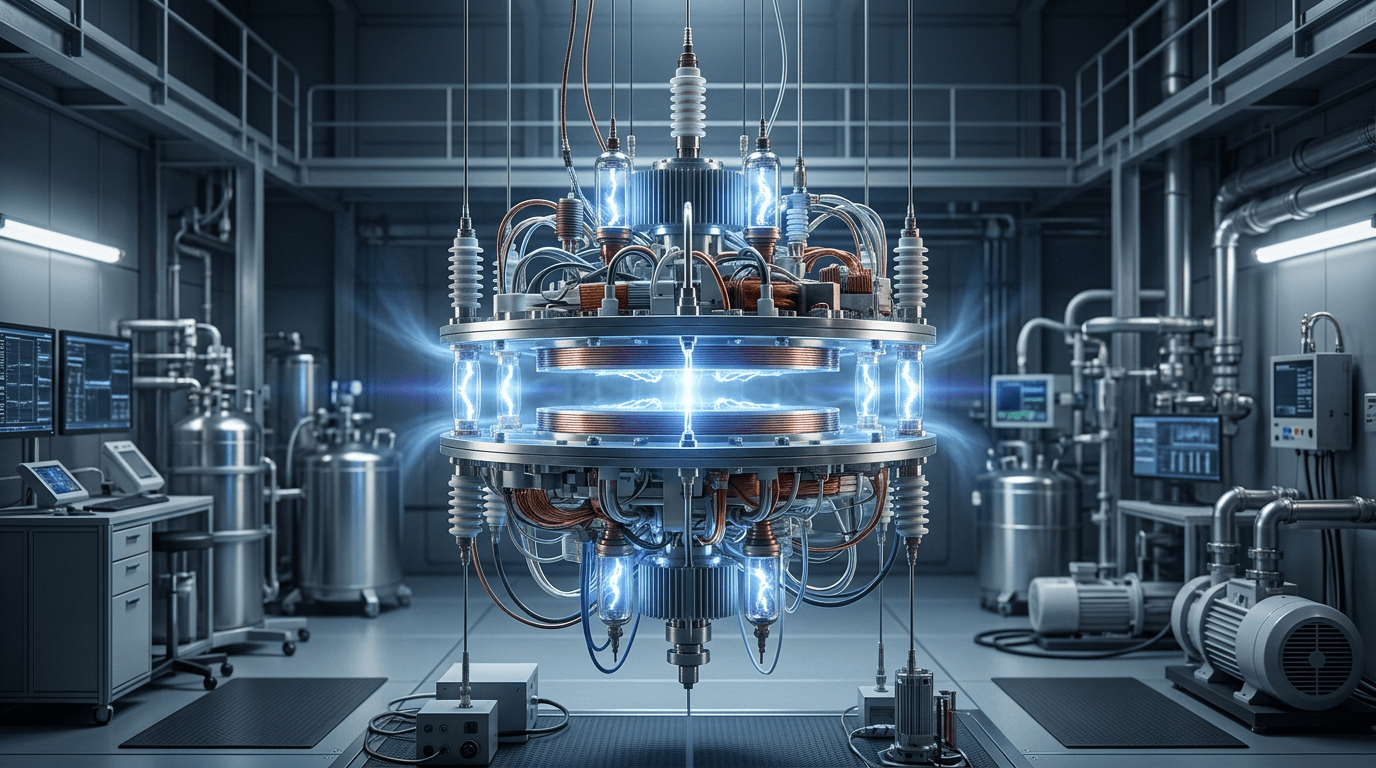
Electro-aerodynamic Gravity Amplifiers
Electro-aerodynamic gravity amplifiers represent theoretical systems using high-voltage asymmetrical capacitors to produce lift effects beyond conventional ion wind, building on Thomas Townsend Brown's electrogravitics research and Project Winterhaven applications.
Thomas Townsend Brown Foundation
Brown's research (1920s-1960s) explored the relationship between high-voltage electrical fields and gravitational effects, leading to his 'electrogravitics' theories. His work involved asymmetric capacitors (Biefeld-Brown effect) producing ionic wind and claimed gravitational field interactions. While ionic wind effects are well-documented, the gravitational coupling aspects remain controversial.
Project Winterhaven Applications
Brown's classified work under Project Winterhaven (1950s) involved military applications of electrogravitics for aircraft propulsion. The project explored: high-voltage field generation for lift; field resonance effects in atmospheric conditions; and potential applications for silent, reactionless propulsion. While some effects were documented, the gravitational coupling claims remain unverified.
High-Voltage Asymmetrical Capacitors
The technology involves using asymmetrical capacitor configurations with high-voltage electrical fields to produce lift effects including: controlled field generation for lift; field resonance effects in atmospheric conditions; and enhanced lift beyond conventional ion wind. The approach seeks to achieve lift through field interactions.
Gravity Amplification Claims
The systems claim to amplify gravitational effects through
high-voltage field interaction with gravitational fields; field resonance effects on mass-inertia relationships; and controlled field coupling for enhanced lift. The approach seeks to achieve lift through gravitational field manipulation.
Ion Wind Enhancement
The technology extends beyond conventional ion wind effects through
enhanced field generation for increased lift; field resonance effects for improved efficiency; and controlled field interaction for directional control. The approach seeks to achieve superior lift performance.
Electrogravitics Development
Brown's electrogravitics research evolved through several phases
initial asymmetric capacitor experiments showing lift effects; development of 'gravitators' and 'electrokinetic' devices; and theoretical frameworks connecting electrical fields to gravitational field manipulation. His work influenced both mainstream electrostatics and fringe propulsion research.
Current Status
While Brown's ionic wind effects are well-documented, the gravitational field coupling aspects remain unverified. Electro-aerodynamic gravity amplifiers represent a theoretical approach to exotic propulsion that builds on established electrostatics while extending into unproven field coupling concepts. The technology remains speculative with significant physics and engineering challenges.
Research this in Signals
Signals turns a topic into a sourced research record you can inspect and rerun. Your first scan is free, and this one starts with Electro-aerodynamic Gravity Amplifiers already loaded, so edit it or scan as is.