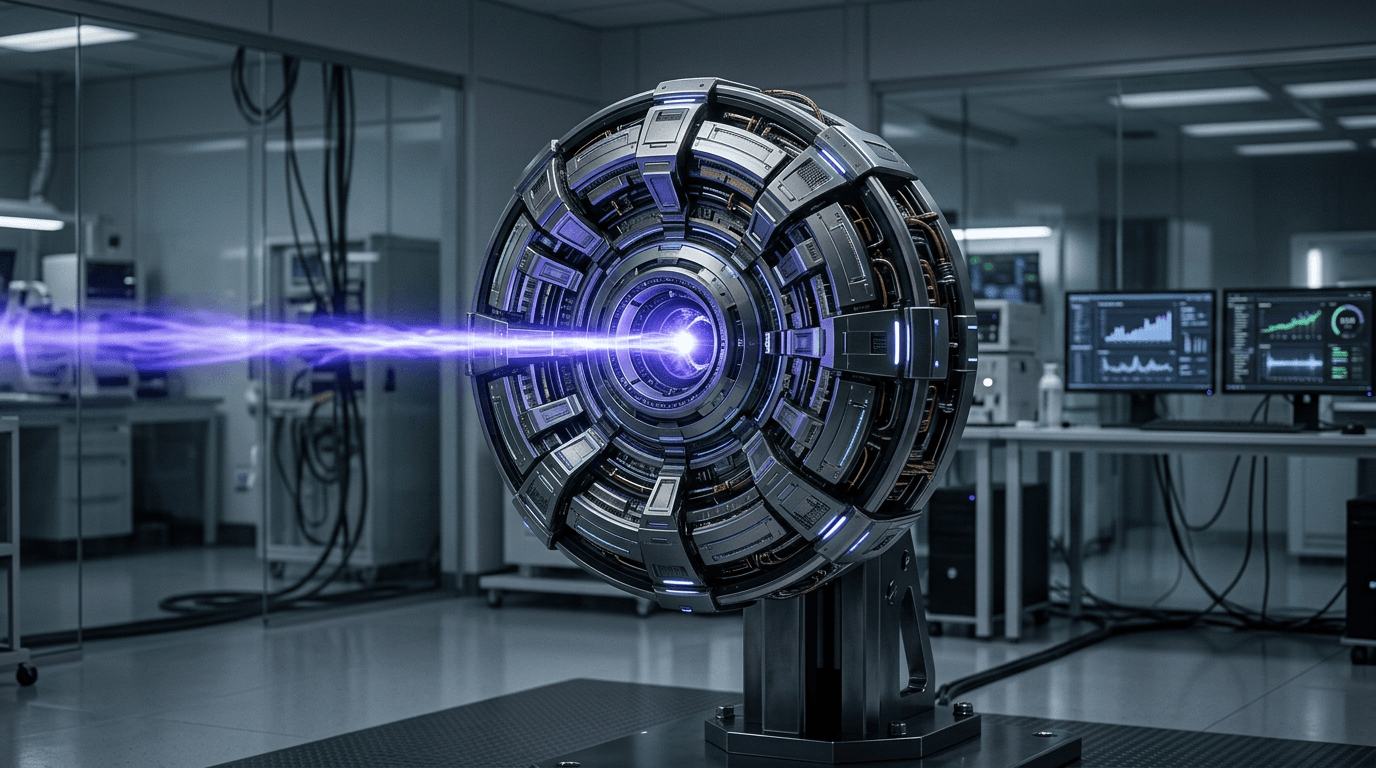
Directed-Energy Paralysis Arrays
Directed-energy paralysis arrays represent a class of non-lethal weapon systems that purportedly use concentrated electromagnetic or particle-beam emissions to temporarily disrupt neuromuscular function in biological targets. Unlike conventional directed-energy weapons designed for material damage or thermal effects, these systems allegedly operate at specific frequencies and power levels calibrated to interfere with the electrical signals governing voluntary muscle control. The theoretical mechanism involves either microwave-frequency radiation that penetrates tissue to affect nerve conduction, or focused particle beams that create localized electromagnetic fields capable of disrupting the electrochemical gradients essential for muscle fiber activation. Research into bioelectromagnetic effects has long documented that certain frequency ranges can influence neural activity, though the precise parameters required for controlled, reversible paralysis remain subjects of classified research and speculative engineering. The technology's existence in operational form has never been publicly confirmed by any government, though references in declassified documents and witness testimony from alleged encounters suggest ongoing investigation into such capabilities.
The strategic appeal of paralysis-inducing directed energy lies in its potential to neutralize threats without permanent harm or the political complications of lethal force. Military and law enforcement agencies face persistent challenges in crowd control, hostage situations, and asymmetric warfare scenarios where traditional weapons create unacceptable collateral damage or escalation risks. A system capable of temporarily immobilizing individuals while leaving them conscious and uninjured would theoretically fill a critical gap in the non-lethal weapons spectrum, offering precision incapacitation at range. The technology could also address the limitations of current non-lethal options like tasers, which require physical contact or very close proximity, and chemical agents, which affect entire areas indiscriminately. However, the engineering challenges are formidable: delivering sufficient energy density at distance to affect deep muscle tissue without causing thermal burns or permanent neurological damage requires extraordinary precision in beam focusing and power modulation.
Reports of paralysis effects during alleged UAP encounters, particularly those documented in the French COMETA report and similar compilations of witness testimony, describe remarkably consistent phenomenology: sudden onset of complete motor paralysis while consciousness and sensation remain intact, followed by spontaneous recovery with no lasting physical effects. Whether these accounts reflect exposure to advanced directed-energy technology, psychological responses to extreme stress, or other phenomena remains unresolved. Mainstream directed-energy weapon development has focused primarily on anti-materiel applications and active denial systems that cause pain rather than paralysis. The gap between publicly acknowledged capabilities and the effects described in anomalous encounter reports has fueled speculation about suppressed research programs or technological capabilities beyond current conventional understanding. As electromagnetic weapon systems continue to evolve and bioelectromagnetic research advances, the boundary between theoretical possibility and operational reality in this domain remains deliberately obscured by classification and the absence of verifiable deployment data.
Research this in Signals
Signals turns a topic into a sourced research record you can inspect and rerun. Your first scan is free, and this one starts with Directed-Energy Paralysis Arrays already loaded, so edit it or scan as is.