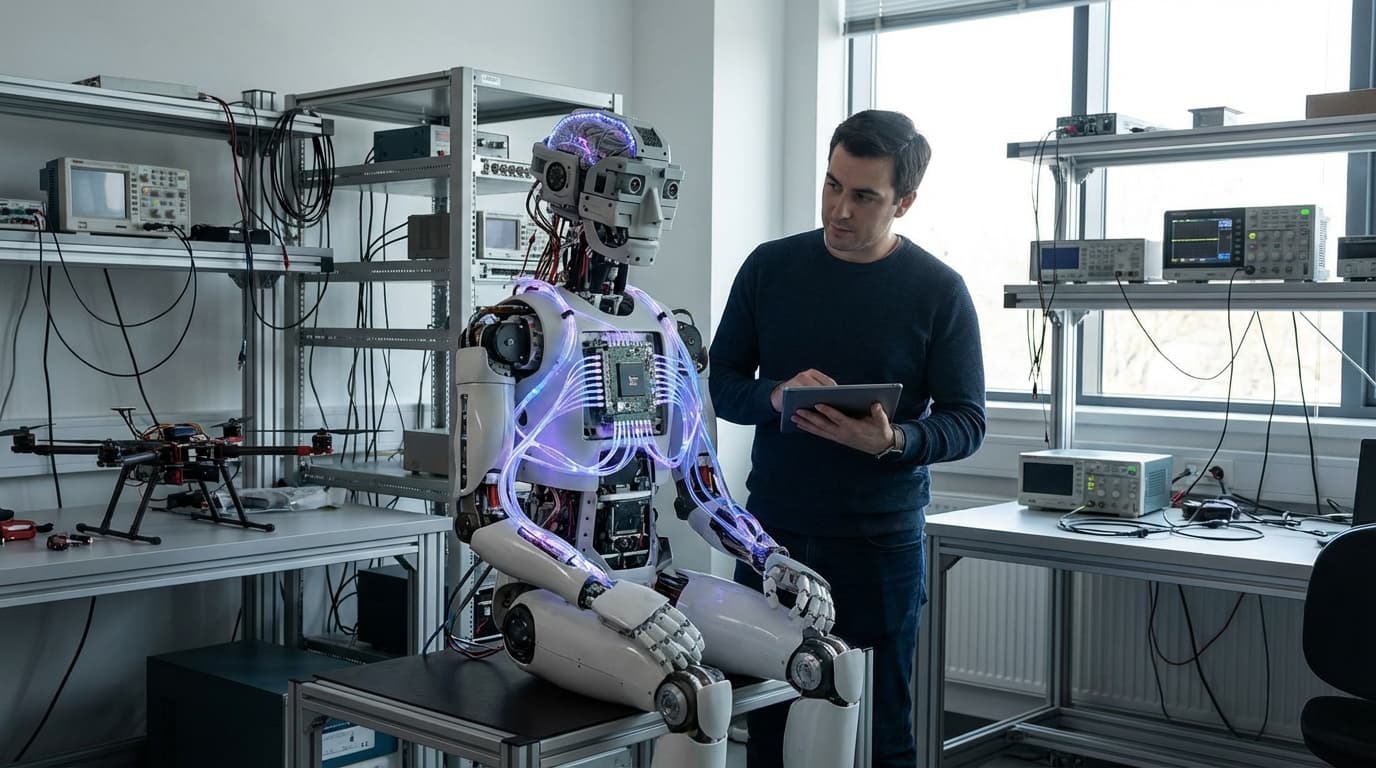
Hierarchical Memory Systems
Hierarchical memory systems organize agent memory into multiple levels with different characteristics and retention times: short-term working memory for immediate context, episodic memory for specific events and experiences, and semantic memory for general knowledge and facts. This structure mirrors human memory organization and enables agents to maintain continuity across interactions, learn from experience, and reason about situations using both recent context and long-term knowledge.
This innovation addresses the limitation of stateless AI systems, which treat each interaction independently and cannot learn from or remember past experiences. By maintaining hierarchical memory, agents can develop persistent identities, accumulate knowledge over time, and make decisions informed by both immediate context and historical experience. Research institutions and companies are developing these capabilities, with some systems already demonstrating improved performance through memory-augmented architectures.
The technology is essential for creating AI agents that can have ongoing relationships with users, learn from experience, and operate effectively in dynamic environments. As AI systems are deployed in applications requiring long-term interaction—from personal assistants to autonomous agents to educational systems—hierarchical memory becomes crucial for maintaining context, learning, and providing consistent, personalized experiences. However, managing memory effectively, avoiding information overload, and ensuring privacy remain active research challenges.
Related Organizations

Developers of the Gemini family of models, which are trained from the start to be multimodal across text, images, video, and audio.

Through Copilot and the 'Recall' feature in Windows, Microsoft is integrating persistent memory and agentic capabilities directly into the operating system.

Provides a managed vector database optimized for high-performance AI similarity search.


Open-source vector search engine with out-of-the-box modules for vectorization and RAG.

Supporting Evidence
Research this in Signals
Signals turns a topic into a sourced research record you can inspect and rerun. Your first scan is free, and this one starts with Hierarchical Memory Systems already loaded, so edit it or scan as is.