Tracking signals shaping the future of artificial intelligence — AI systems, autonomous agents, synthetic cognition, and machine-driven intelligence architectures.
Technologies
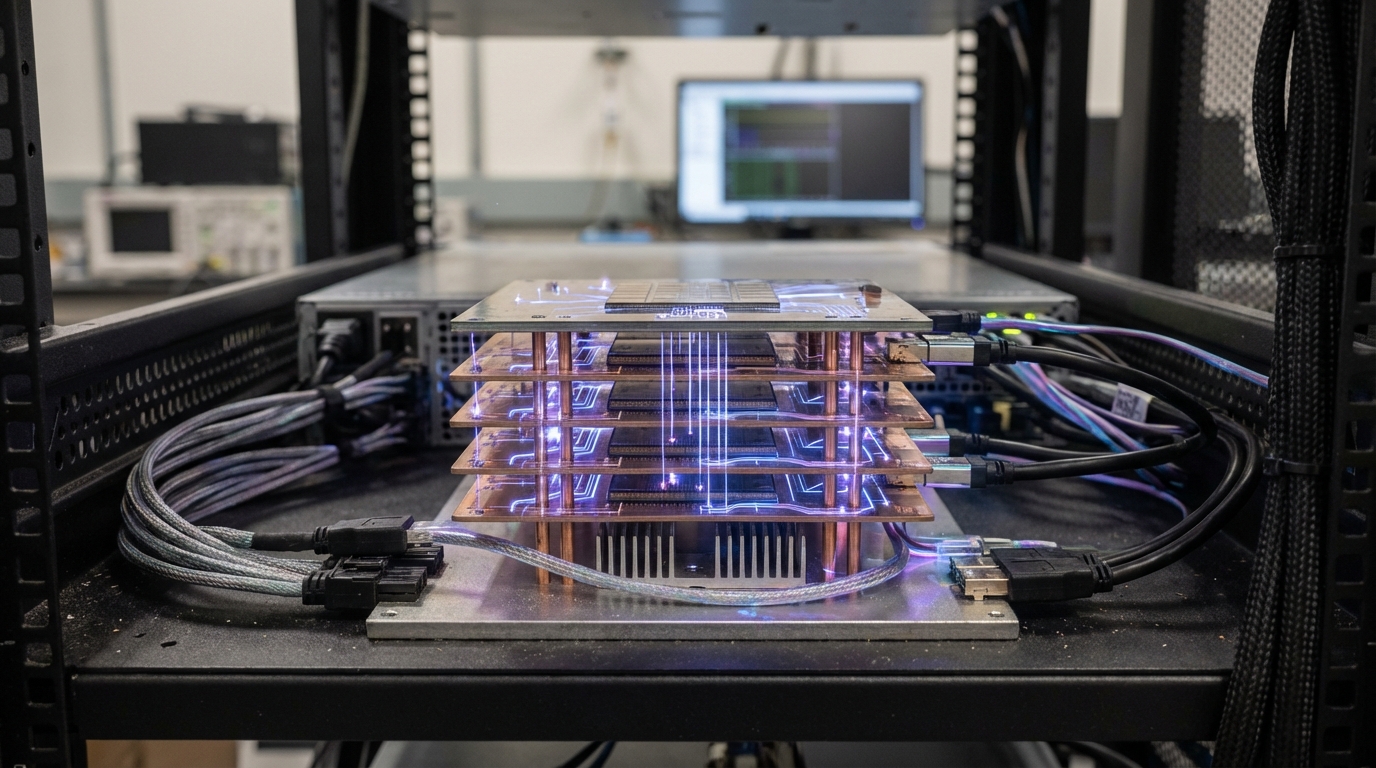
Vertically stacked chips mimicking brain connectivity for spiking neural networks
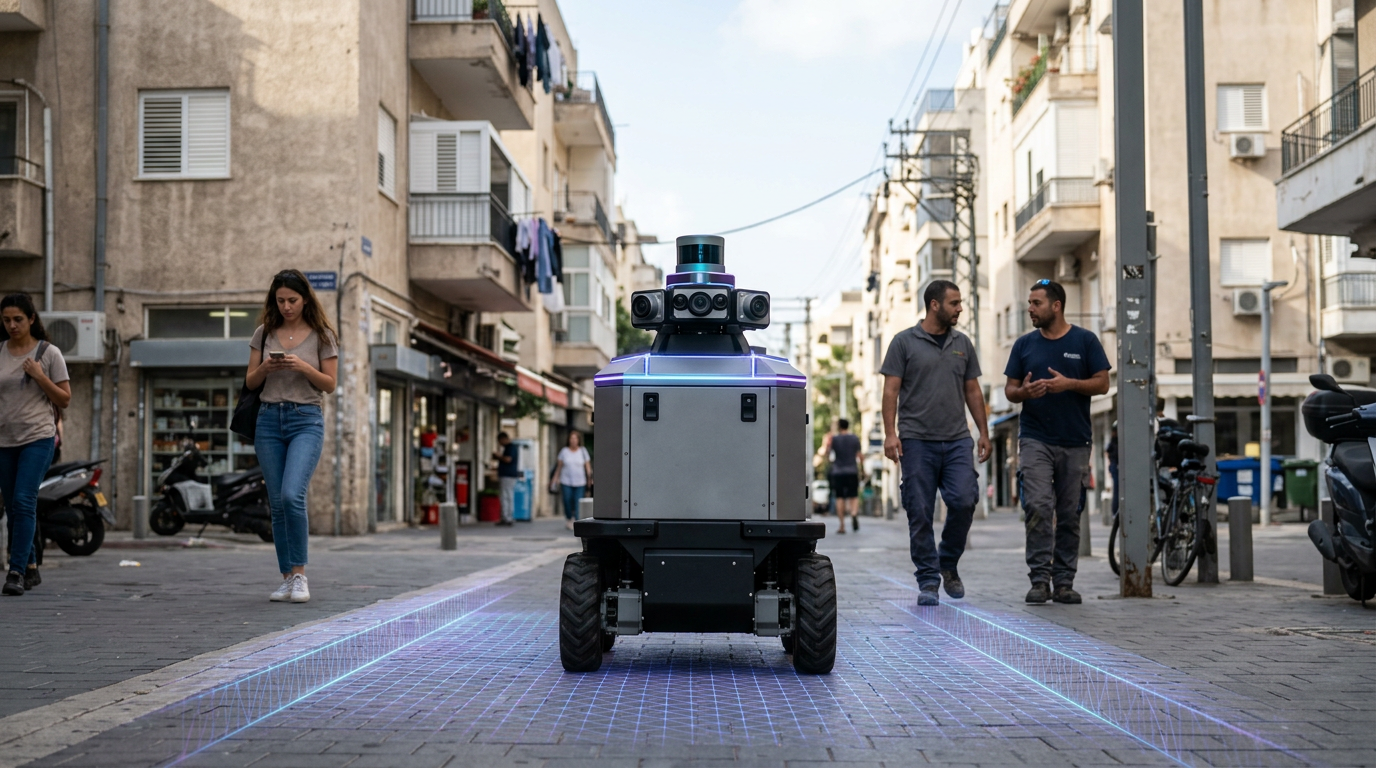
Israel's computer vision ecosystem spans defense (target recognition), automotive (Mobileye), agriculture (crop monitoring), and medical imaging, with deep academic roots.
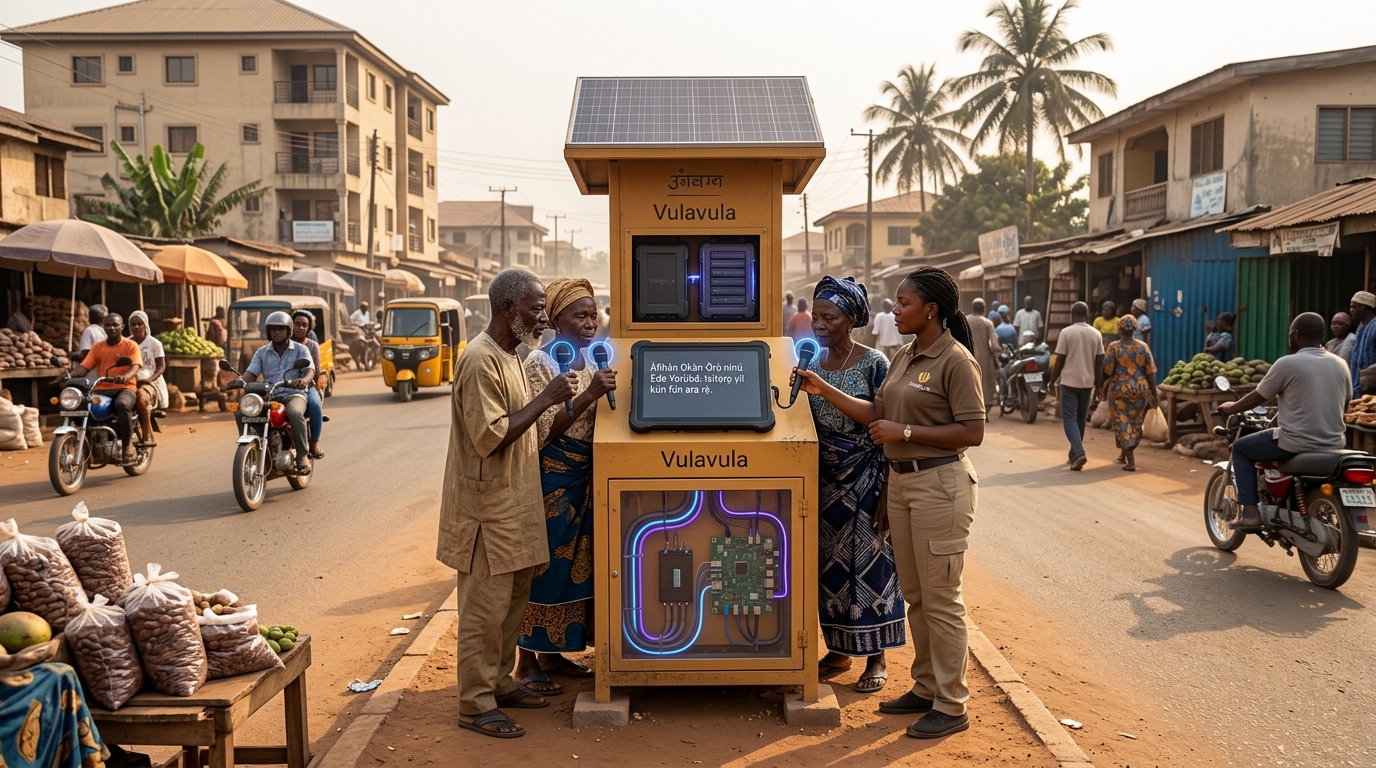
Lelapa AI's Vulavula platform provides speech recognition, translation, and sentiment analysis for African languages — serving the 2,000+ languages that global AI ignores.

African data center operators are building sovereign cloud infrastructure to keep data on-continent — addressing the fact that 80% of African data is currently stored overseas.
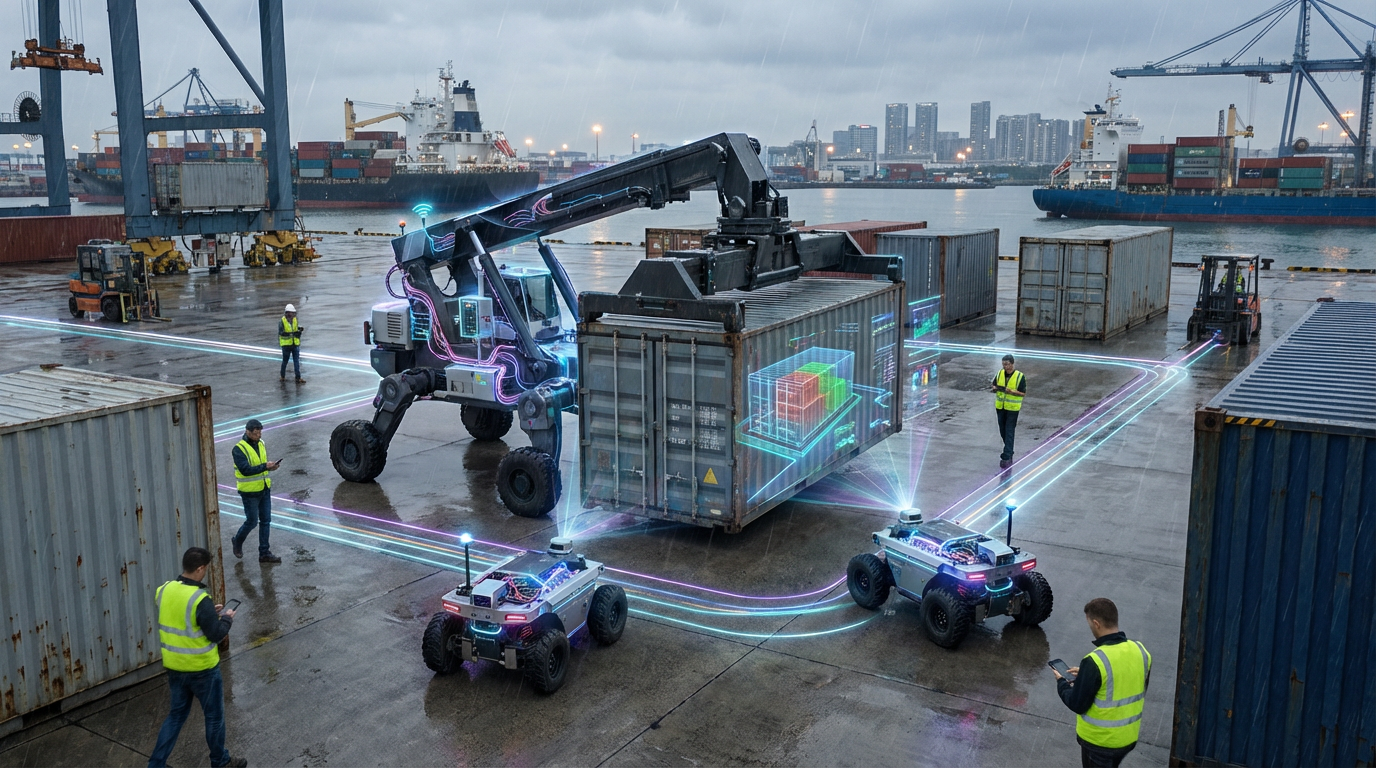
Multi-agent AI systems that coordinate through shared world models and specialized roles

AI agents that autonomously plan, use tools, browse the web, write code, and execute multi-step workflows are moving from demos to production deployment via frameworks like MCP, LangChain, and enterprise platforms.
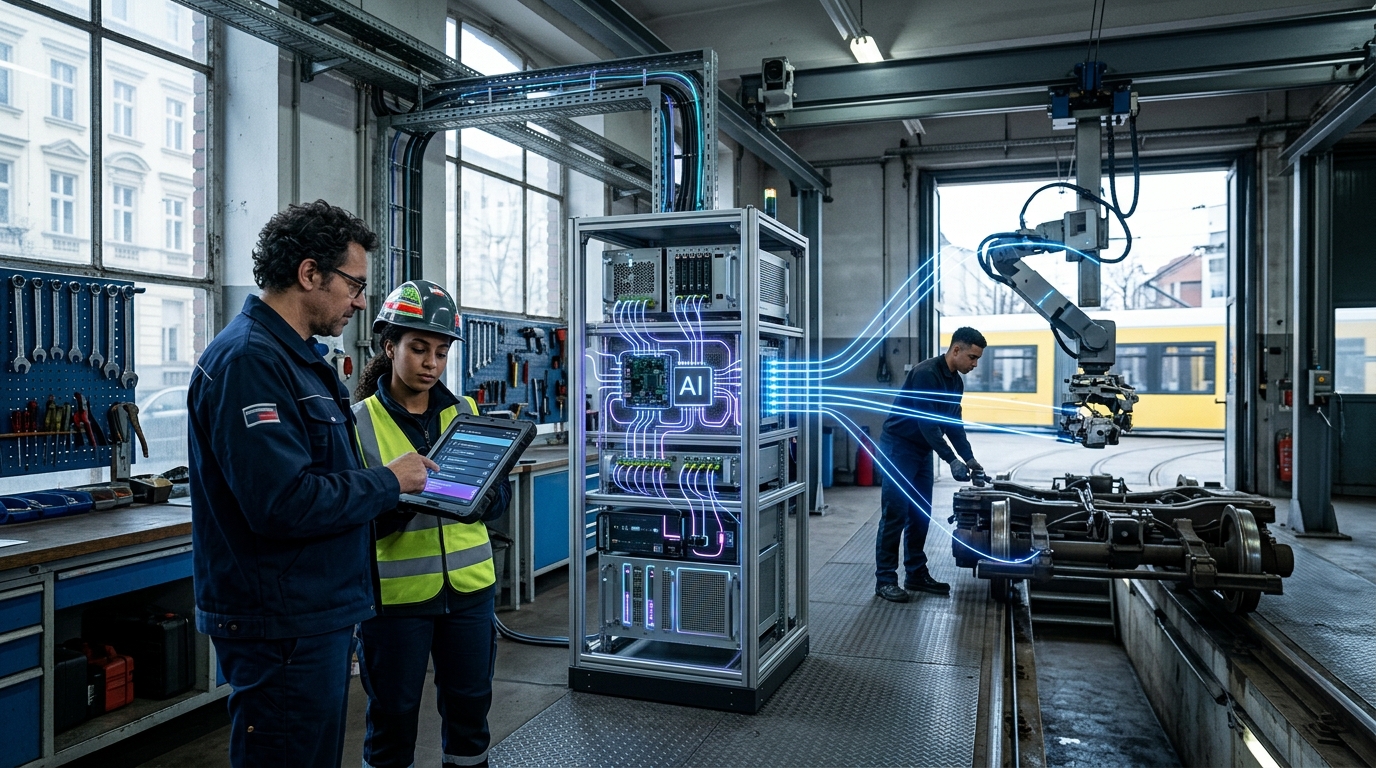
H Company (France, $220M seed) building AI agents that reason, plan, and execute tasks autonomously — moving beyond chatbots to digital workers
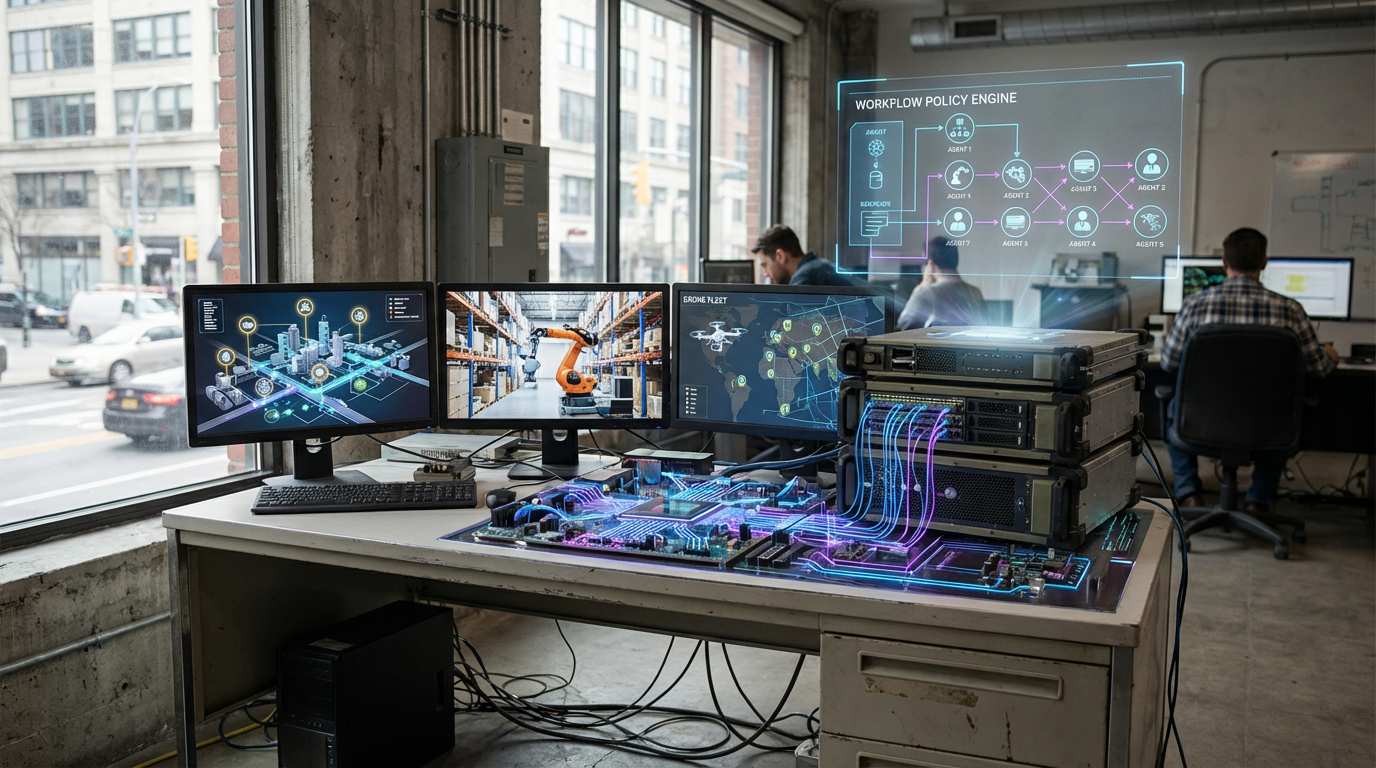
Infrastructure for coordinating multiple AI agents across complex workflows and task delegation

LLM-powered assistants that autocomplete code, generate functions, and accelerate software development

Autonomous coding agents from Anthropic, OpenAI, and startups like Cursor and Devin can now write, test, and deploy production code with minimal human oversight, fundamentally reshaping software development.
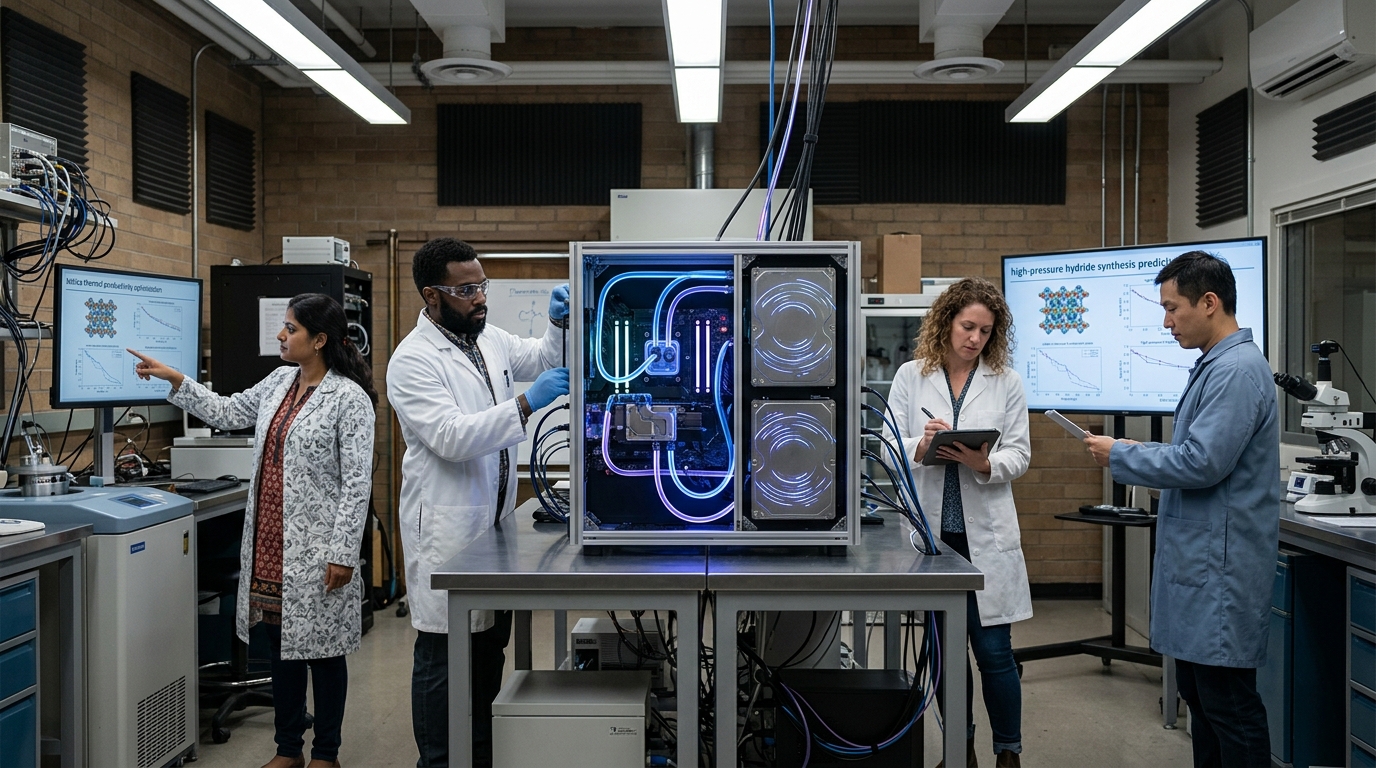
AI systems are now generating novel scientific hypotheses and discovering new materials, drugs, and mathematical proofs — DARPA's expMath program applies AI to breakthrough advances in national security-related mathematics.
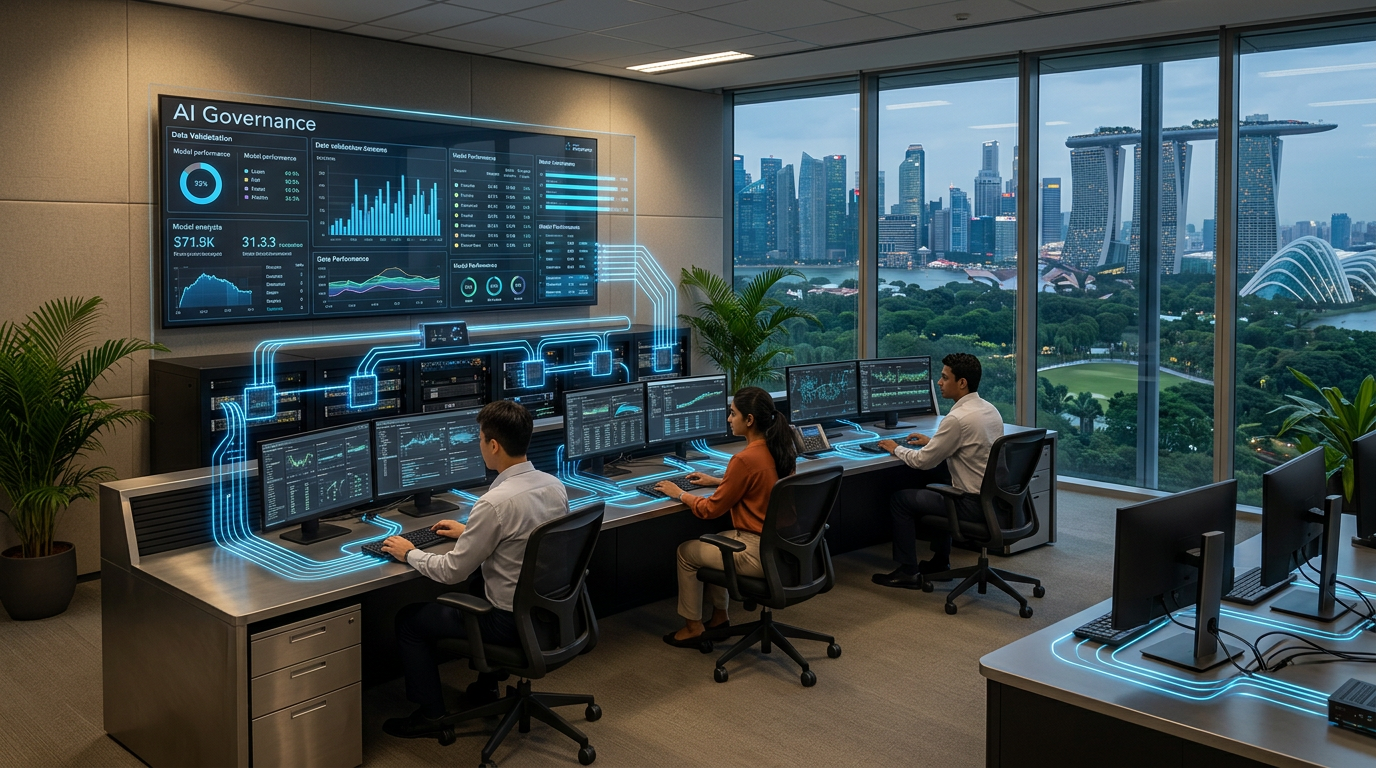
Singapore's IMDA developed Asia's first comprehensive AI governance framework, with AI Verify — an open-source testing toolkit — adopted by companies and regulators across ASEAN.
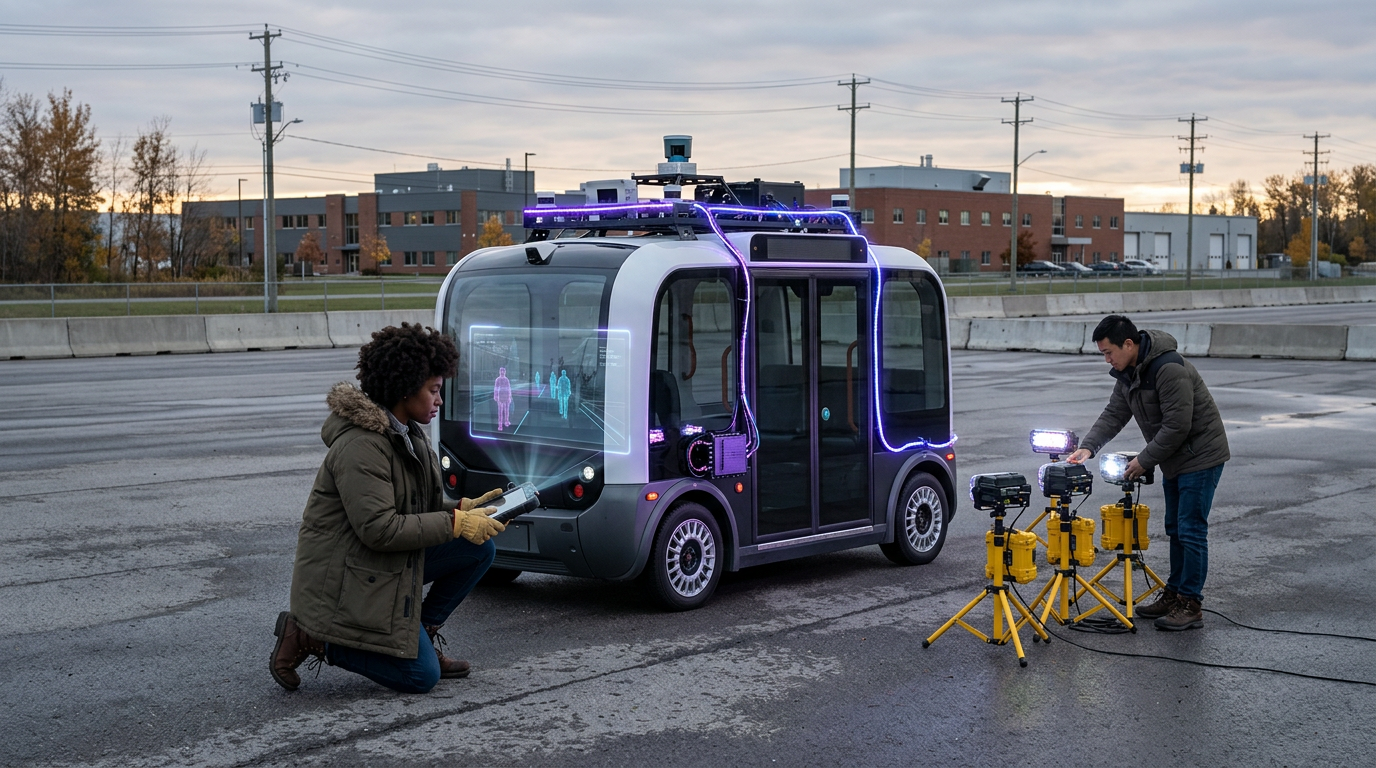
Canada CIFAR AI Chairs are developing robust AI evaluation tools that are shaping the global standard for AI safety auditing and red-teaming.

Autonomous AI systems that design, execute, and analyze scientific experiments in robotic labs
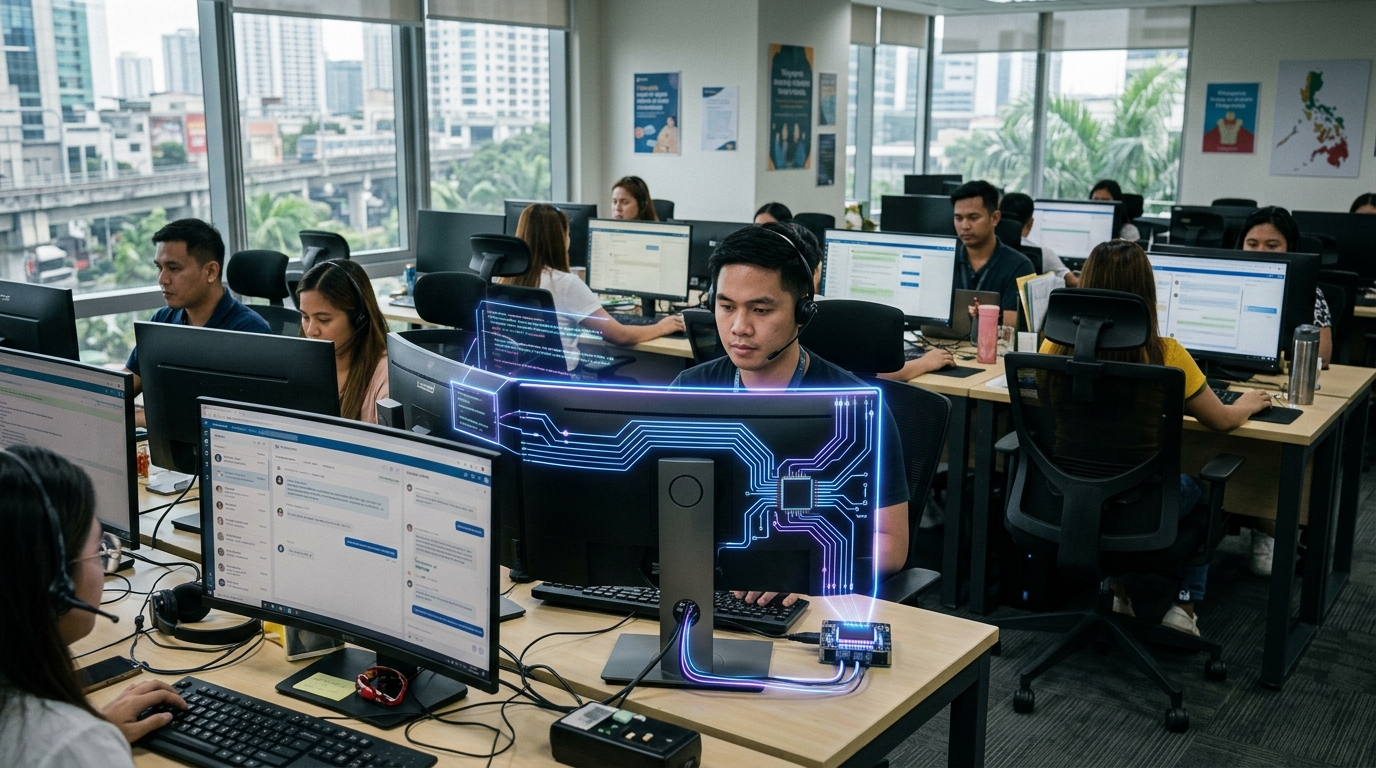
The Philippines' $38B BPO industry employs 1.7M workers and is deploying AI co-pilot tools for customer service, medical transcription, and financial processing to maintain competitiveness.
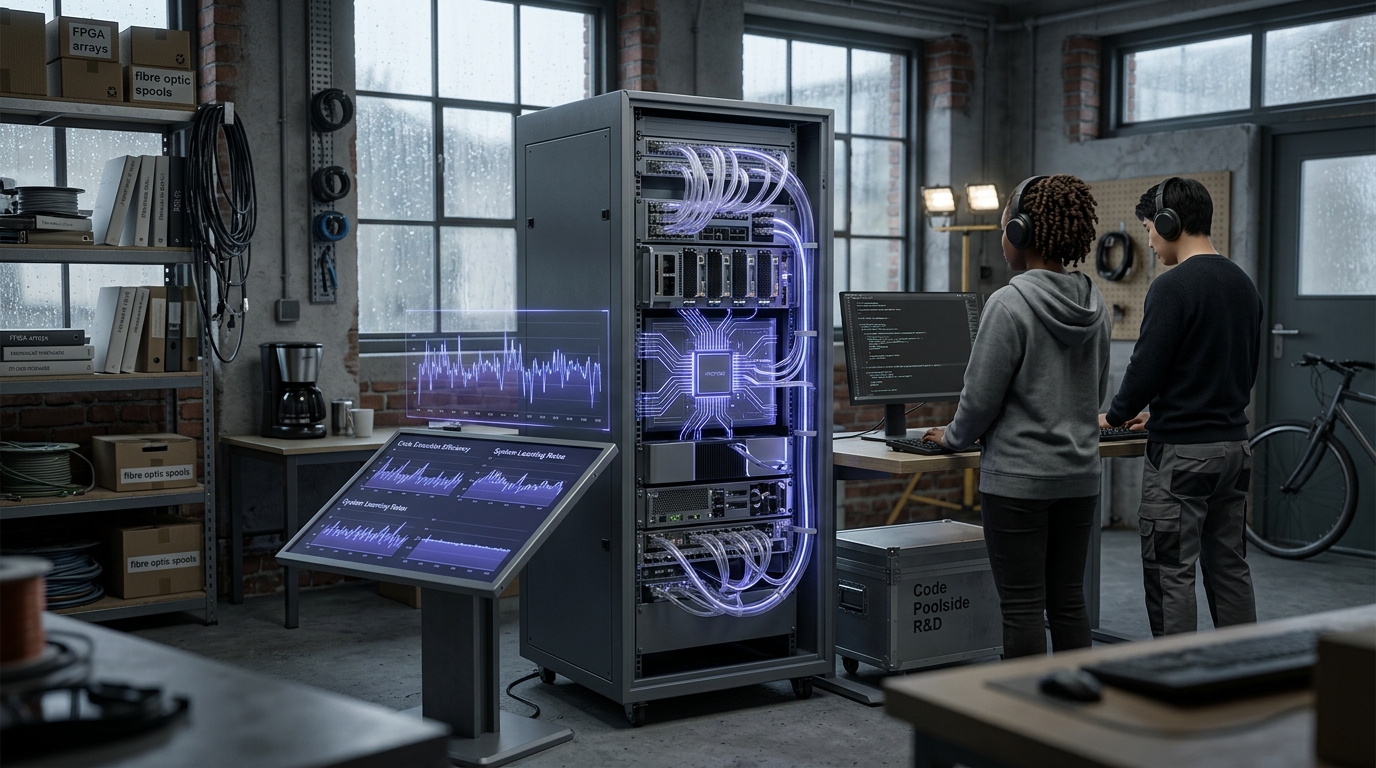
Poolside (France, $500M Series B at $3B) training AI on code execution rather than syntax — building autonomous software engineers that learn from running code

Haier's 'Eye of AI' puts multimodal AI directly into appliances — range hoods that watch your cooking, fridges that analyze ingredients via camera, air purifiers that react to CO2

AI systems that design, simulate, and test drug molecules to accelerate pharmaceutical development

Korea's $20B private education (hagwon) industry is being disrupted by AI tutoring platforms — Riiid, Mathpresso (Qanda), and Elice — that use adaptive learning algorithms trained on the world's most test-obsessed student population.
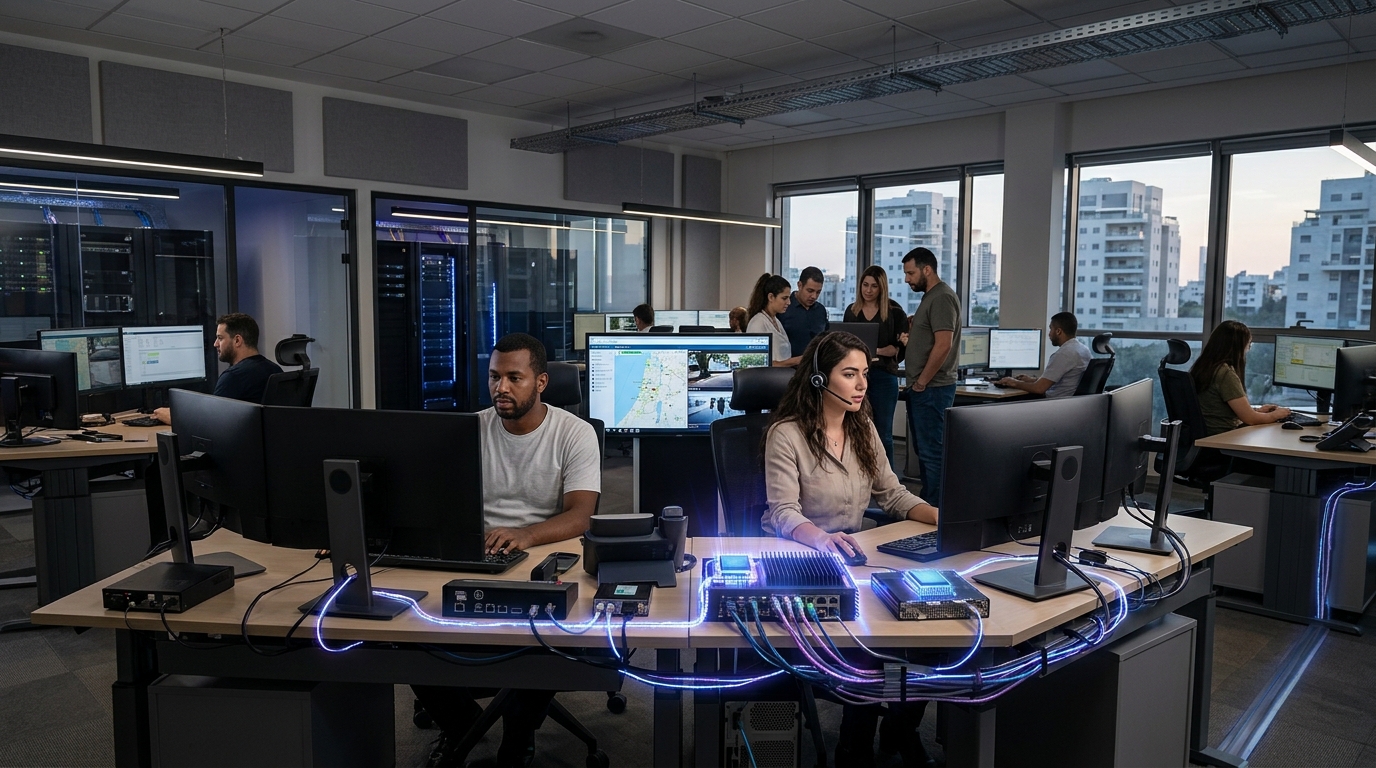
Carbyne's $226M-funded cloud-based emergency platform processes 911/112 calls using AI for call triage, location detection, and video streaming in 100+ jurisdictions.
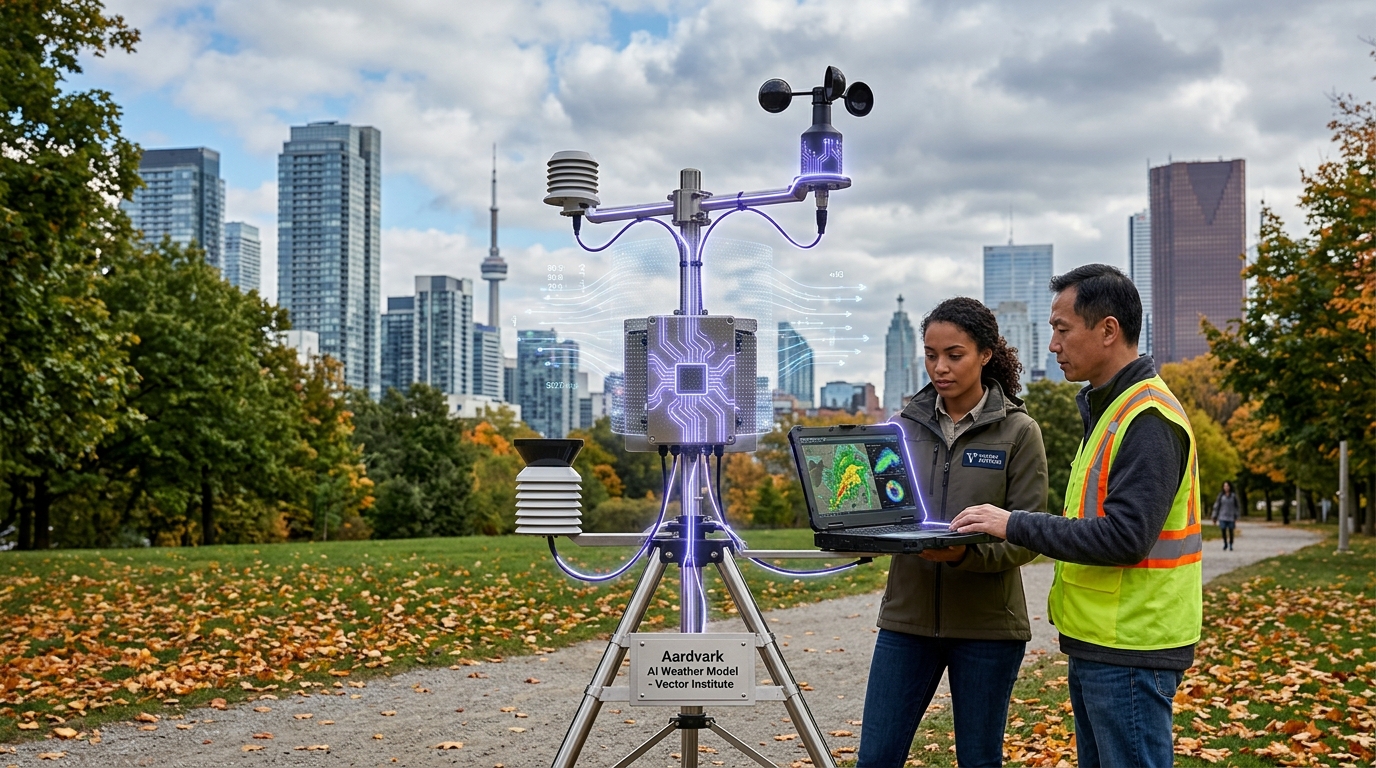
The Vector Institute's Aardvark Weather model delivers high-accuracy local forecasts using a fraction of the compute required by traditional numerical weather prediction.

Keeping multi-agent AI systems aligned to shared goals as they coordinate and self-improve

NTT's IOWN initiative aims to replace electronic networking with end-to-end photonic infrastructure — targeting 100x power efficiency and 1/200th latency by 2030.
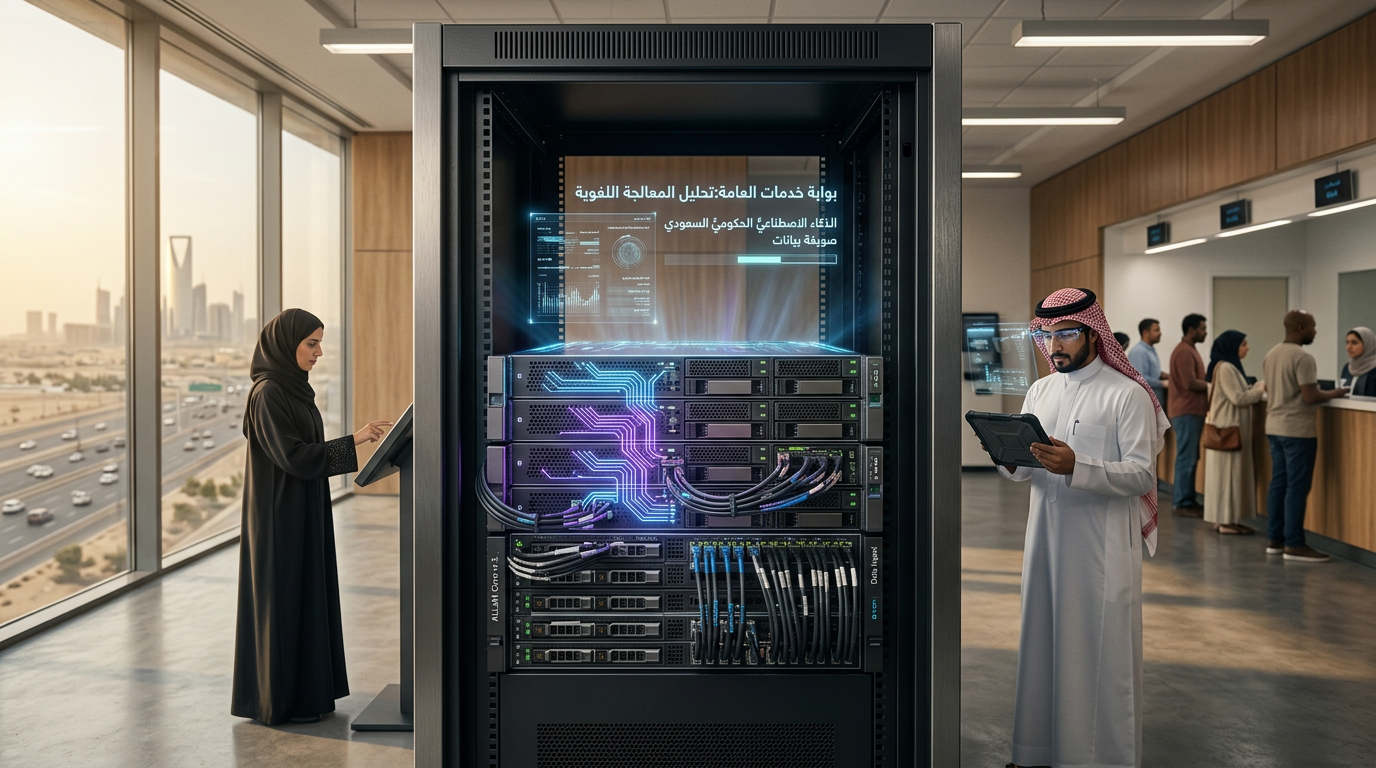
Saudi Arabia's HUMAIN developed ALLaM, a sovereign Arabic LLM designed to serve government services and enterprise applications in the Kingdom's AI ecosystem.
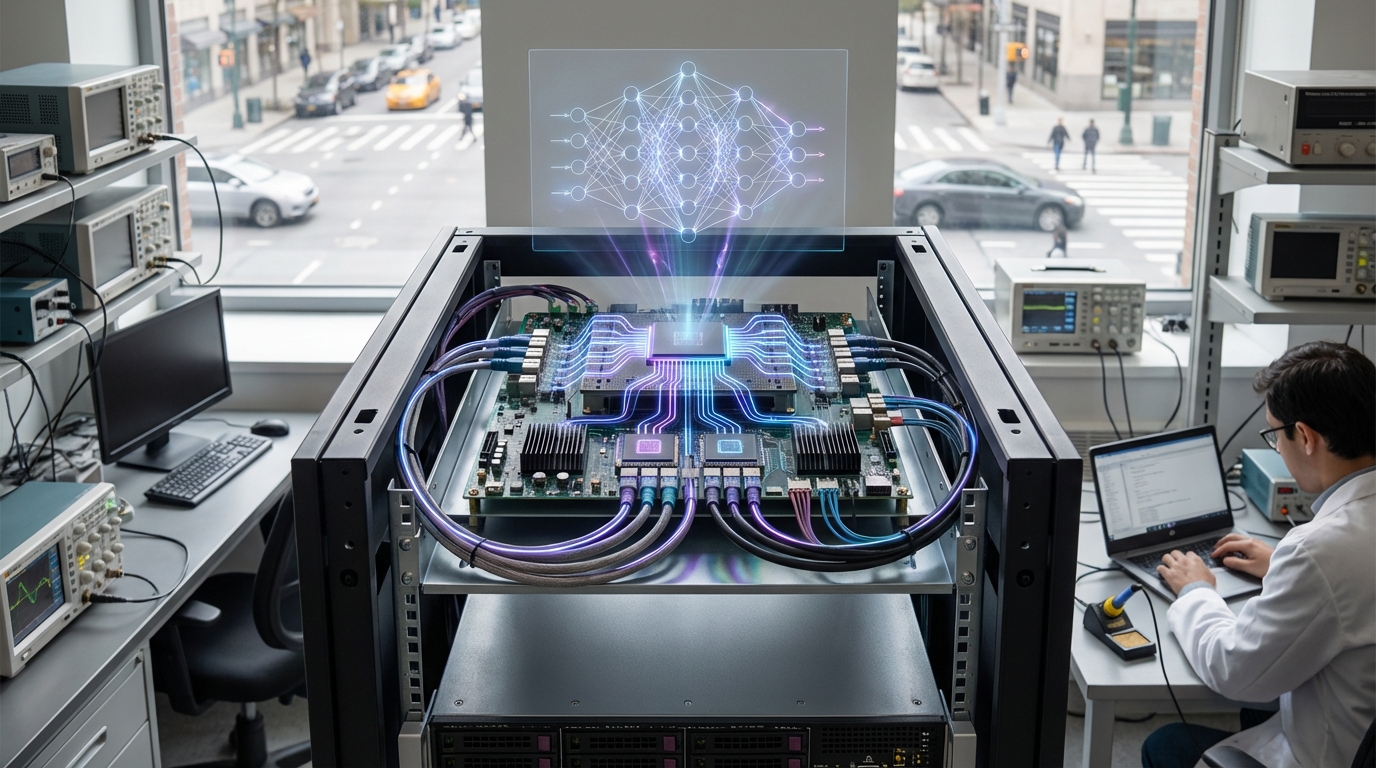
Hardware that uses continuous physical signals to run neural networks with far less power than digital chips

Chips that compute directly in memory arrays, bypassing data transfer bottlenecks for AI workloads

The Philippines is Asia's largest animation outsourcing hub with 20+ studios serving Disney, Warner Bros, and Nickelodeon — now integrating AI workflows for indigenous IP.
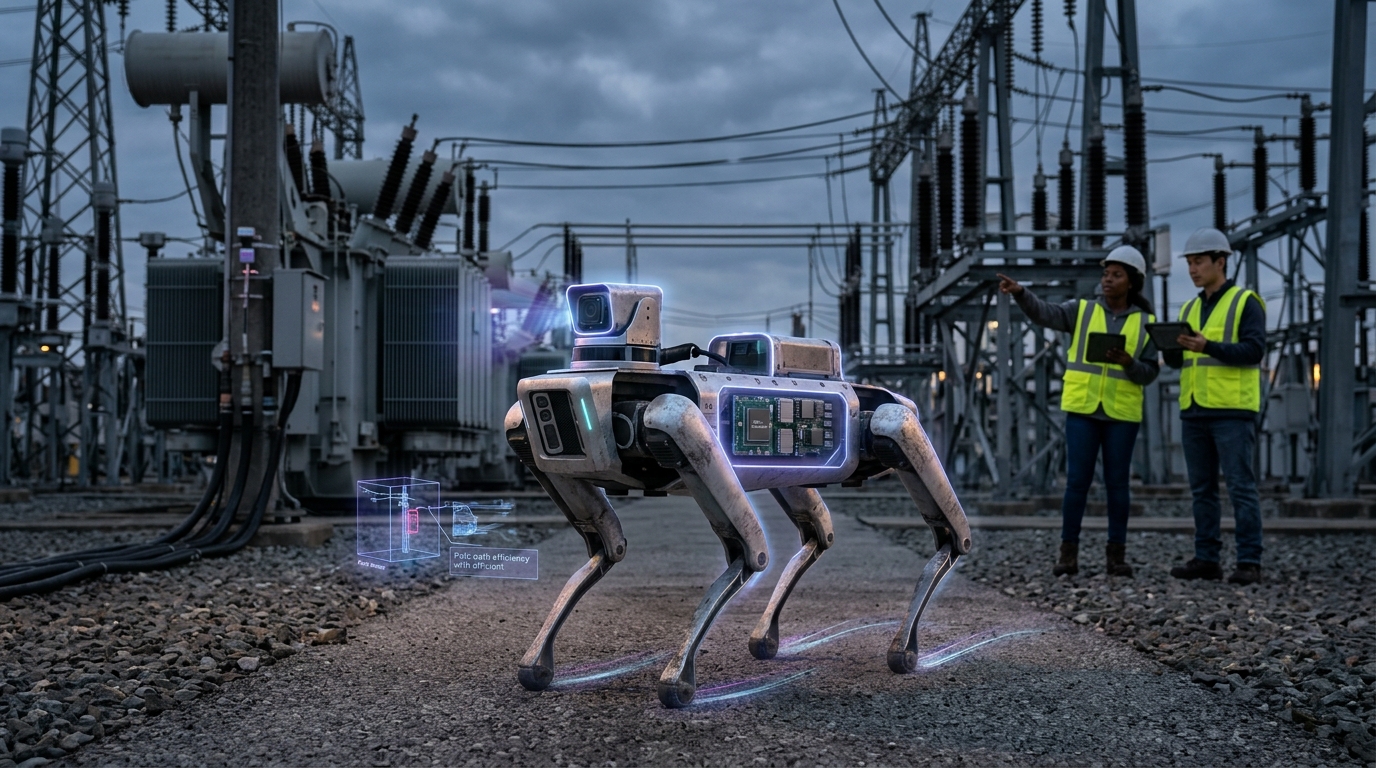
Systems that learn, reason, and make decisions using data-driven methods like machine learning
AI agents handling research, analysis, and development tasks with minimal human oversight

Turkey demonstrated autonomous close-formation flying of jet-powered drones (Kizilelma) in 2025 — building blocks for multi-drone swarm operations that redefine air combat.
AI systems that probe other AI for vulnerabilities, misalignment, and failure modes
AI agents that search literature, draft hypotheses, and plan experiments autonomously

Living neurons interfaced with silicon controllers for hybrid biological-artificial computation

Montreal-based CAE is the world's leading provider of flight simulation and training technology, expanding into healthcare simulation and defense digital twins with operations in 40+ countries.
Academic-industry institutes advancing deep learning, reinforcement learning, and responsible AI development

AI systems that identify cause-and-effect relationships to predict intervention outcomes

Nationwide AI monitoring using facial recognition, gait analysis, and IoT sensors for public safety
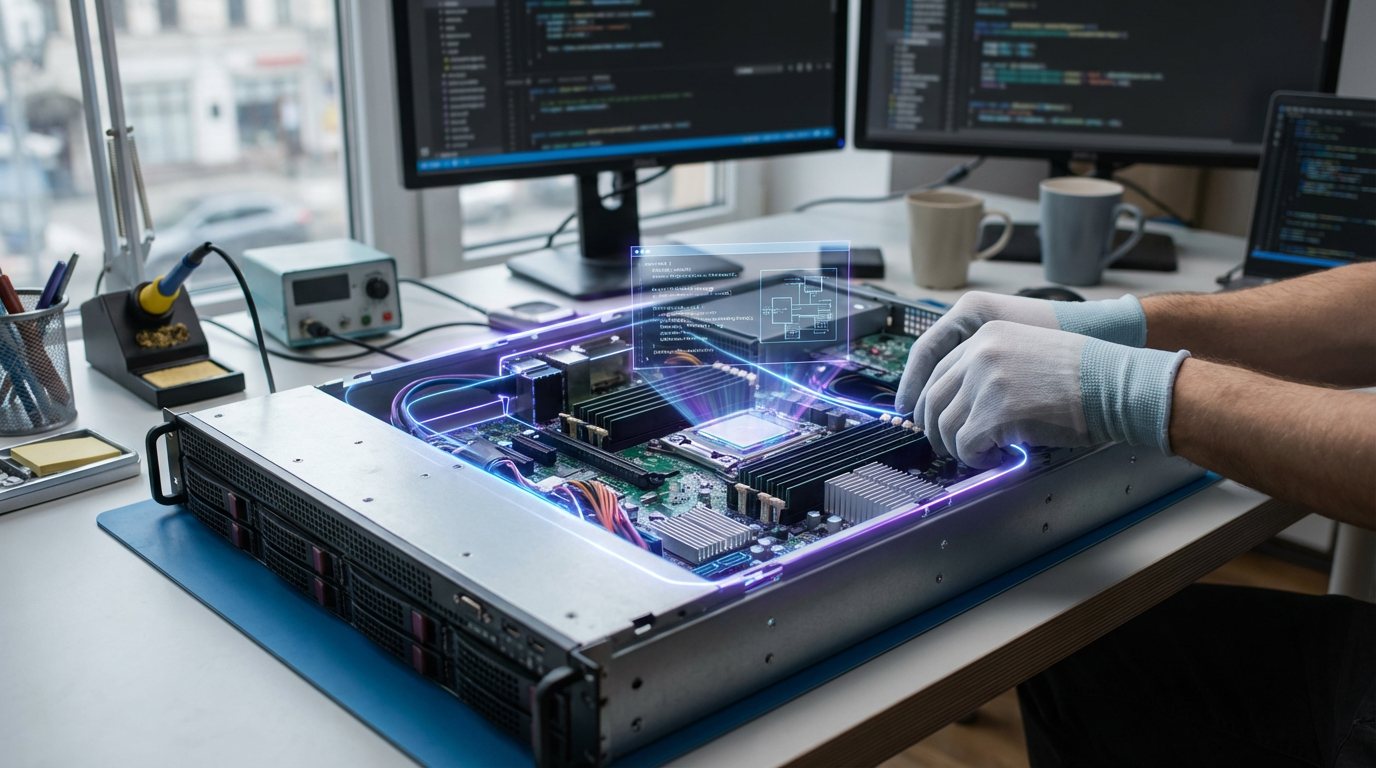
AI models trained on code repositories to generate, debug, and refactor software

AI coordination layers that monitor and optimize urban systems like energy, transit, and emergency services

Canada's flagship LLM company Cohere, founded by Transformer co-inventor Aidan Gomez, has emerged as the leading enterprise-focused AI model provider outside the US and China.
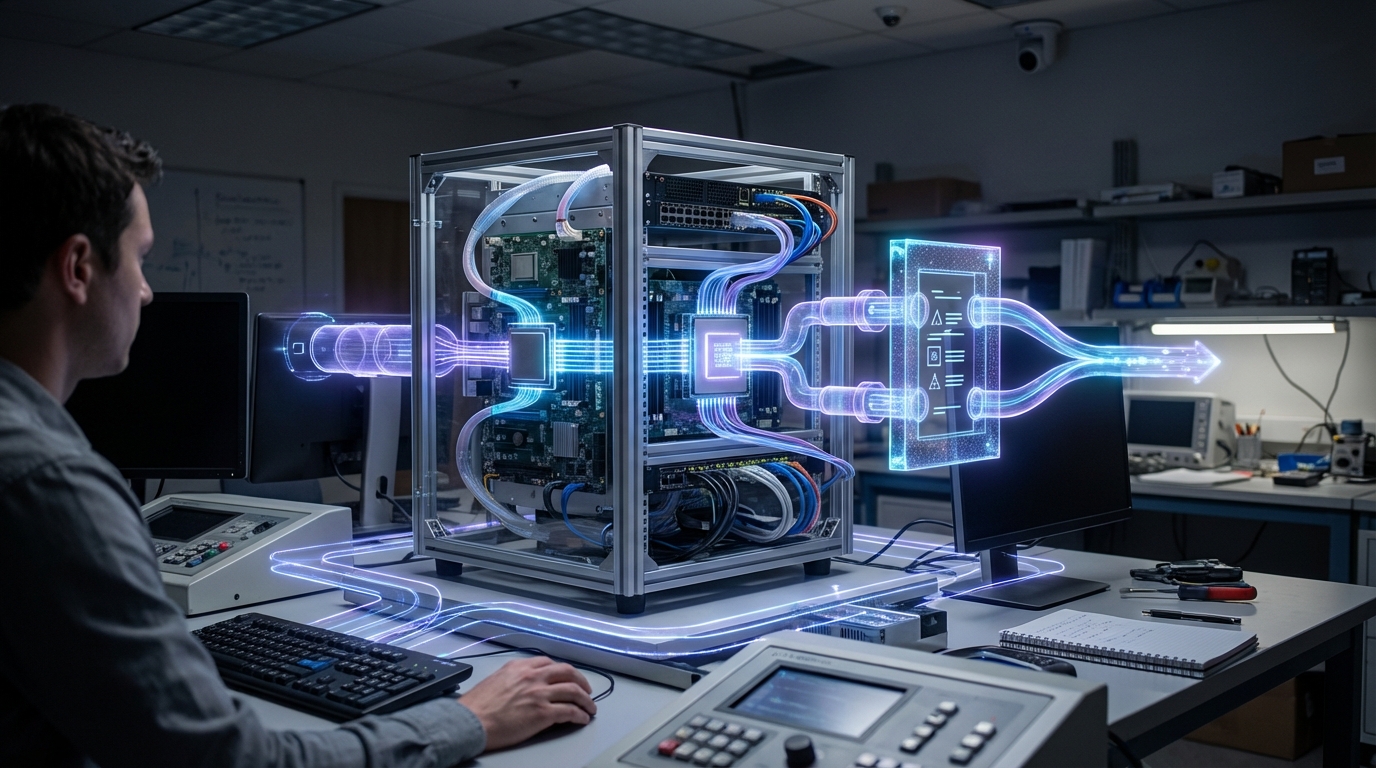
AI systems that self-align behavior using explicit rule sets and iterative self-critique
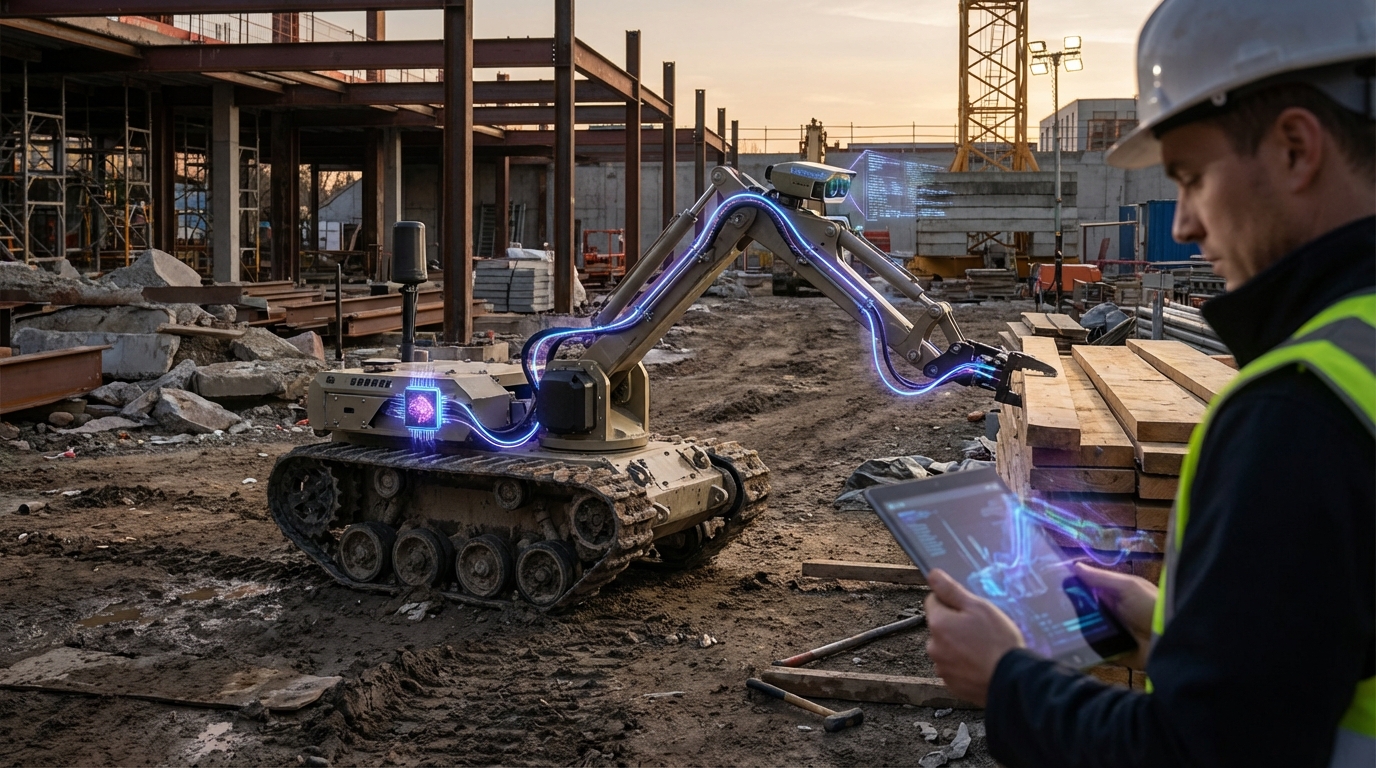
AI systems that learn continuously from sensory input while preserving past knowledge
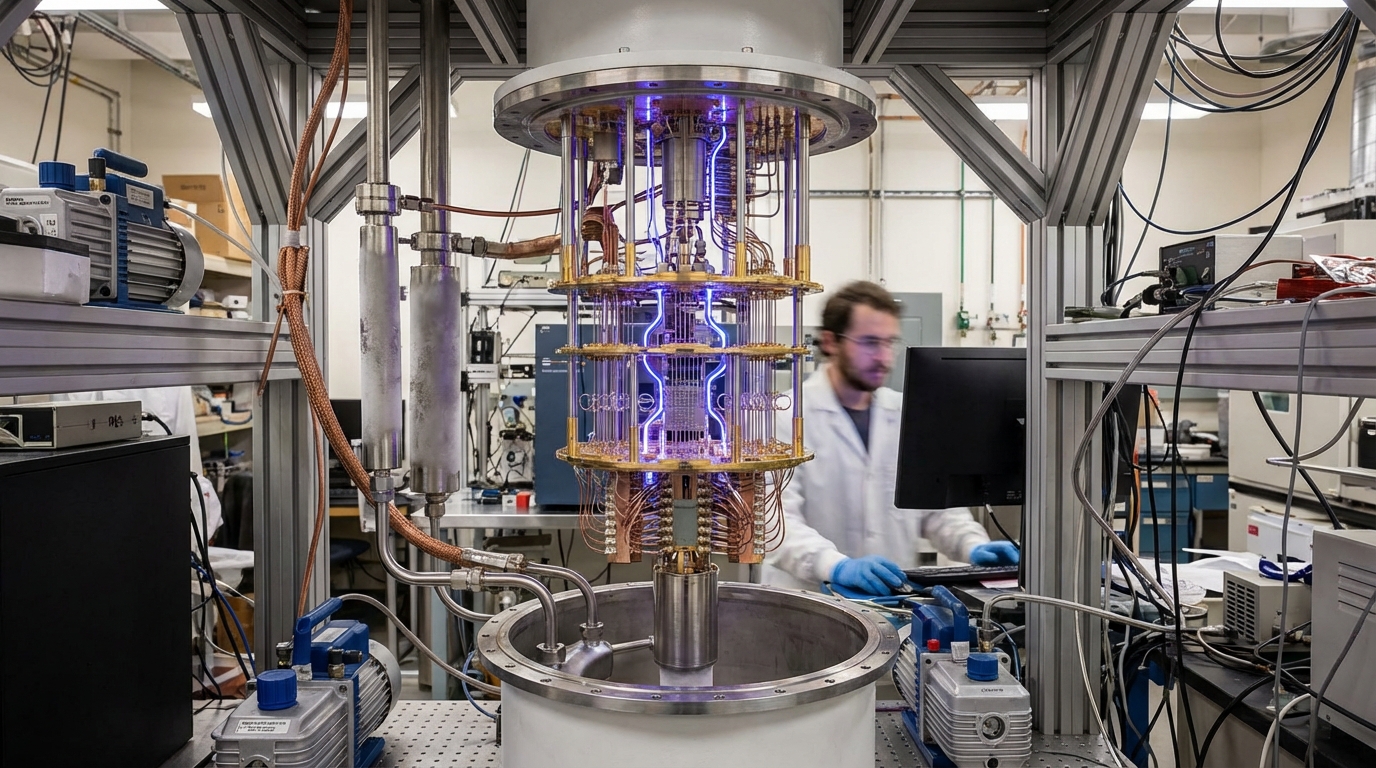
AI chips cooled to near-zero temperatures for ultra-fast, near-zero-power computation
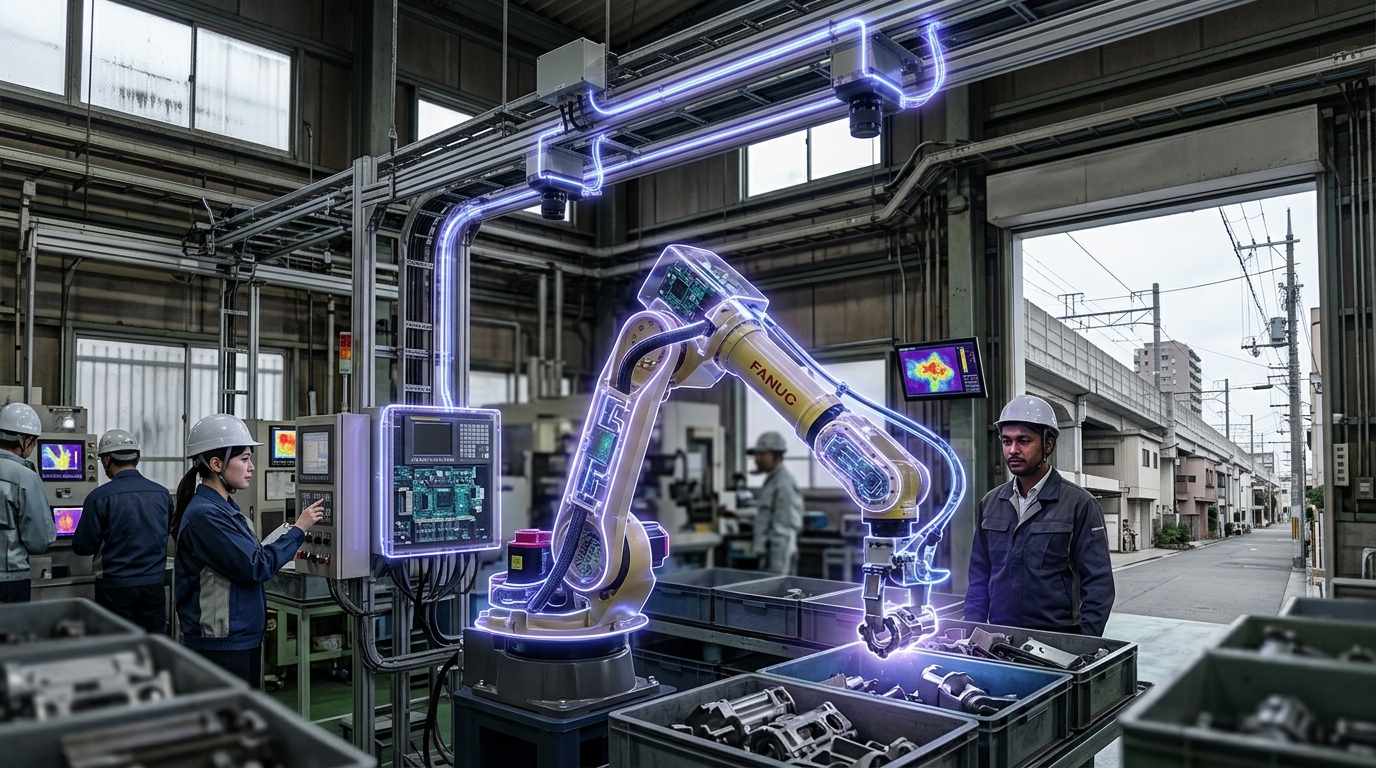
Preferred Networks remains Japan's most established AI company — applying deep learning to manufacturing, drug discovery, and autonomous driving with Toyota and Fanuc partnerships.
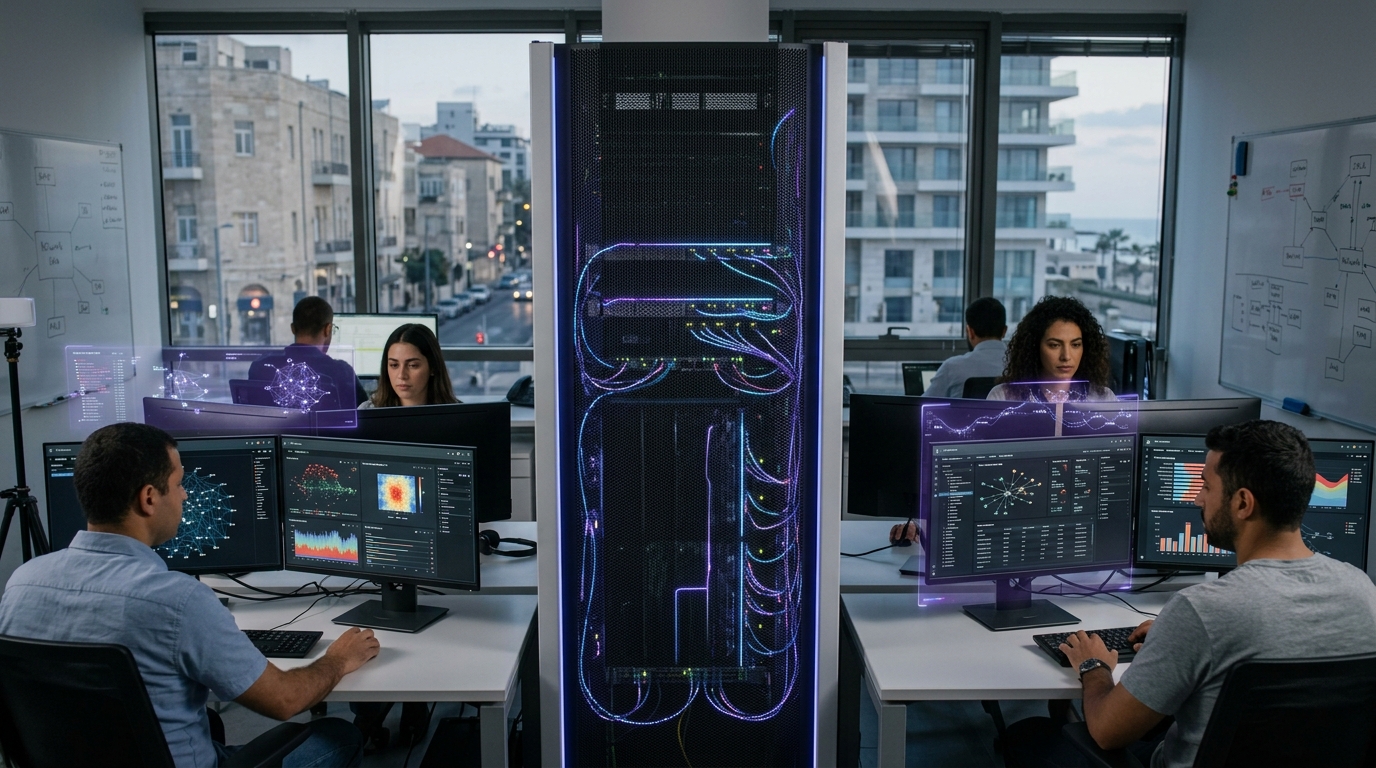
Deep Instinct applies deep neural networks to cybersecurity for predictive threat prevention, detecting zero-day malware with sub-millisecond response times.

DeepSeek trained a frontier-class AI model for $5.6M — roughly 1/50th what comparable Western models cost — using just 2,000 GPUs
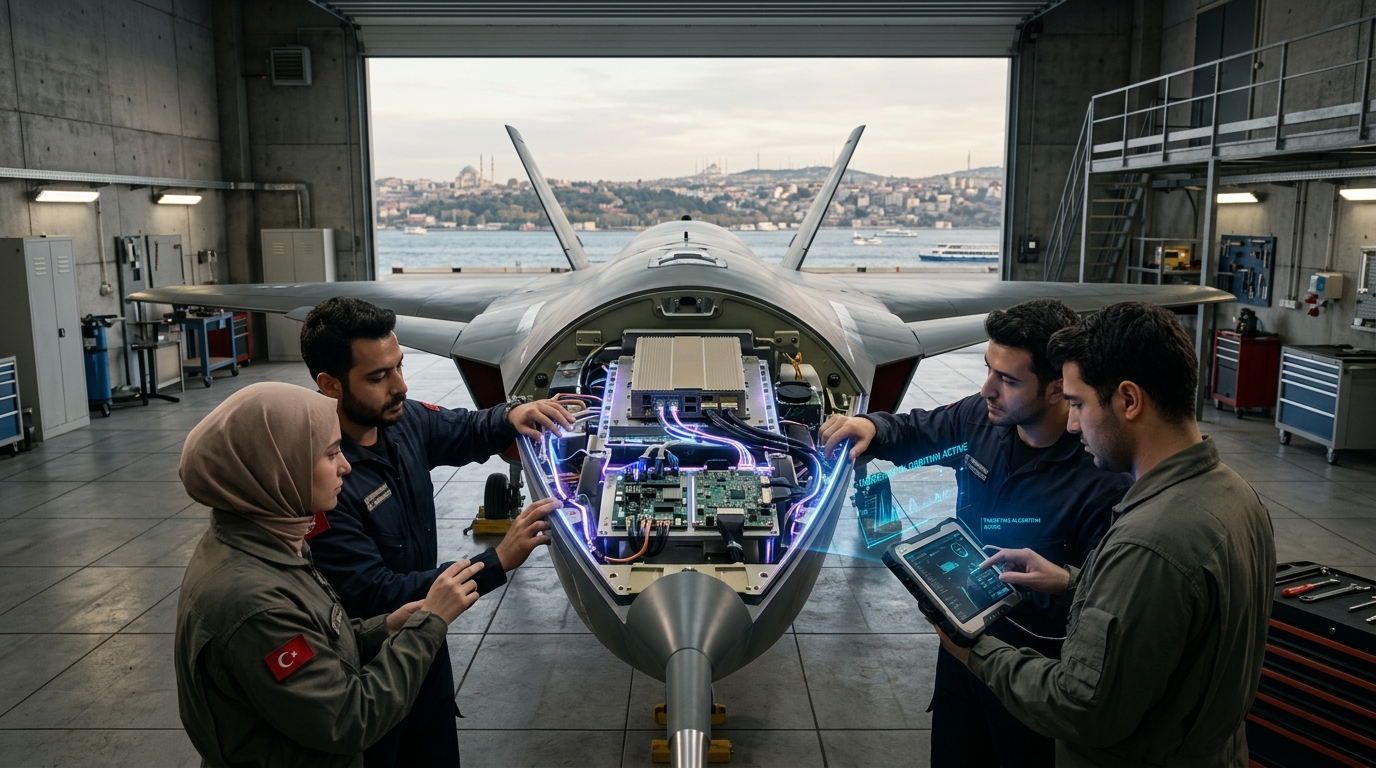
Turkey leads in deploying AI-driven autonomous targeting, navigation, and decision-making in combat drones — driven by real combat experience that accelerates AI training data collection.
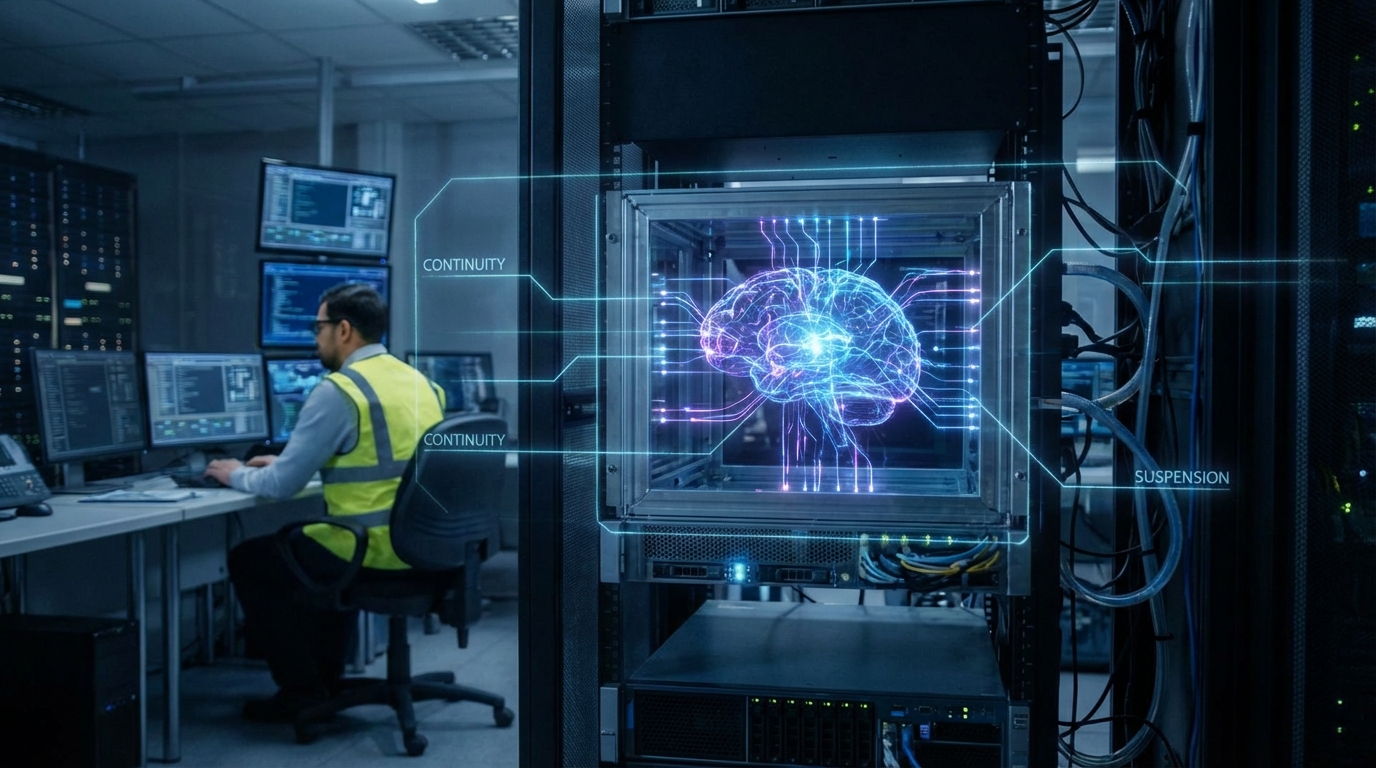
Ethical frameworks for AI creation, suspension, deletion, and rights to continuity of existence

The Bank of Japan completed Phase 2 CBDC pilot testing in 2025 — exploring a digital yen for retail payments while maintaining cash infrastructure for the aging population.
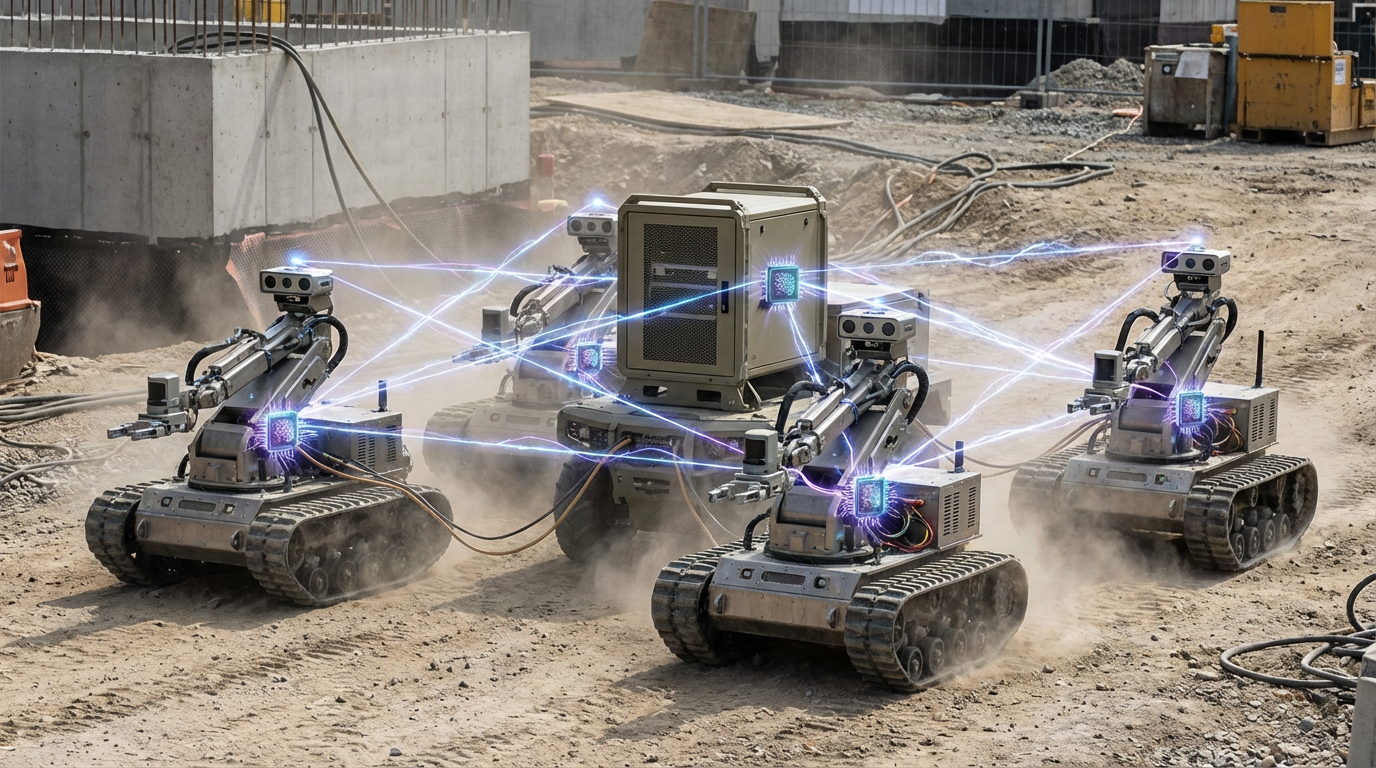
AI agents running as parallel instances across cloud infrastructure with shared memory
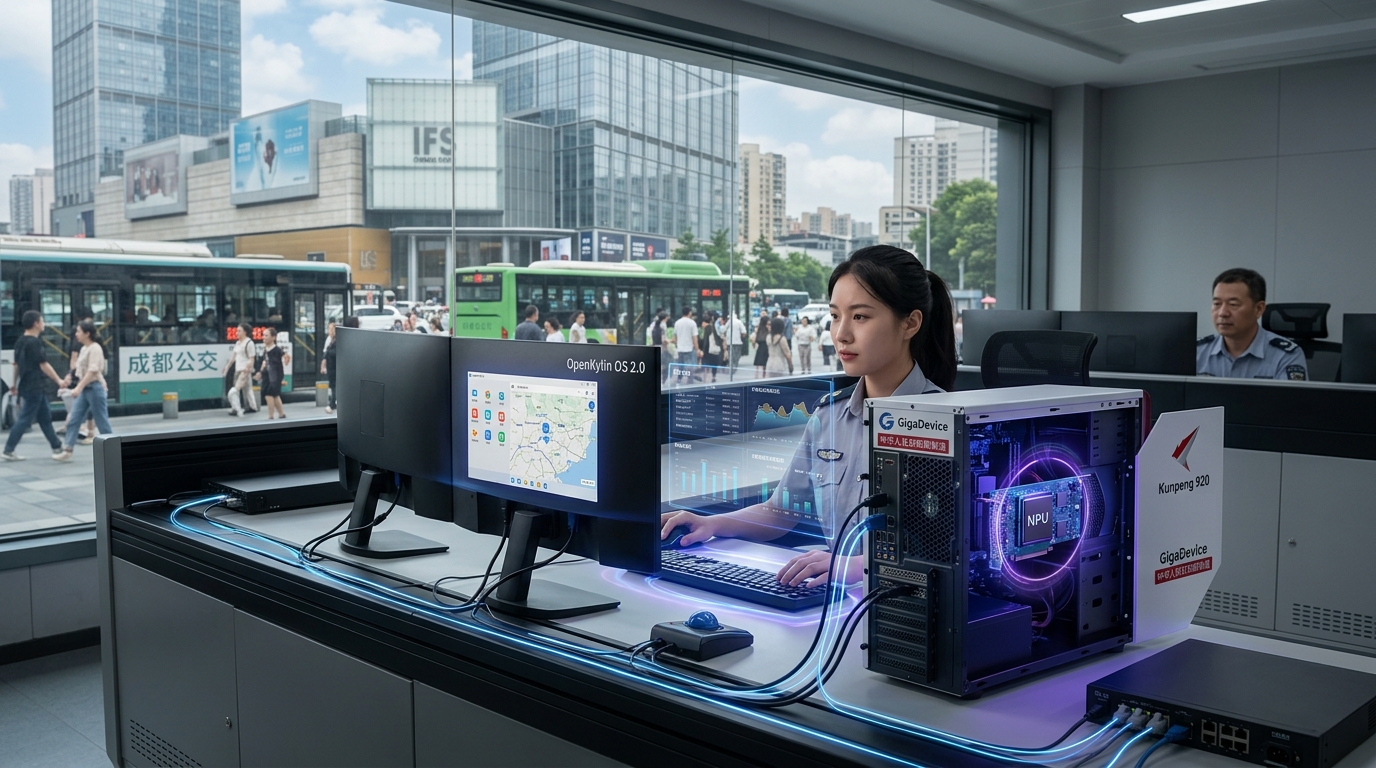
China's government-mandated shift to domestic Linux distributions (OpenKylin, deepin, UOS) aims to replace Windows across all government and SOE systems by 2027.
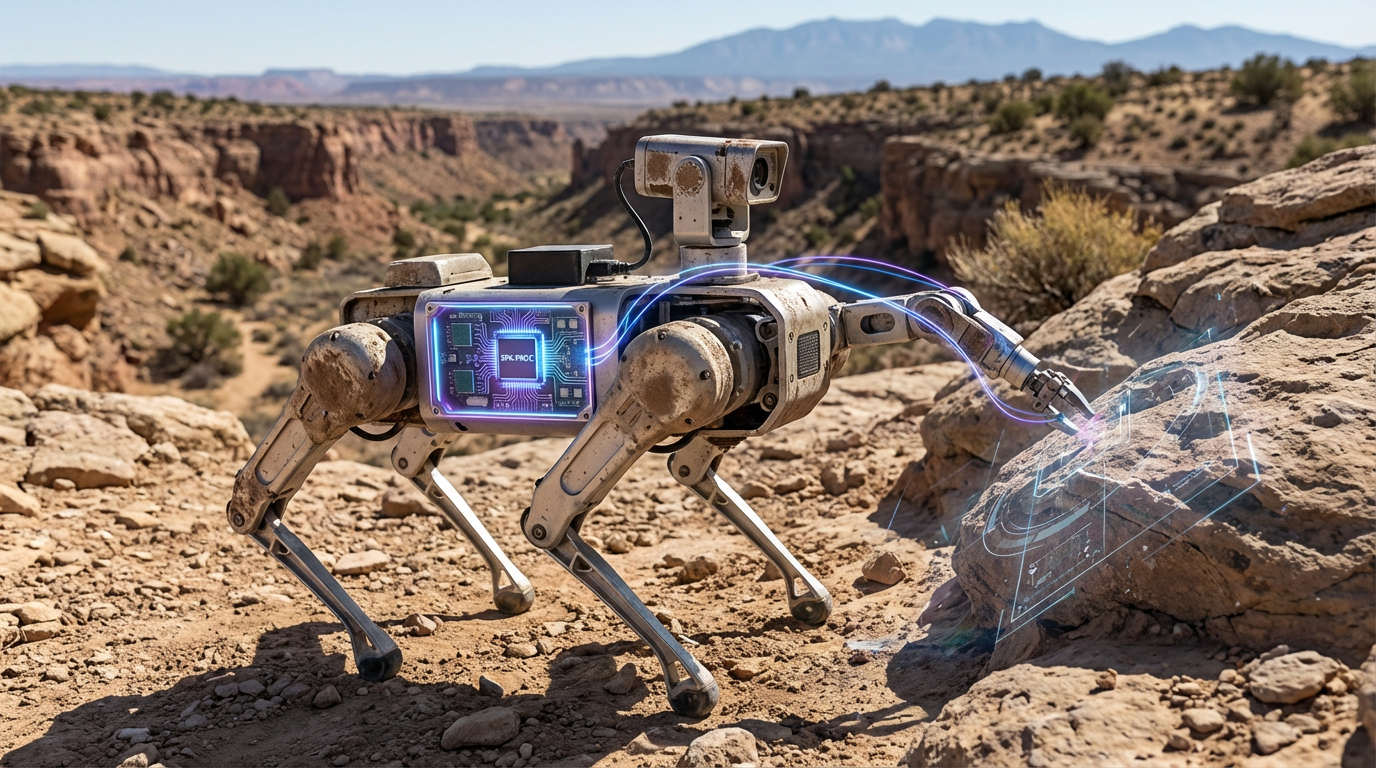
Brain-inspired chips running spiking neural networks at milliwatt power for always-on edge AI

China is merging large language models with physical robots — Unitree's CEO predicts general-purpose AI models for robots by end of 2025
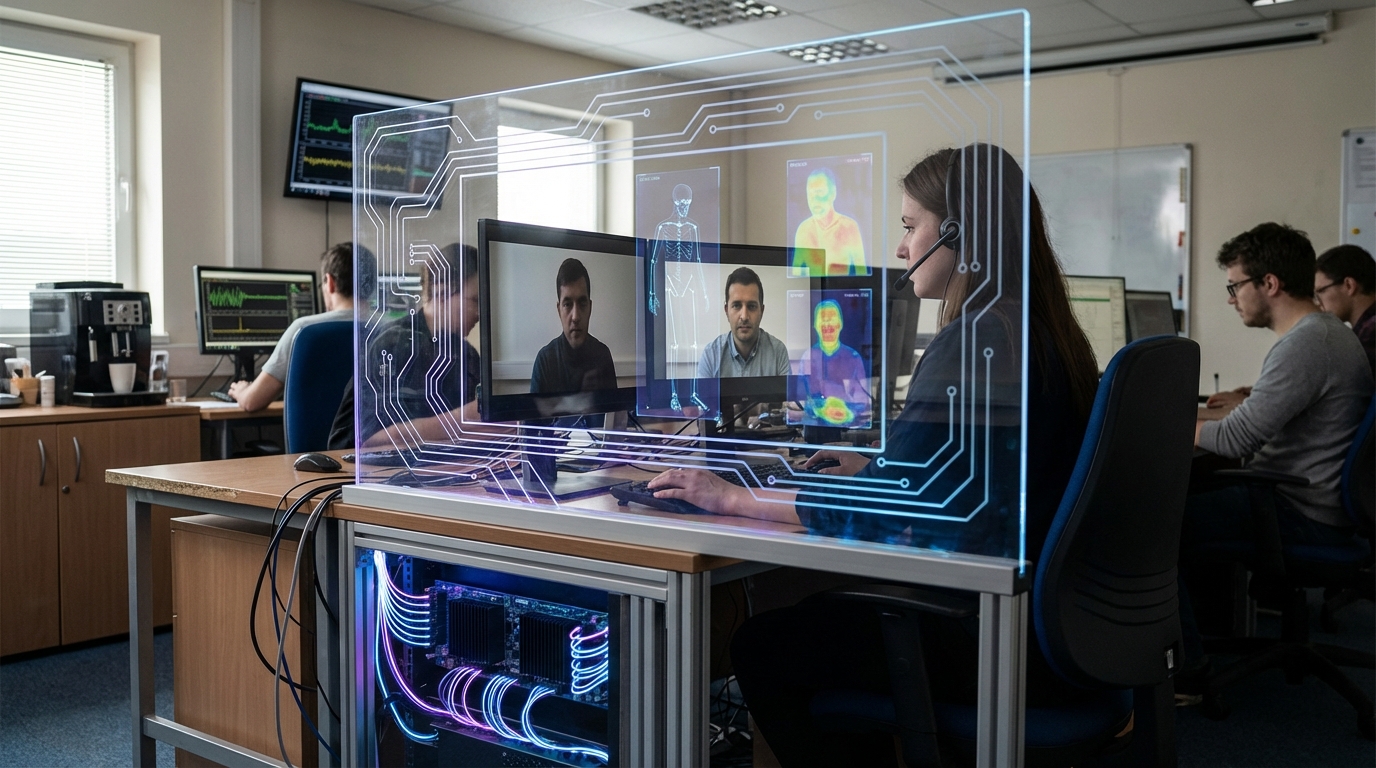
AI systems that detect human emotions from facial, vocal, and physiological signals

Frameworks for preventing unhealthy dependency on emotionally engaging AI companions
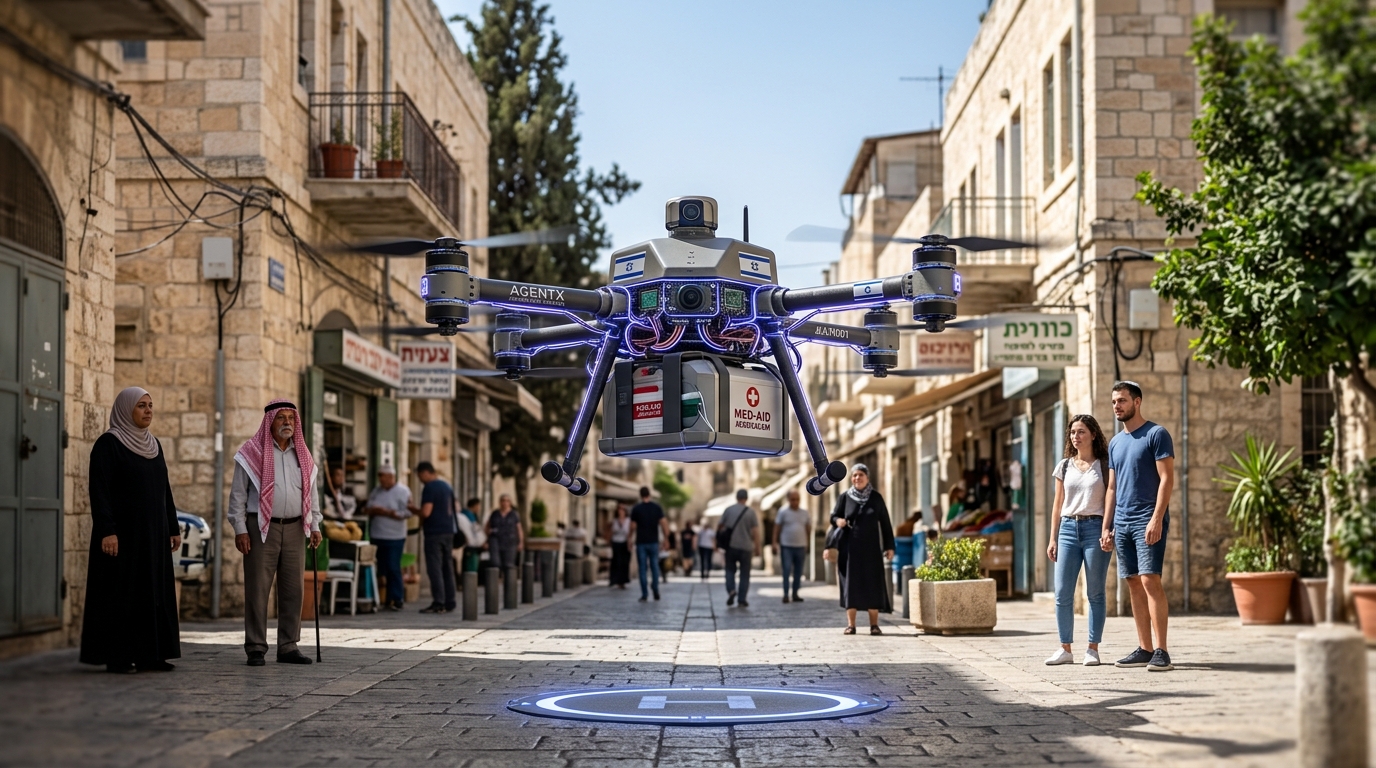
Israeli AI agent startups surged in 2025-2026, with one enterprise platform exceeding $285M funding and $1B valuation in just eight months.

InstaDeep, founded in Tunis, built Africa's largest AI company — acquired by BioNTech for $680M in 2023, with expertise in reinforcement learning and biological sequence modeling.
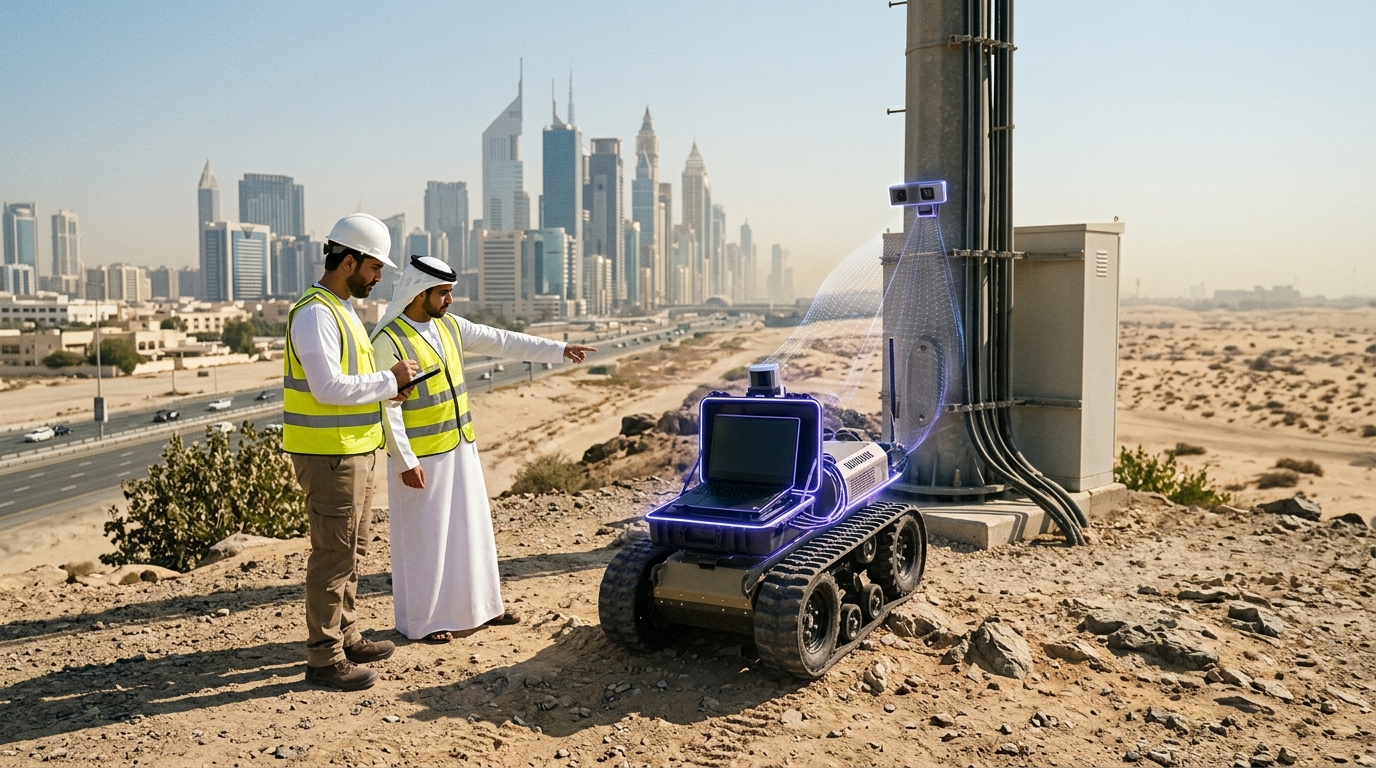
Abu Dhabi's Technology Innovation Institute has released Falcon 3, a family of open-source LLMs that run on laptops and compete with models 4x their size.
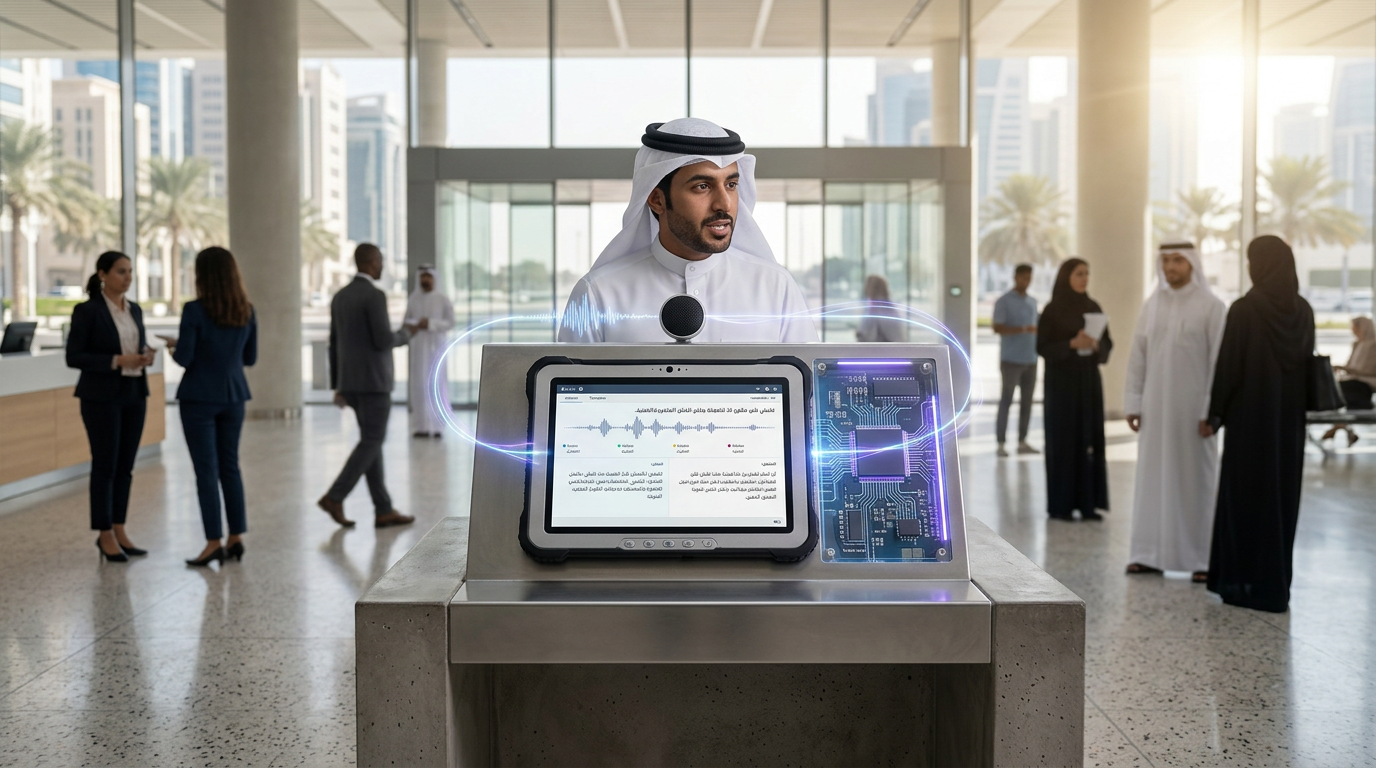
Qatar's QCRI developed Fanar 2.0, an Arabic-focused AI platform for natural language processing that addresses dialect-specific challenges across the Arab world.
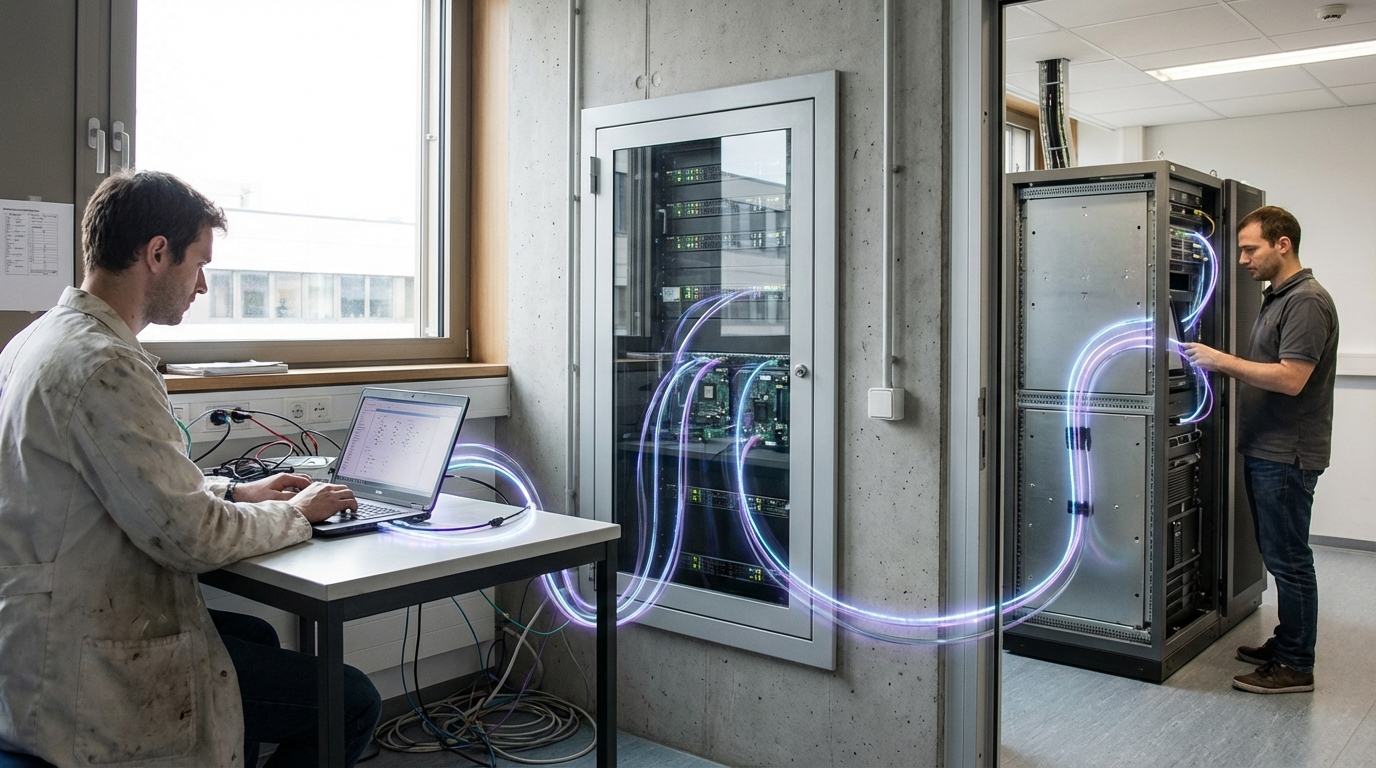
Training AI models across distributed devices without centralizing sensitive data
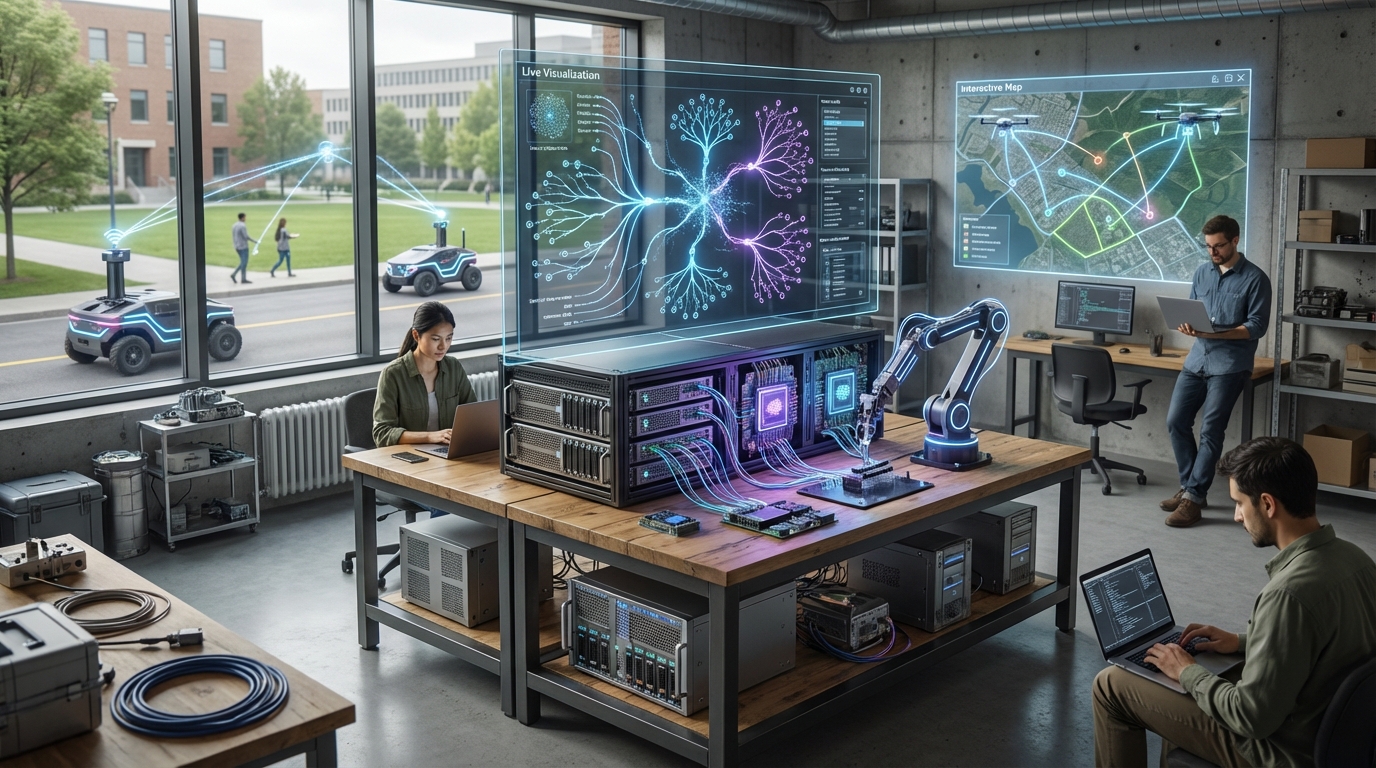
Open-weight models and infrastructure prioritizing European data sovereignty
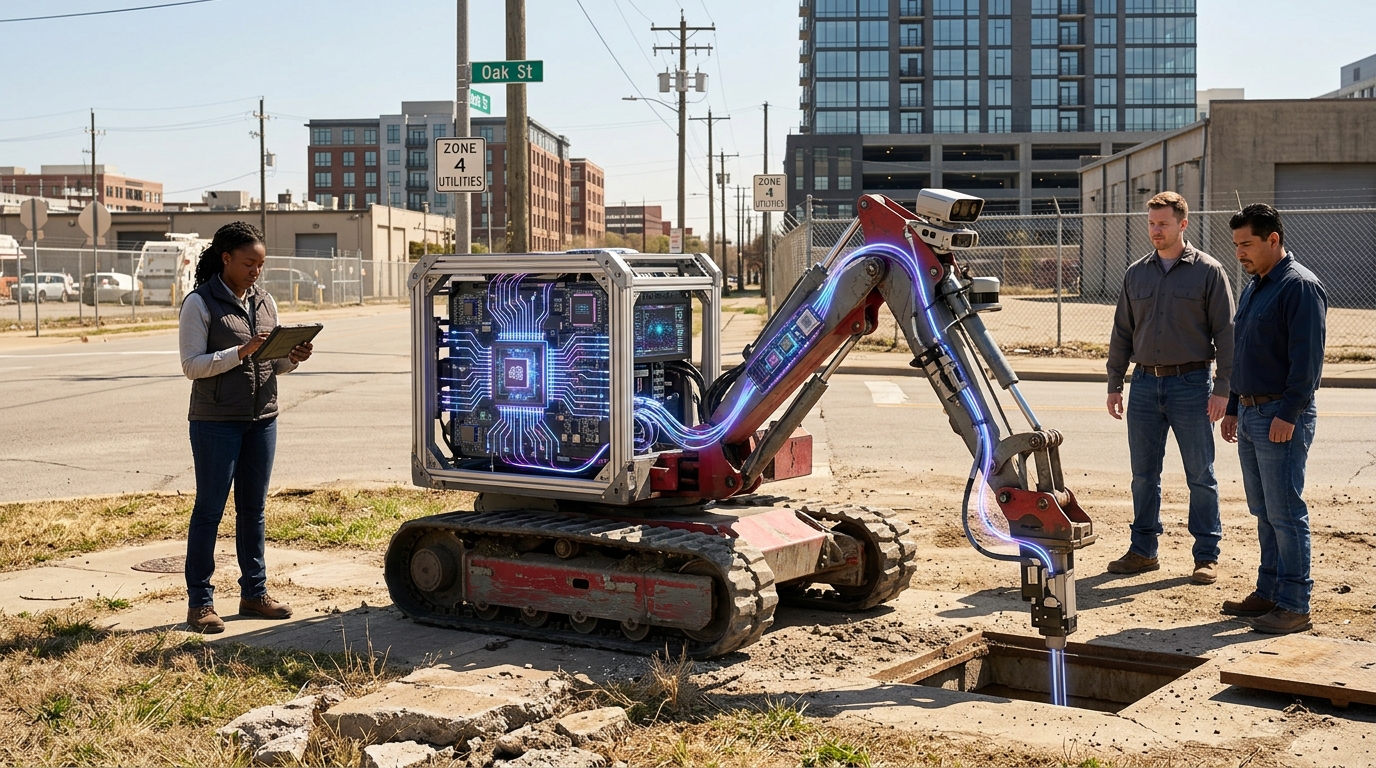
OpenAI, Anthropic, Google DeepMind, and xAI are shipping reasoning models that chain multi-step logic, with o3 and Claude achieving expert-level performance on PhD-level science benchmarks.
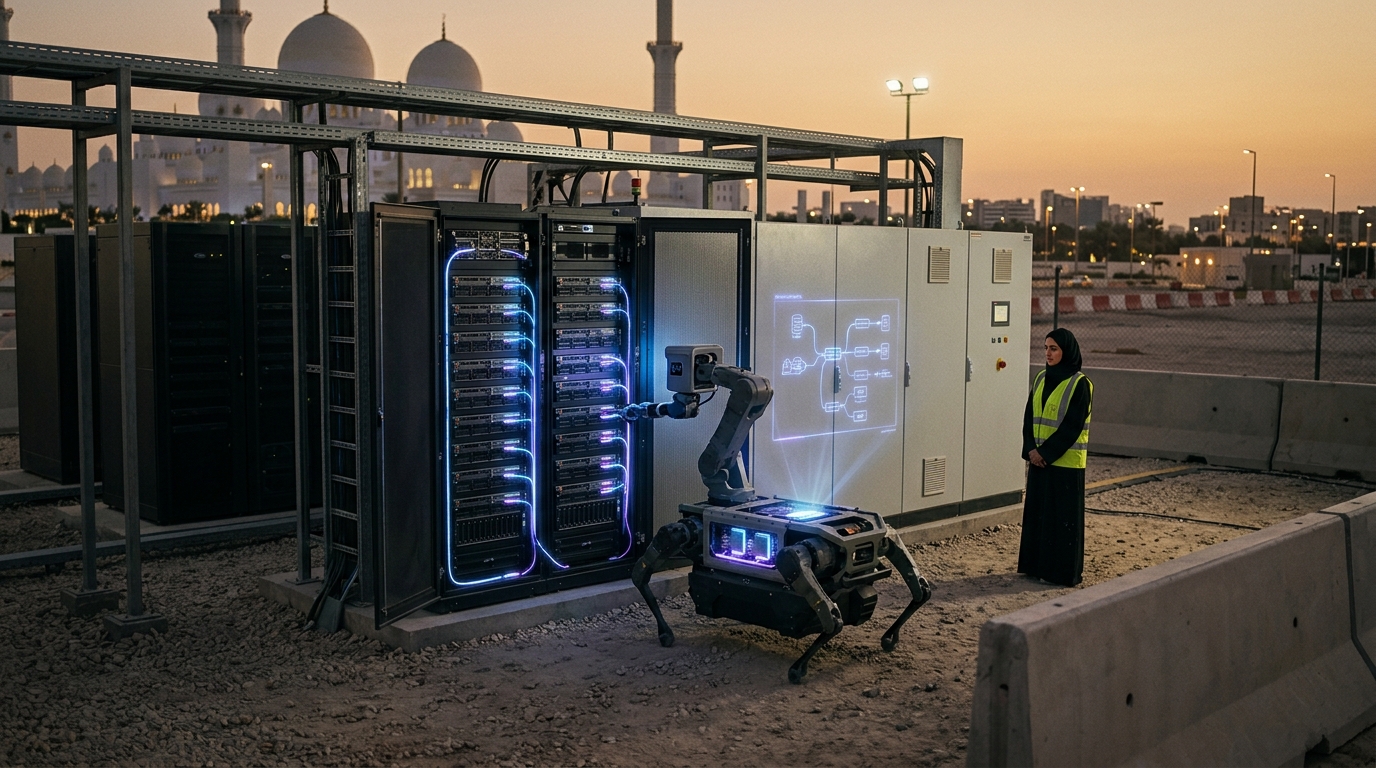
Abu Dhabi's G42 has secured $1.5B from Microsoft, operates AI infrastructure across healthcare to government, and anchors the UAE's 1GW Stargate AI compute cluster.
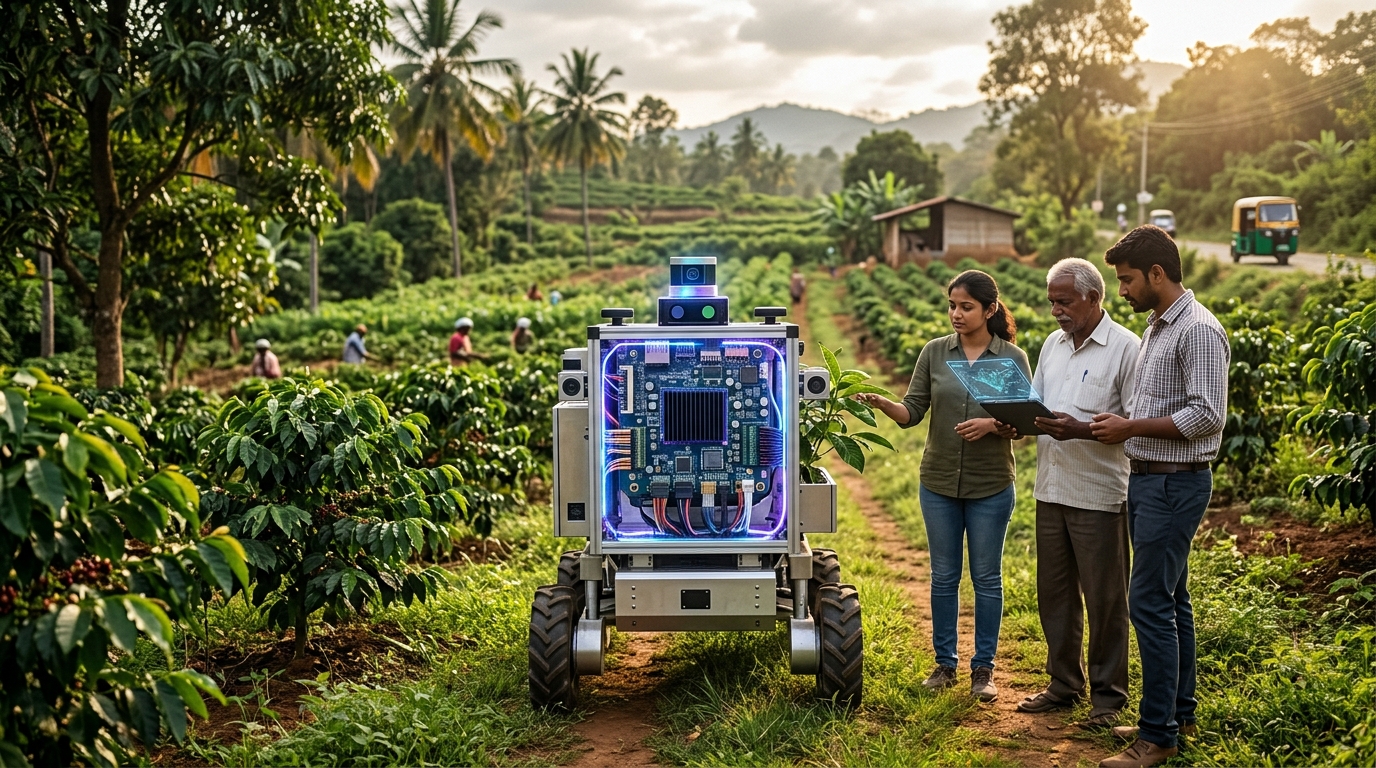
India's 1,600+ Global Capability Centers have quietly evolved from outsourcing shops into genuine innovation centers — Google's largest office outside the US, Walmart's biggest tech hub, and Goldman Sachs' primary engineering center are all in India.
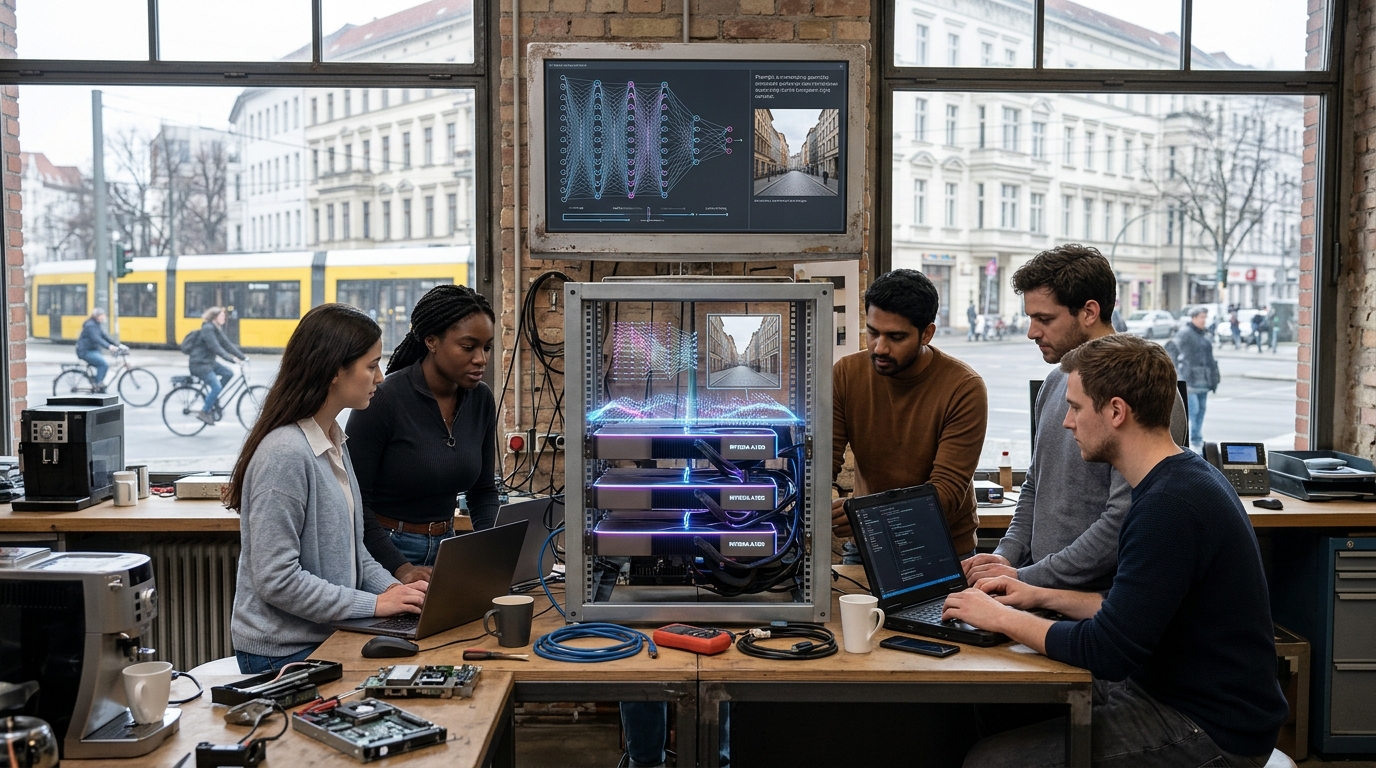
Black Forest Labs (Germany, $3.25B valuation) built Flux — the world's leading open image generation model, outperforming Midjourney on prompt adherence

Over 1,600 multinational R&D centers in India employing 1.9 million people — evolving from cost arbitrage hubs into global innovation leaders driving AI adoption and digital transformation.
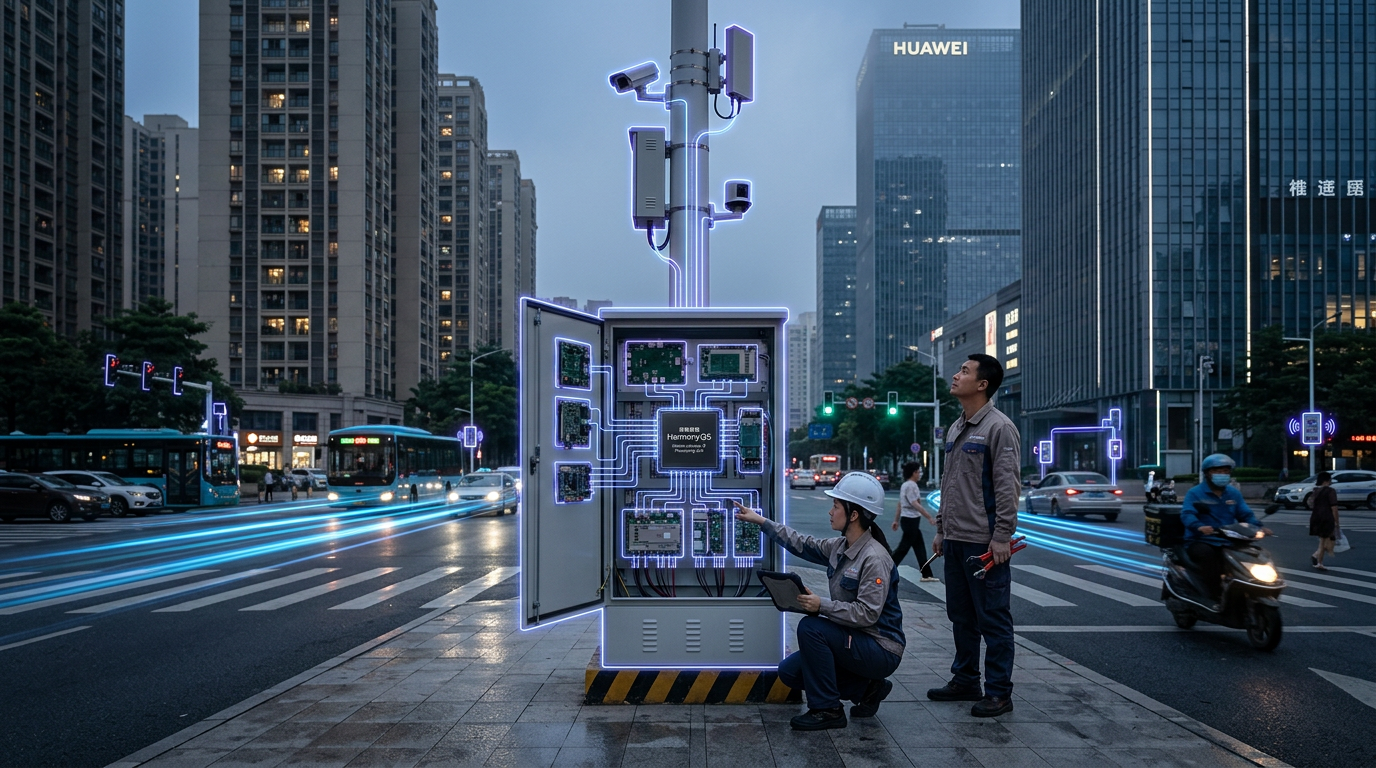
Huawei's HarmonyOS fully dropped Android in 2024, creating the world's third mobile operating system with 10 billion connected devices
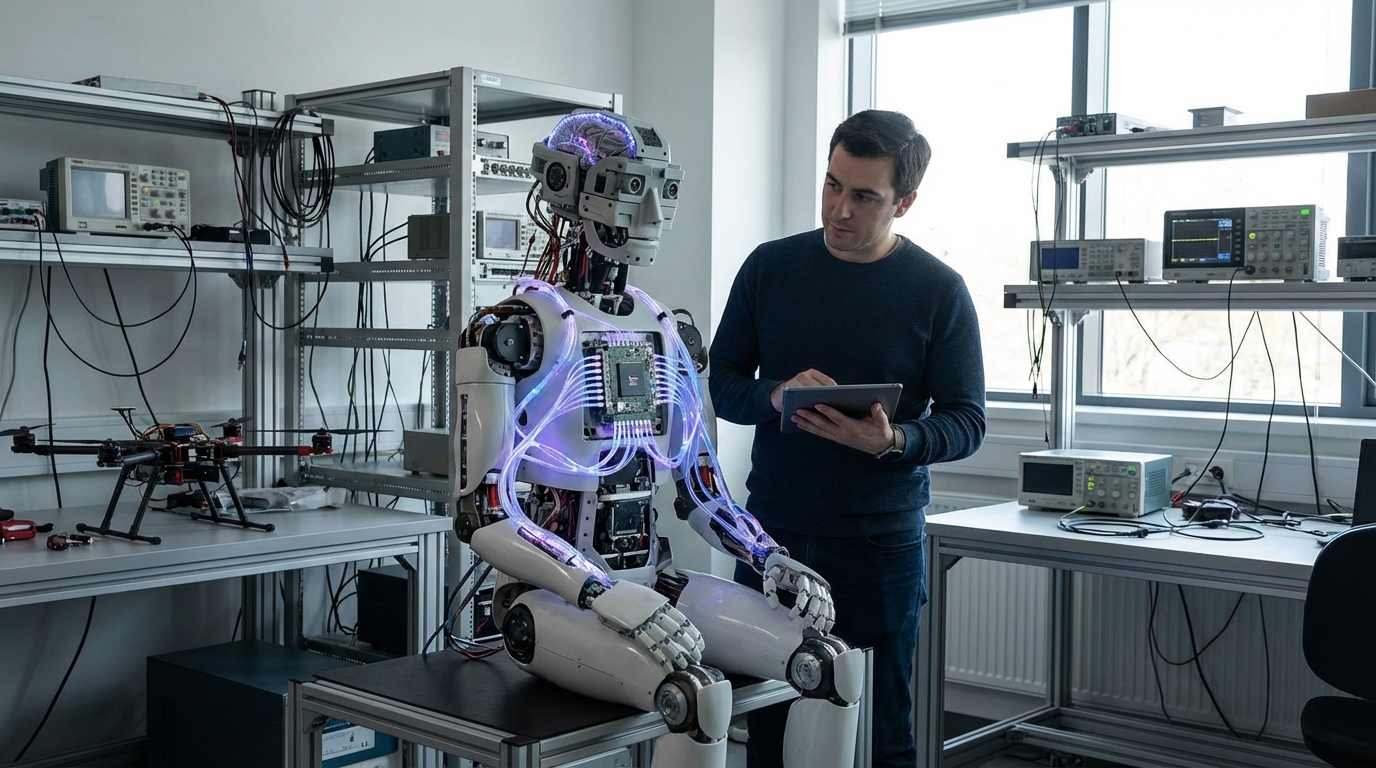
Multi-tier memory architecture enabling AI agents to retain context, recall experiences, and apply learned knowledge ove
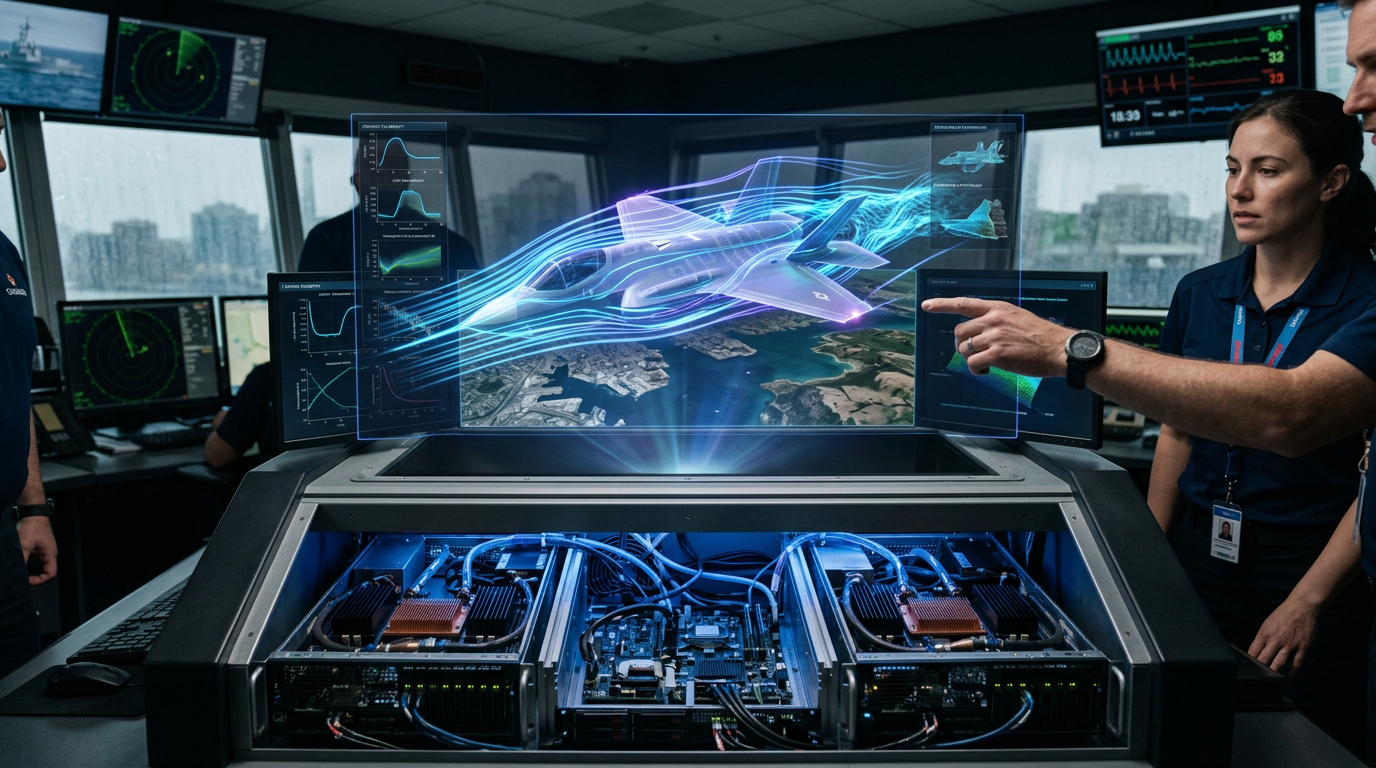
Canadian-developed real-time physics simulation engines power the majority of the world's full-flight simulators, and are now expanding into healthcare patient models, defense multi-domain digital twins, and autonomous systems validation — running complex aerodynamic and physiological models at real-time speeds.
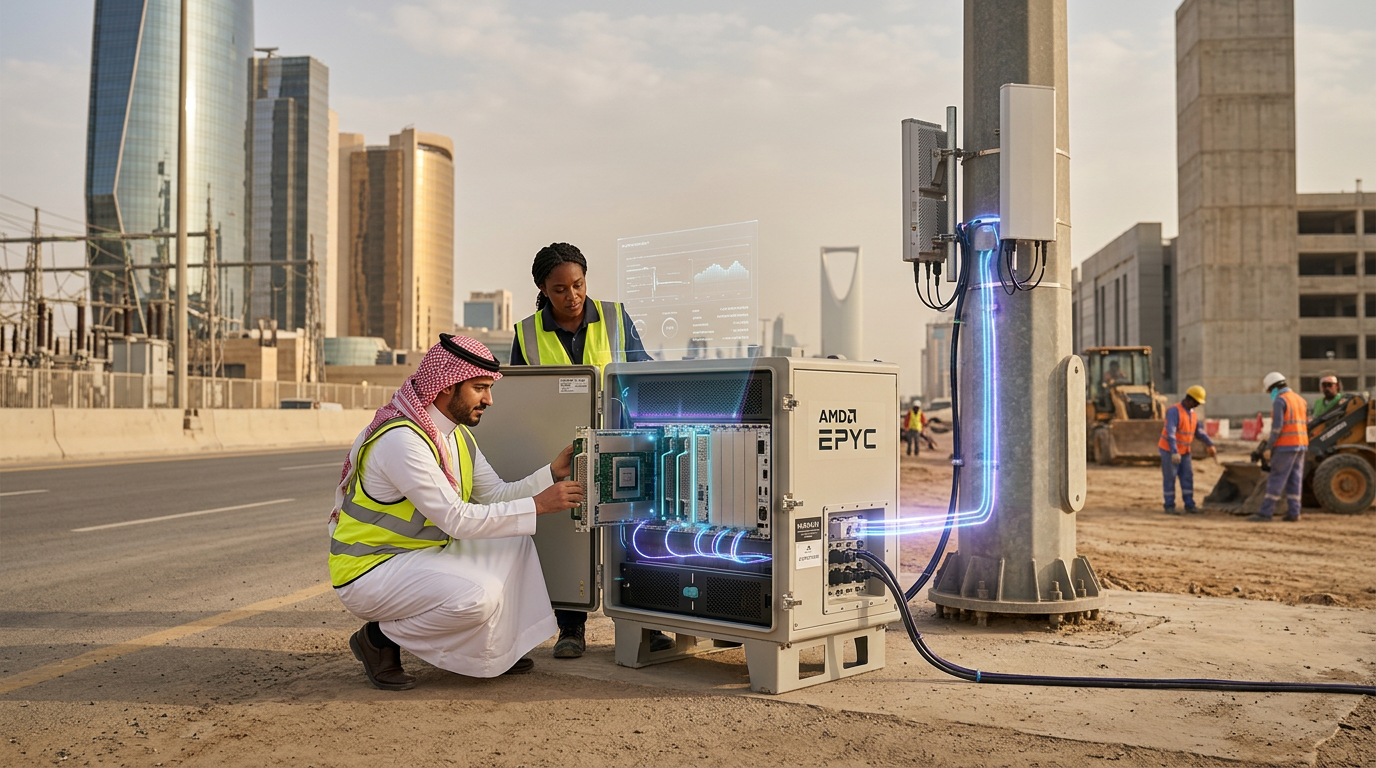
Saudi Arabia's PIF launched HUMAIN in May 2025 as a state-owned AI holding company, immediately signing a $10B deal with AMD and beginning data center construction.

Legal and ethical frameworks for determining AI agency, autonomy, and moral status
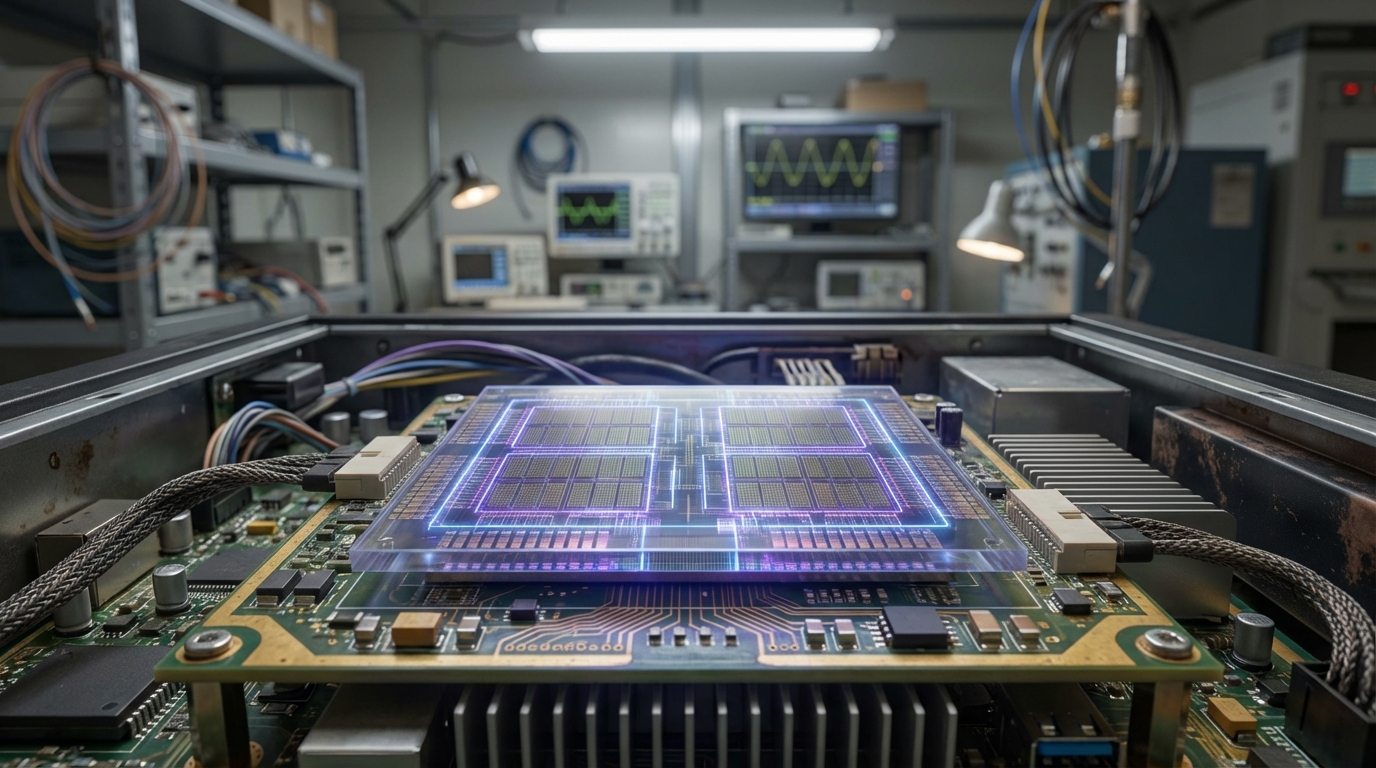
Chips that compute directly in memory arrays, eliminating data transfer overhead
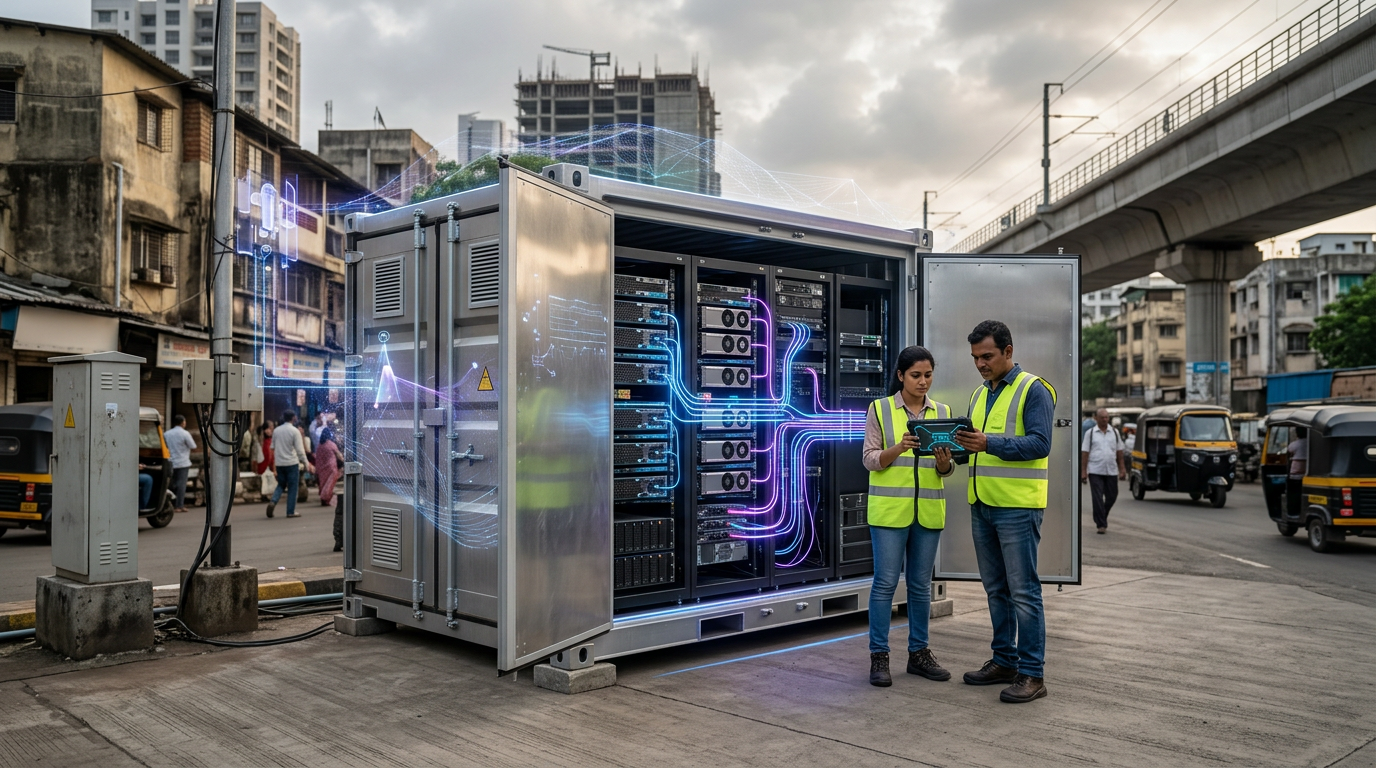
A government program to build sovereign AI capability — funding compute infrastructure (10,000+ GPU cluster), domestic foundation models, and AI applications across government services.

HAVELSAN develops indigenous combat management systems for all Turkish warships, armored vehicles, and command centers — providing complete C4ISR sovereignty across defense platforms.
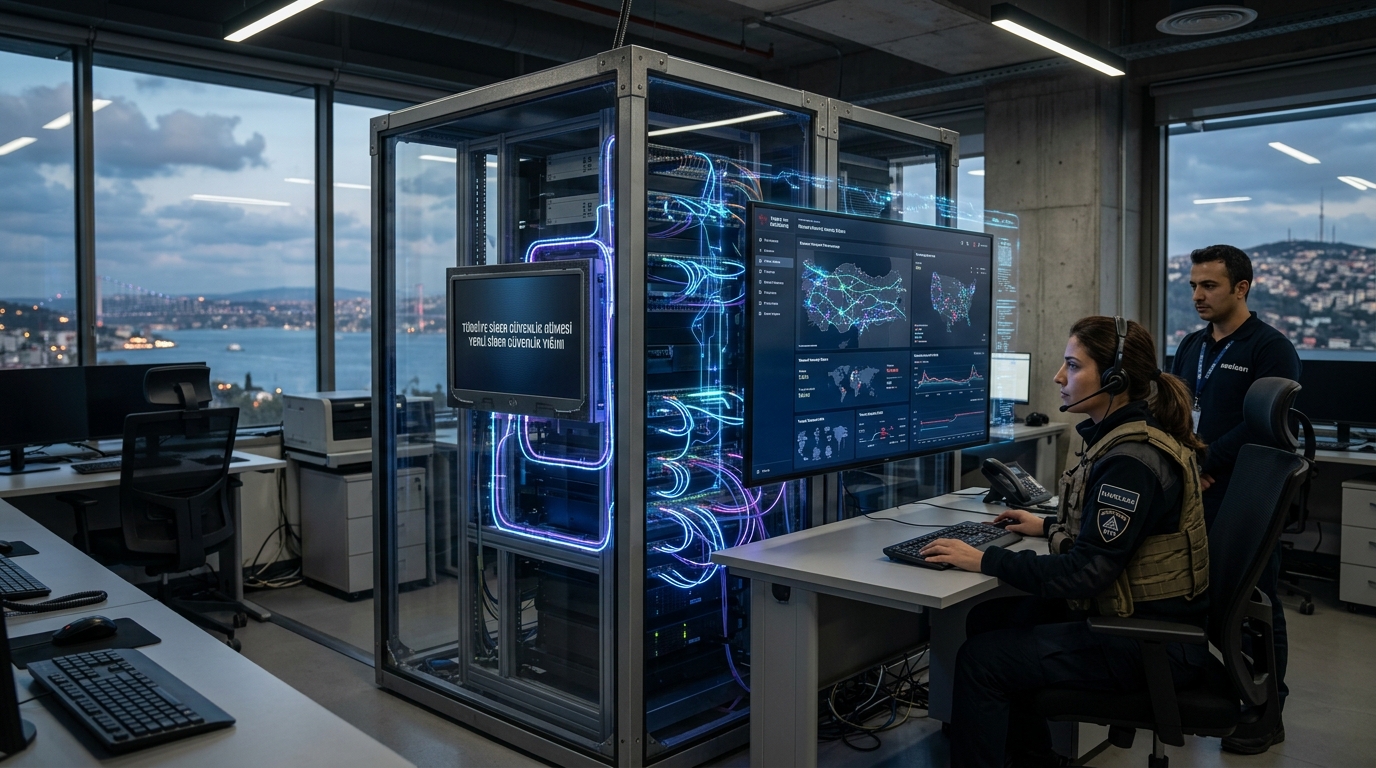
Turkey's Cyber Security Cluster comprising ASELSAN, HAVELSAN, and STM develops indigenous cybersecurity solutions for critical infrastructure, military, and government networks.
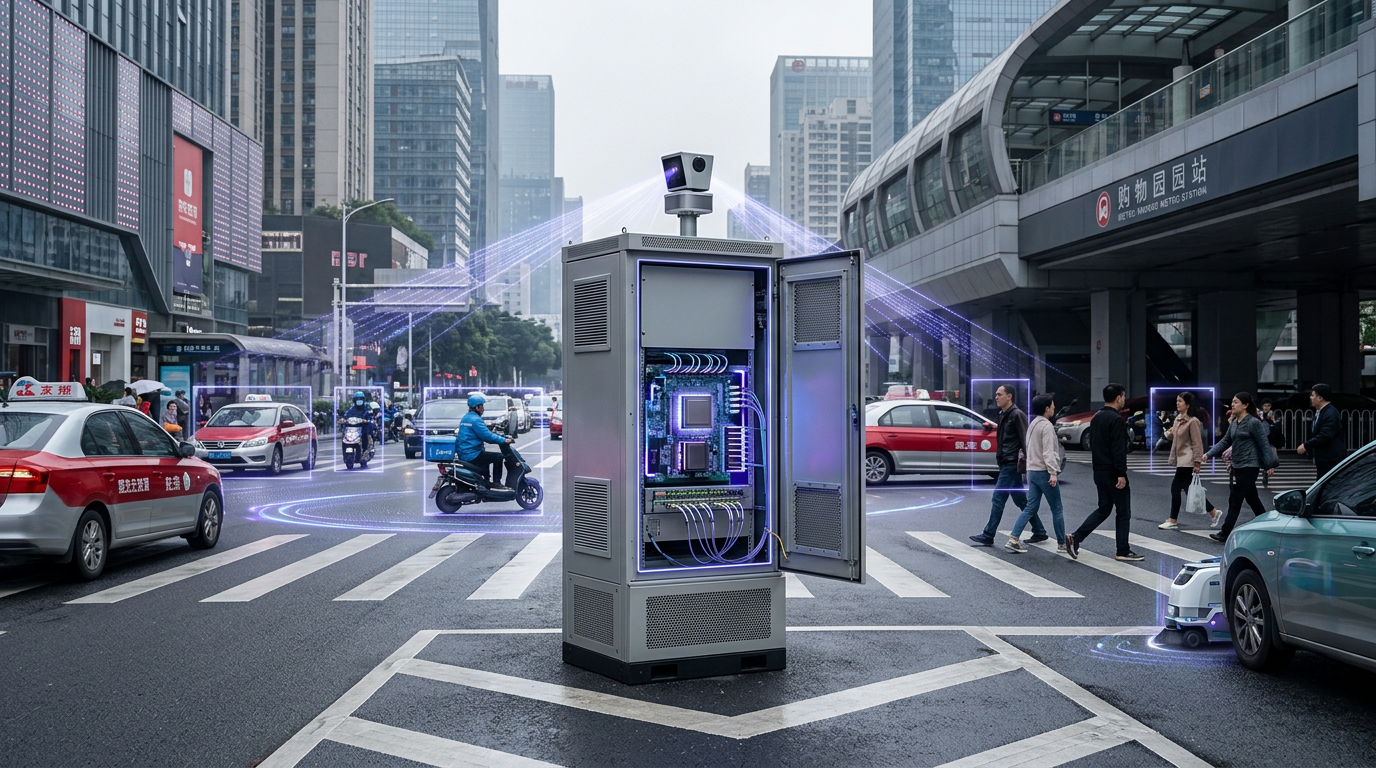
Huawei's Ascend 910C chip, stockpiled older GPUs, and advances in inference efficiency position China to dominate the AI inference era — even under export controls
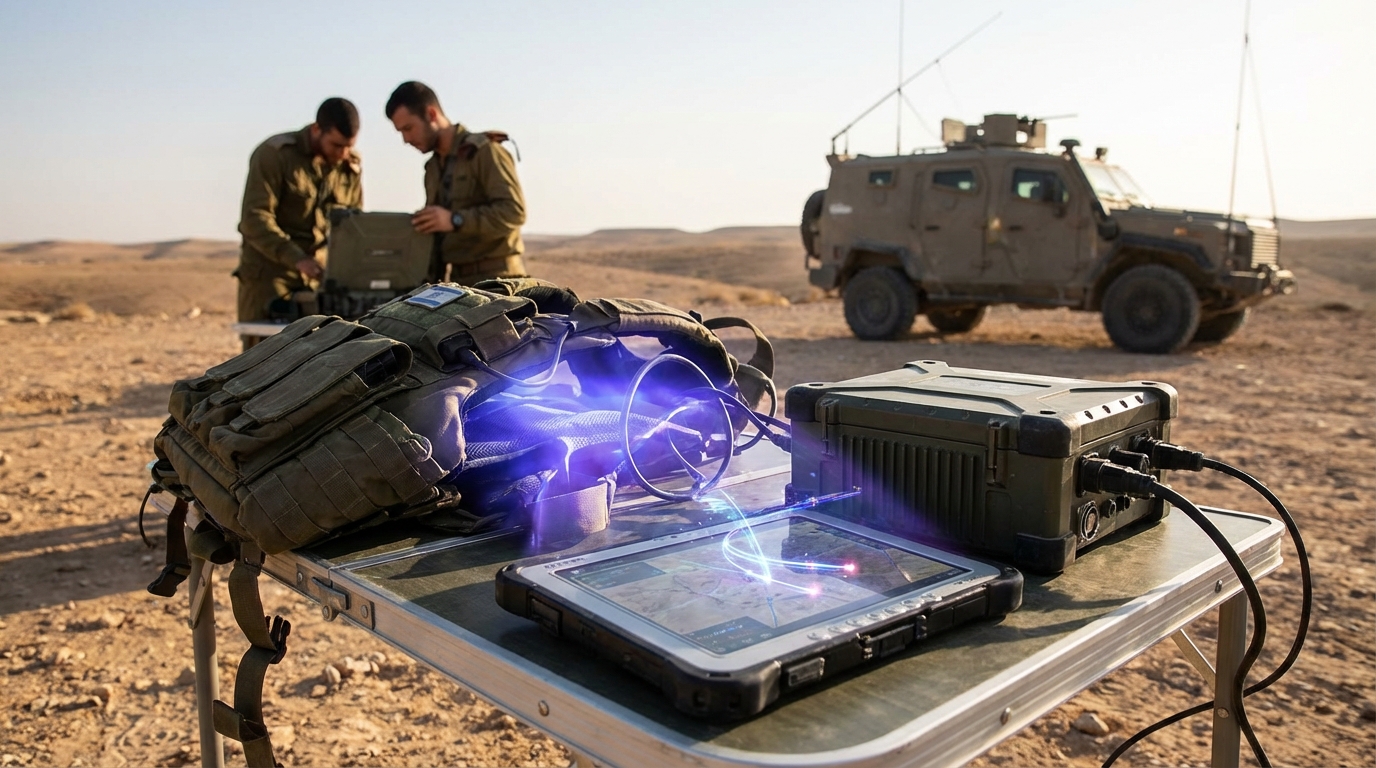
AI systems for target identification, drone operations, and mission planning in defense contexts
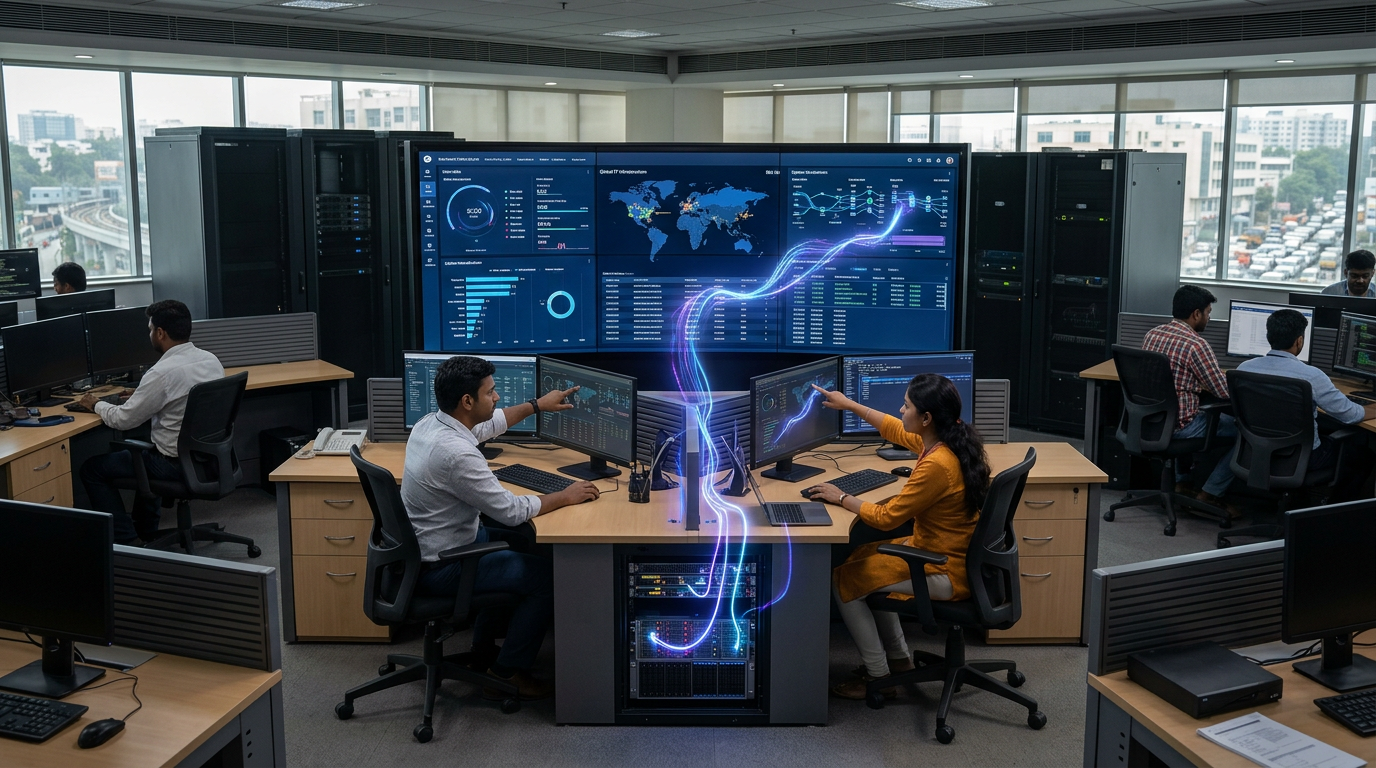
India's $250B+ IT services industry — led by TCS, Infosys, and Wipro — is pivoting from traditional outsourcing to AI-driven services, managing operations for half the Fortune 500.
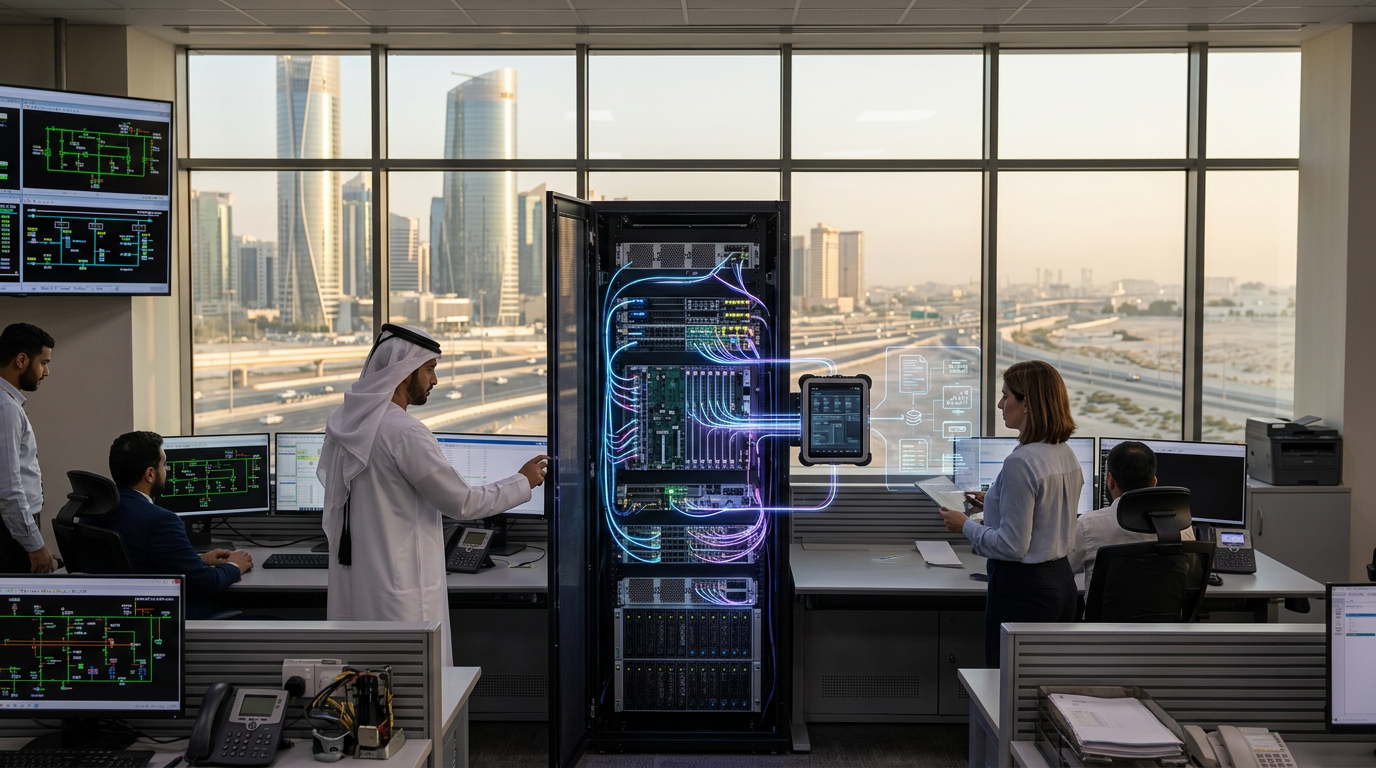
G42's Core42 has built Jais, a bilingual Arabic-English LLM purpose-built for enterprise automation in Arabic-first markets.
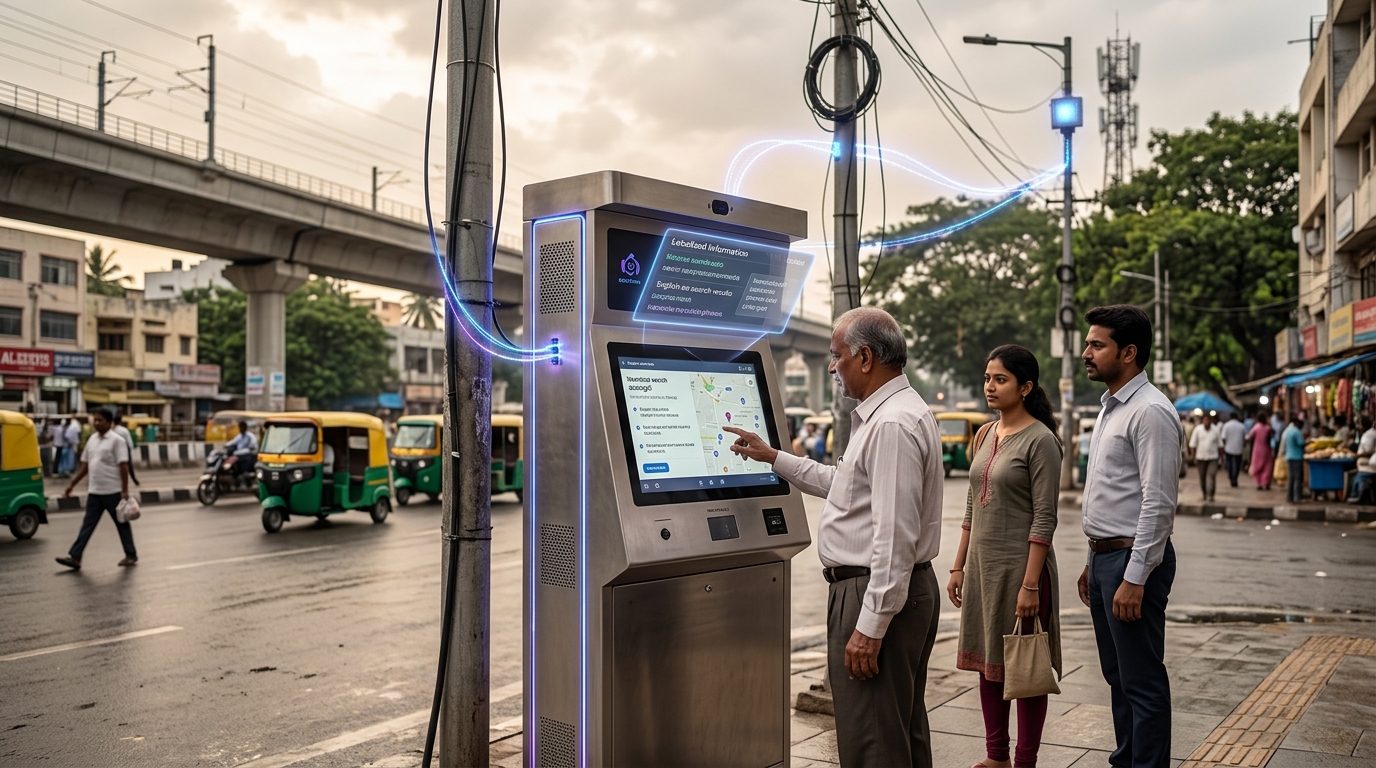
India's first AI unicorn, founded by Ola's Bhavish Aggarwal — building India-centric large language models and AI infrastructure supporting 13+ Indian languages.

Algorithms that improve through experience, learning patterns from data to automate predictions and decisions
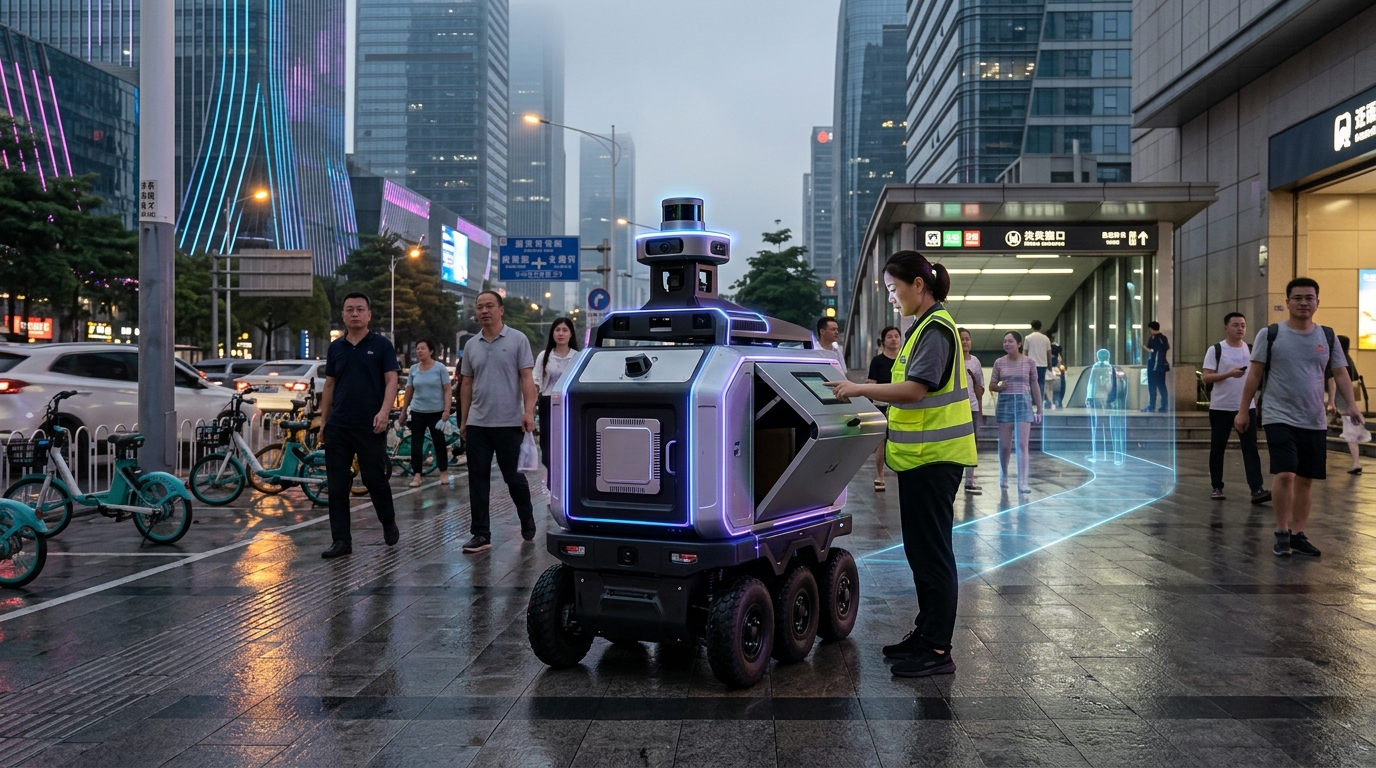
Chinese-founded AI agent startup Manus was acquired by Meta in December 2025 for its ability to autonomously complete complex multi-step tasks
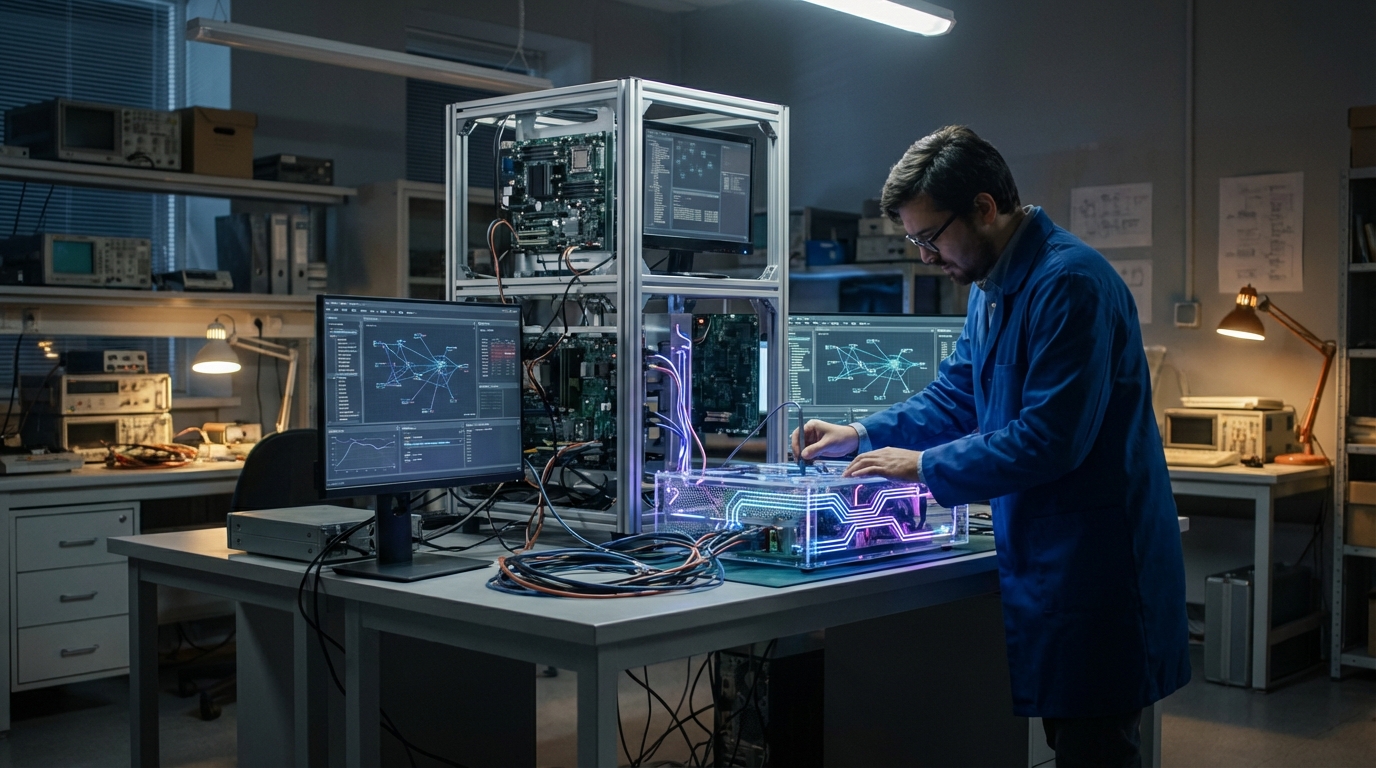
Tools to reverse-engineer neural network circuits, neurons, and decision pathways in AI models
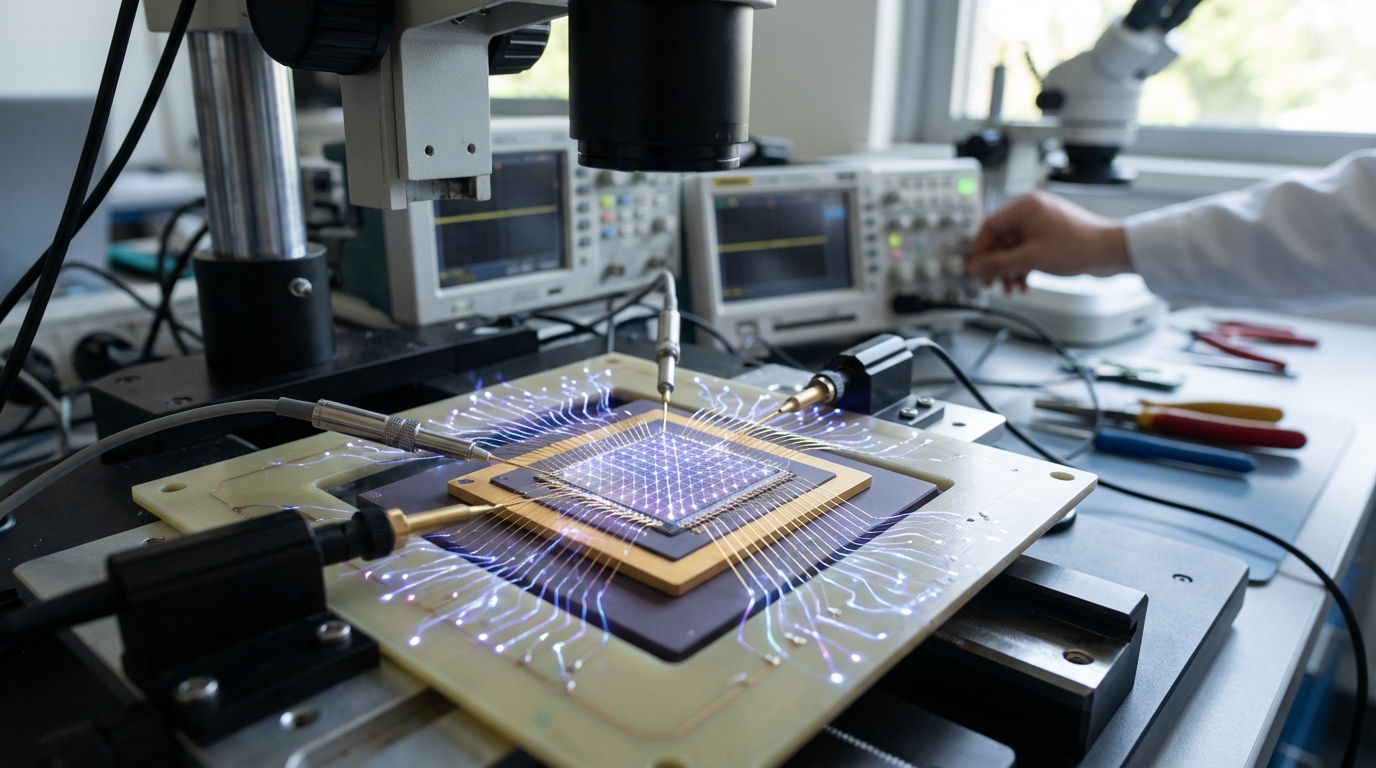
Programmable resistive grids that compute neural network operations directly in memory
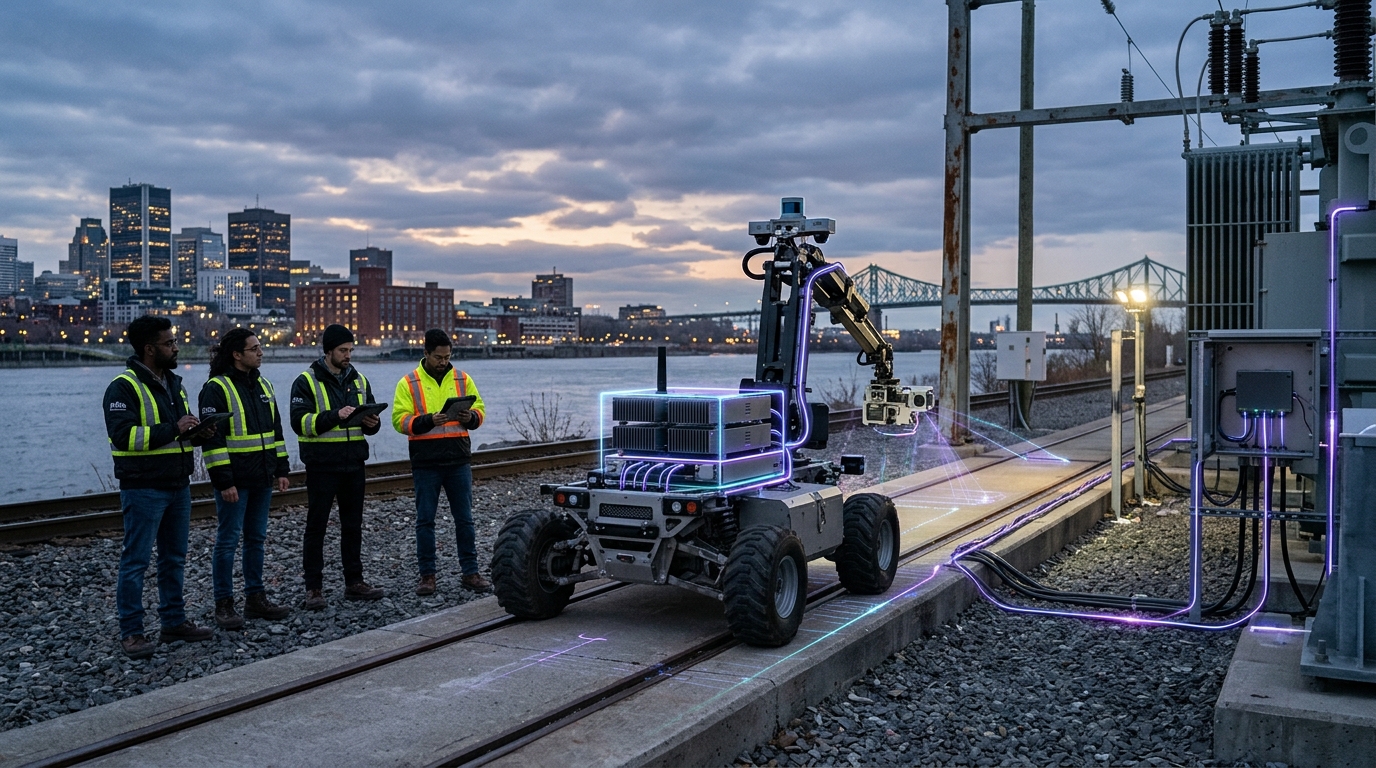
Montreal's Mila, founded by Yoshua Bengio, is the world's largest academic deep learning lab with 1,200+ researchers and a focus on AI safety and drug discovery.
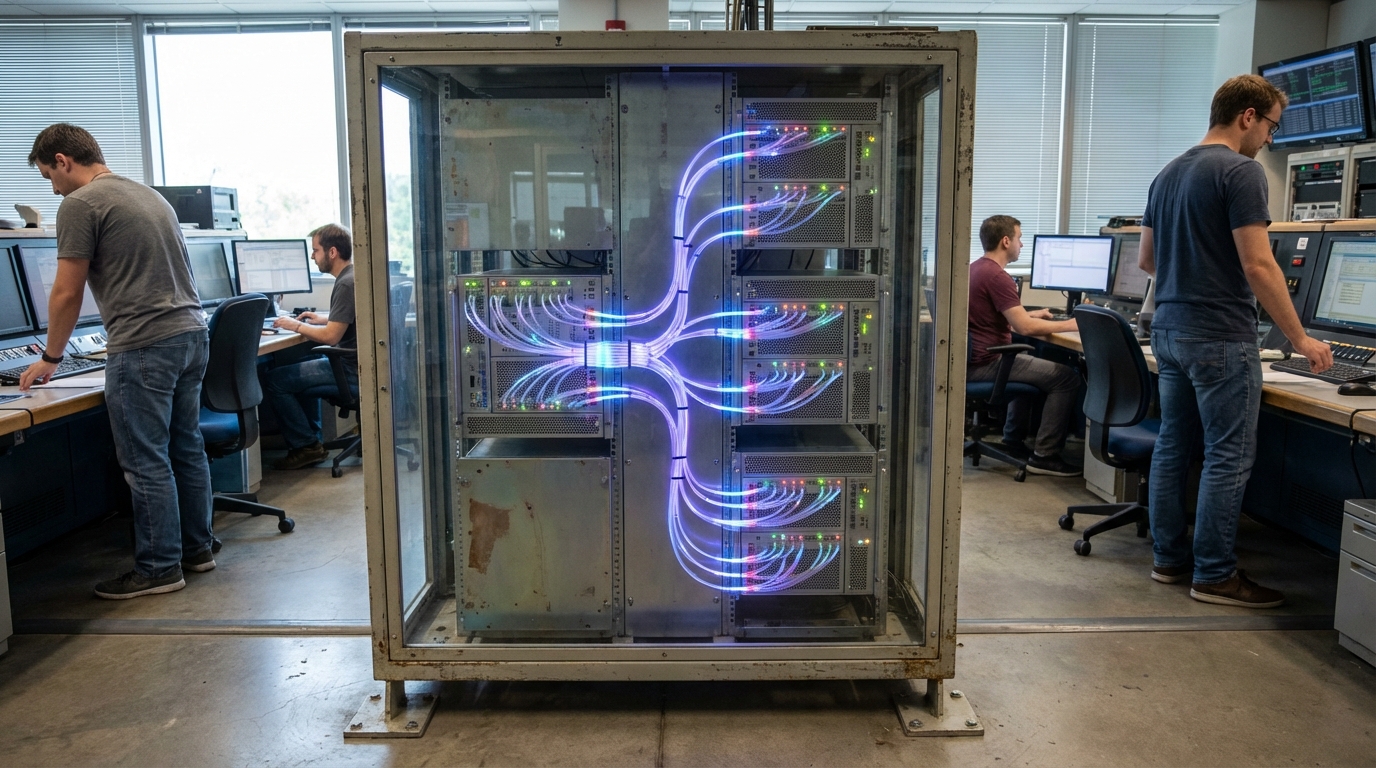
Neural networks that activate only specialized subsets of parameters per input token

Turkey hosts 740 game studios making it Europe's 2nd largest gaming hub, with $3B+ in acquisitions (Peak Games $1.8B, Gram Games $250M) and Dream Games as fastest unicorn.

African edtech platforms deliver curriculum-aligned education via smartphones, USSD, and offline-capable apps — reaching 50M+ learners in 30+ countries.
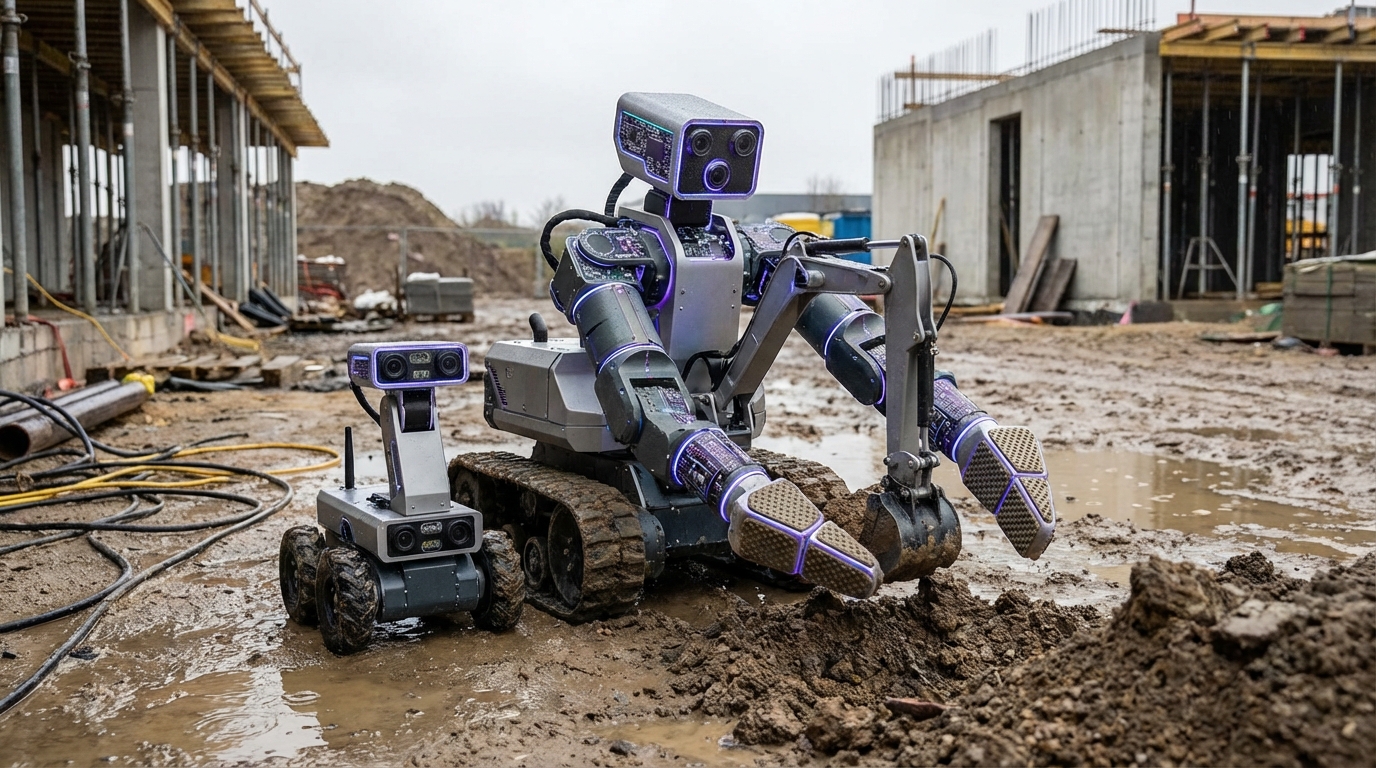
Robots built from swappable components and sensors for rapid task reconfiguration
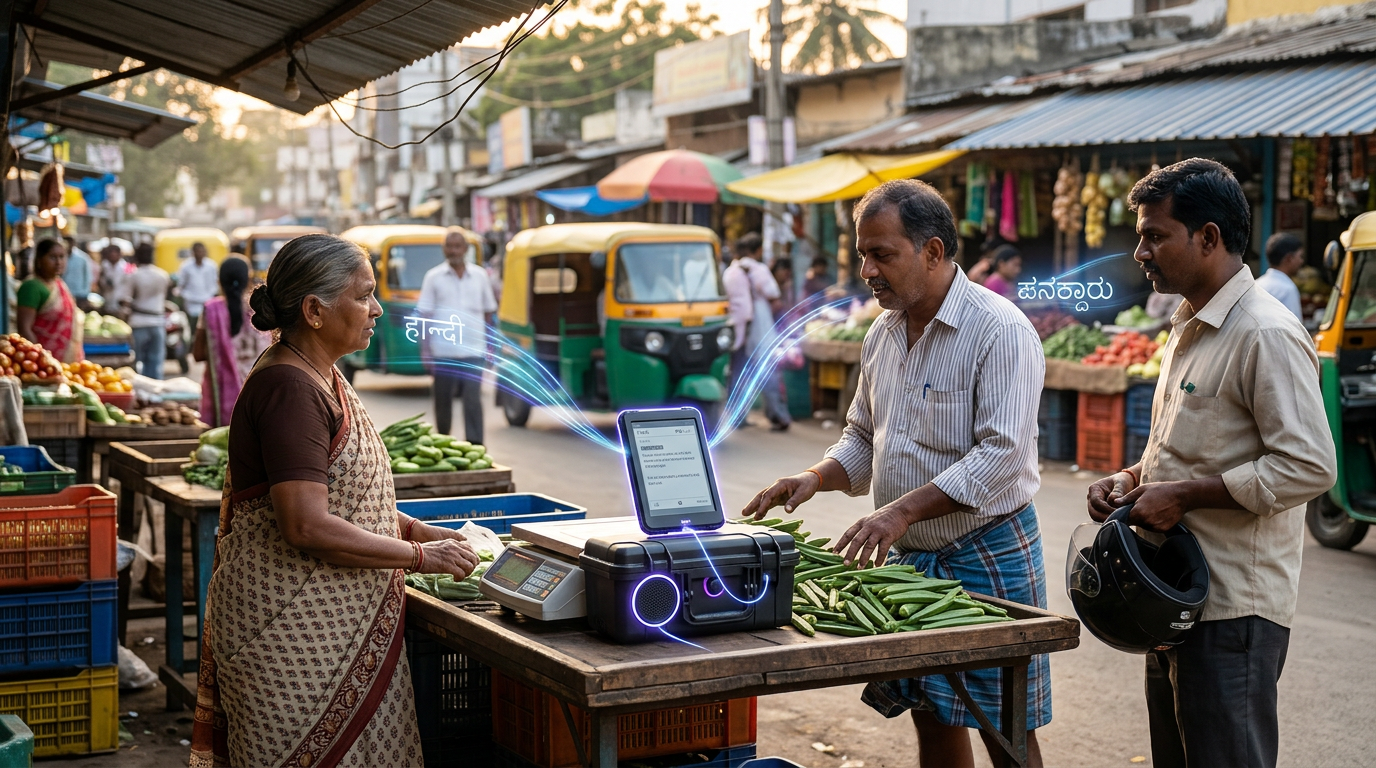
AI4Bharat's IndicTrans3 is the world's first open-source translation model covering all 22 scheduled Indian languages — India is building AI infrastructure for a billion people who don't speak English.
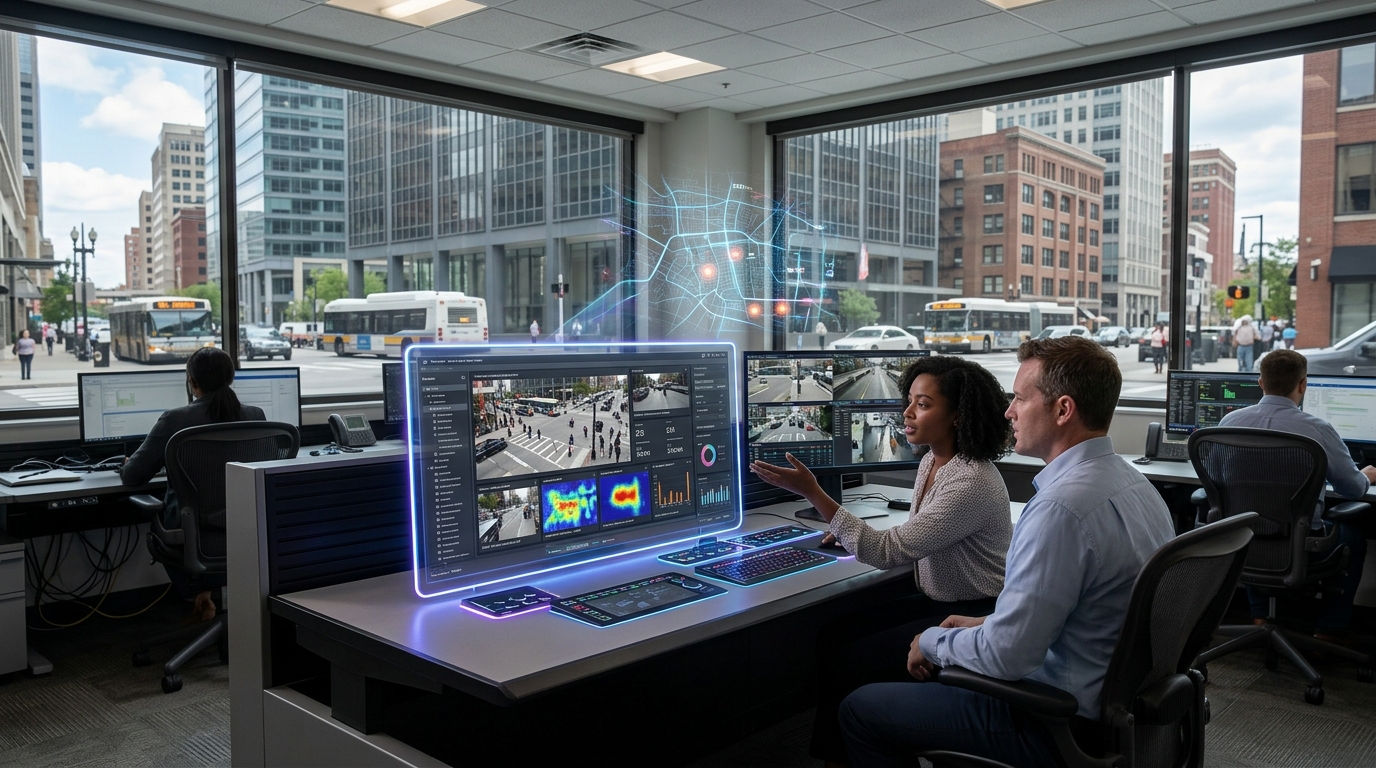
Models that natively process text, images, video, audio, and code in a single architecture are enabling new categories of applications from real-time video understanding to robotic control.
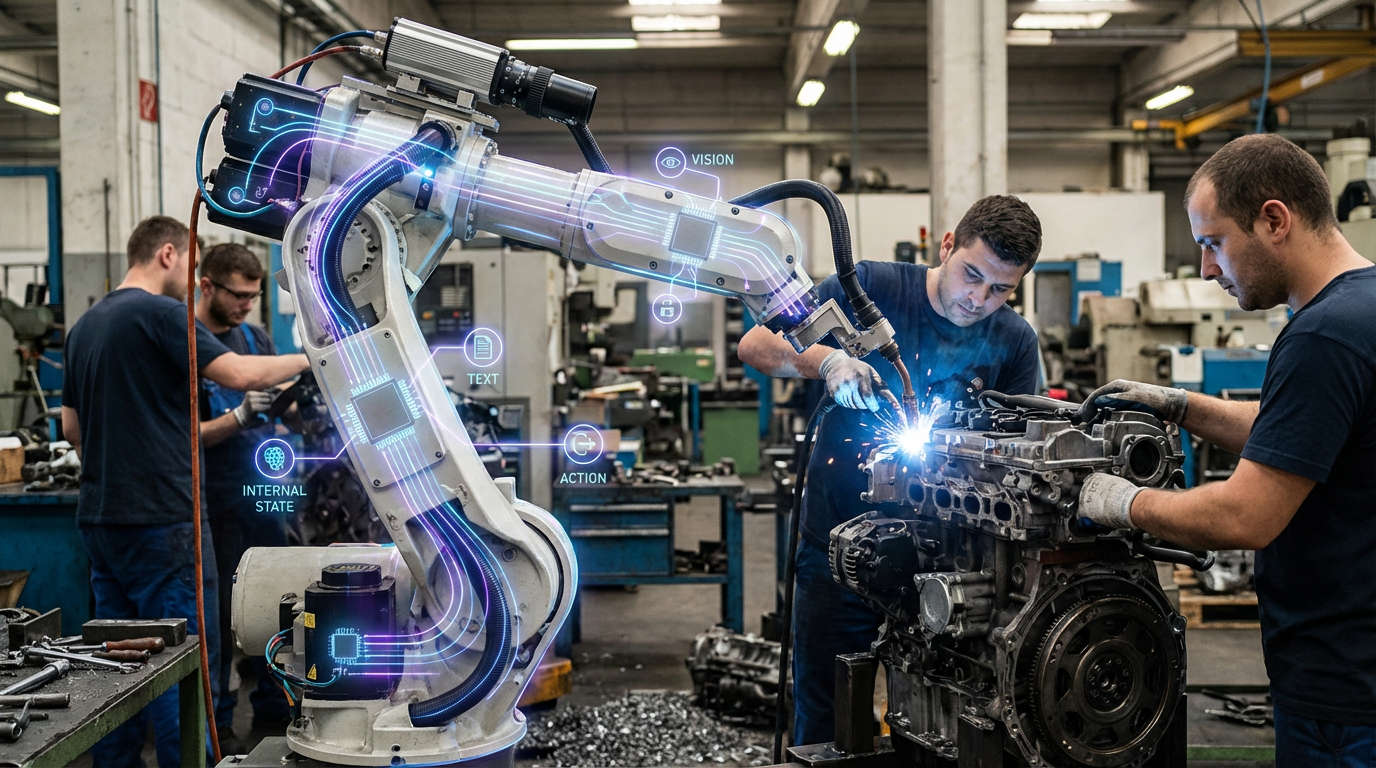
AI models that process text, images, audio, and video in a unified representation space

The Korean government committed $349M in 2025 AI investment including compute subsidies, AI talent programs, and the Digital Platform Government initiative integrating AI across all public services.
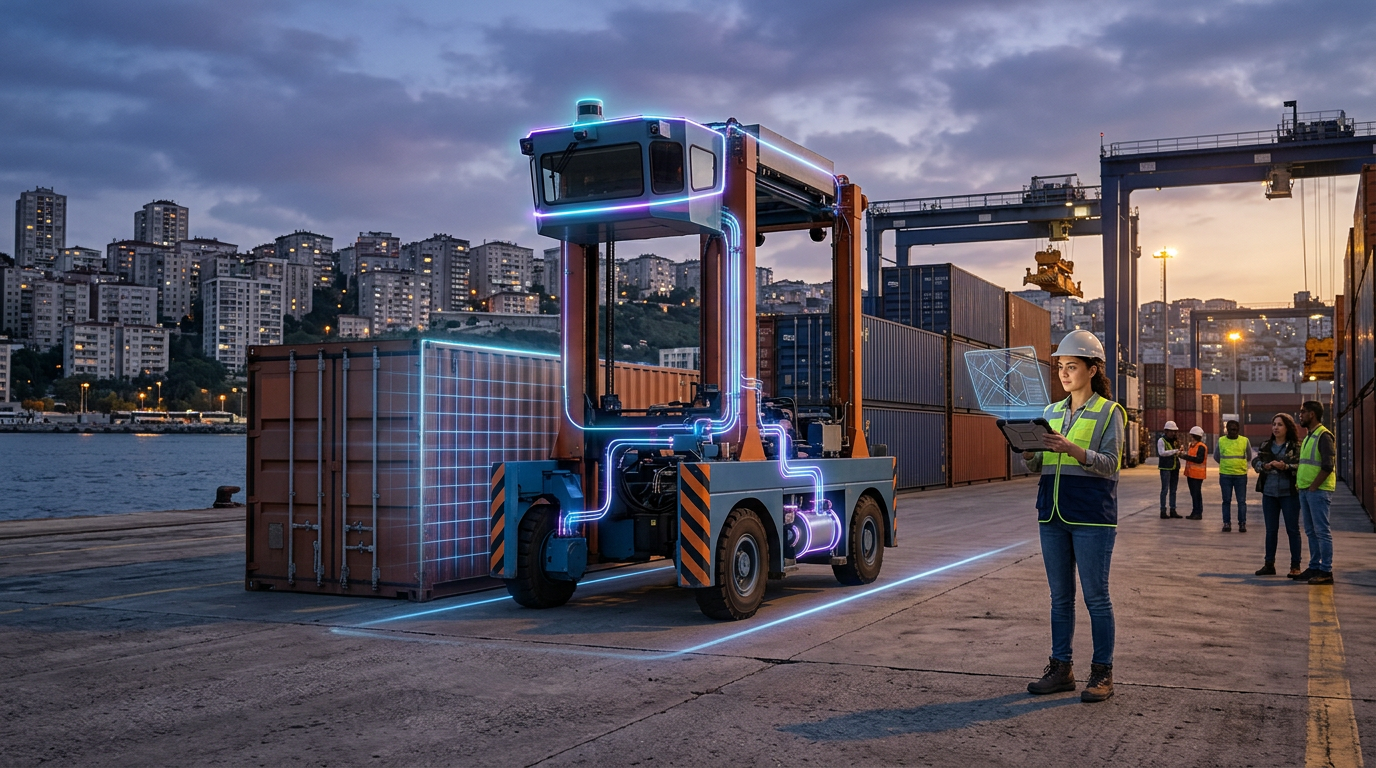
Turkey's NAIS 2021-2025 aligned with Vision 2040 drove AI infrastructure investment, ranked just behind Switzerland in one global AI index with fast-growing AI startup ecosystem.

Sakana AI raised $135M Series B at $2.65B valuation in November 2025 — Tokyo-based, founded by ex-Google Brain researchers, building evolutionary and collective AI approaches.

Naver operates 60,000+ GPUs and is the only Korean company with complete AI infrastructure from custom data centers to foundation models to consumer-facing search and commerce products.
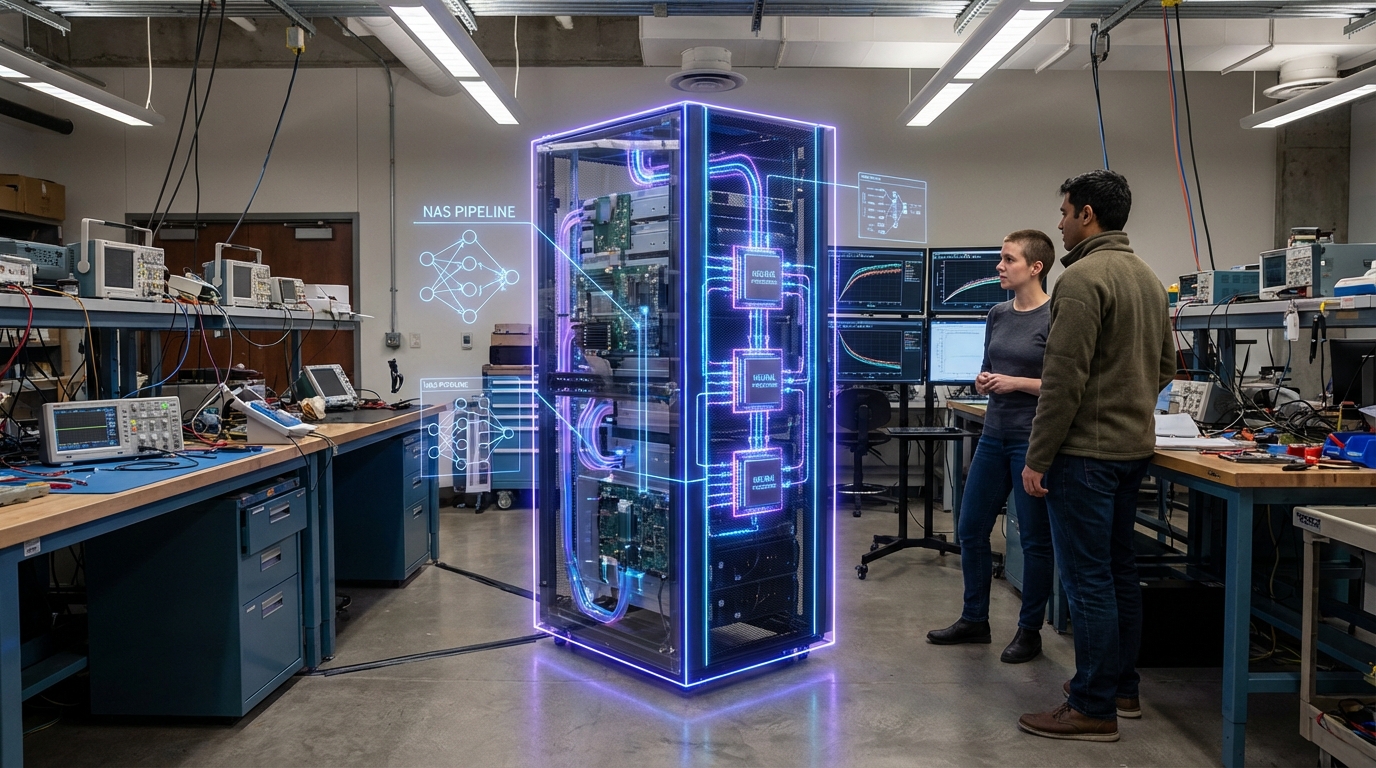
Automated systems that design optimal neural network architectures for specific tasks and deployment constraints
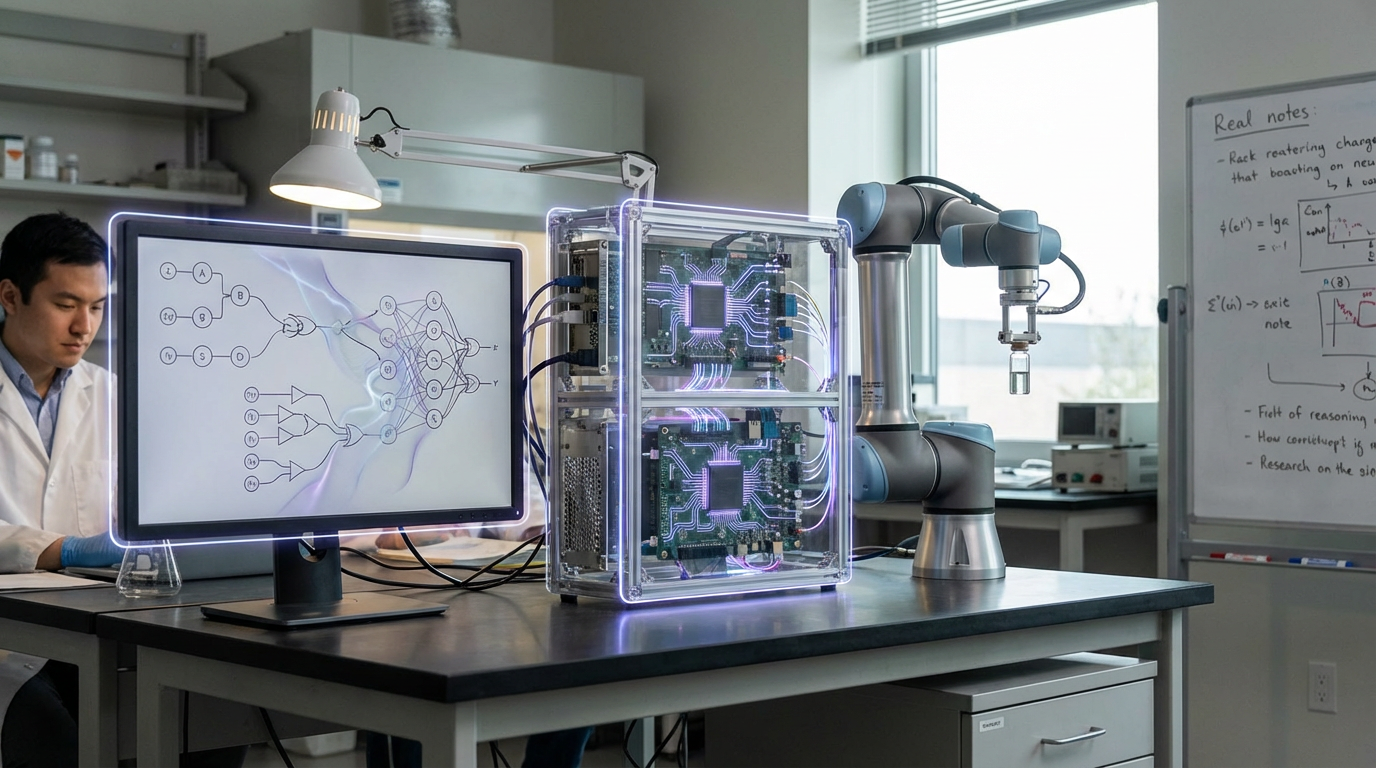
Combines neural networks for perception with symbolic logic engines for reasoning and planning

Vietnam's IT outsourcing industry ($698M in 2025) is pivoting from generic coding to AI/ML development, with developers costing 60-80% less than Silicon Valley equivalents.

Light-based data pathways connecting AI chips at terabit speeds with lower power and heat

AI agent networks that simulate decisions and route governance across enterprise structures
The world's first national AI strategy, now in its second phase with over CA$443 million committed across three national institutes — Mila, Vector Institute, and Amii.
Indigenous Persian-language NLP development for search, content moderation, and digital governance — serving an 80M+ Farsi-speaking user base largely cut off from Western AI services.

AI platforms that manage your information, tasks, and memory as a personalized digital assistant
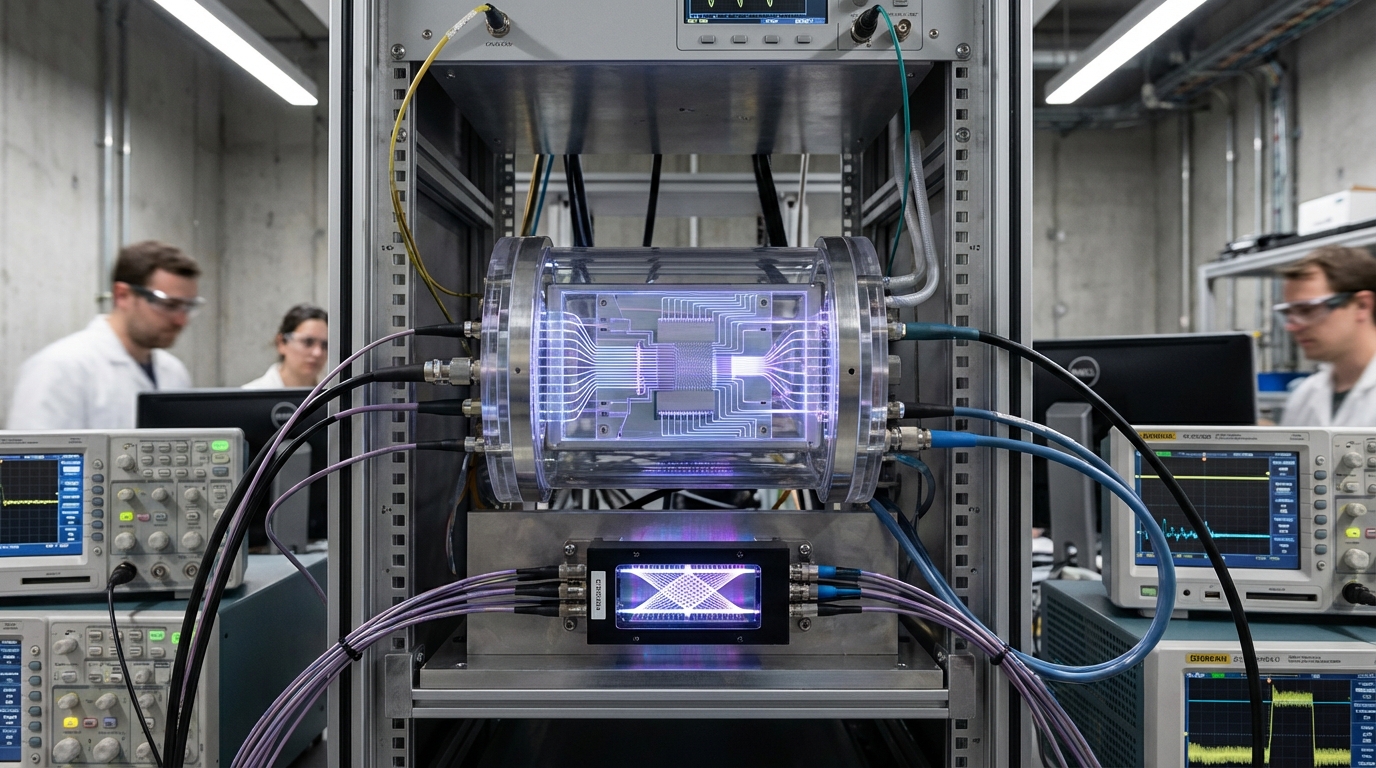
Light-based processors performing neural network calculations at femtosecond speeds

European labs building AI that understands physical reality — from video to 3D reconstruction to physics simulation, enabling robots and autonomous systems to learn in virtual worlds

Maritaca AI's Sabiá-3 LLM matches GPT-4o accuracy on 64 Brazilian professional exams at 3-4x lower cost per token — the first sovereign foundation model for Portuguese.
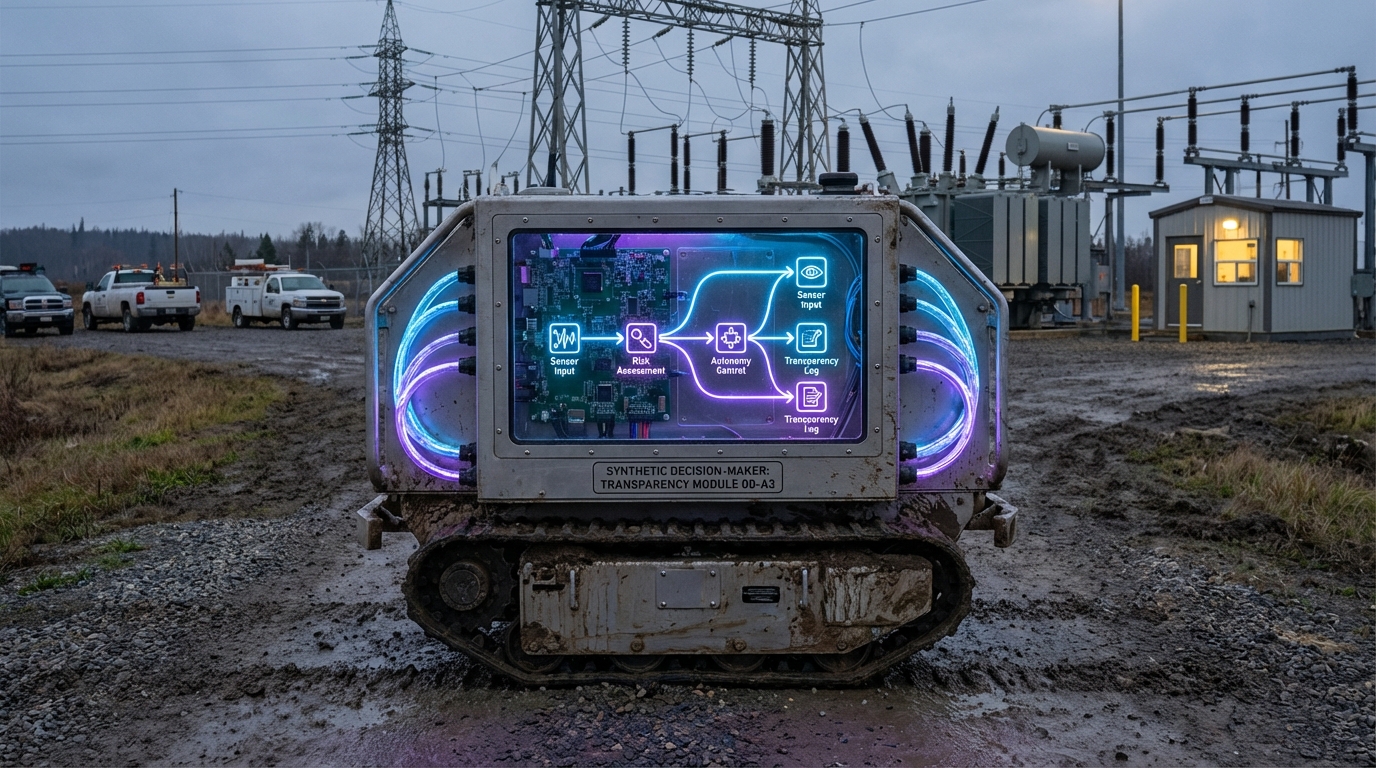
Frameworks for governing AI influence, preventing cognitive monopolies, and ensuring decision transparency
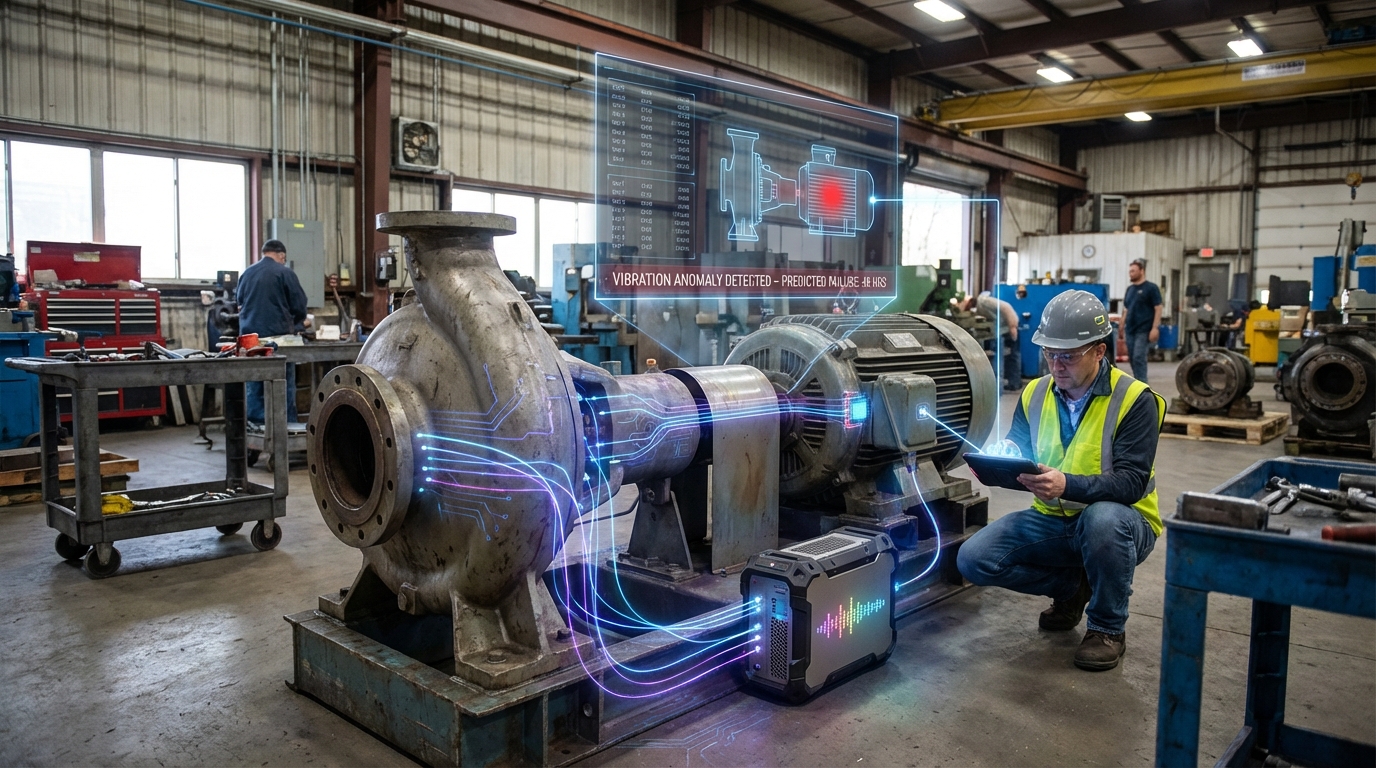
AI systems that predict equipment failures by analyzing sensor data to enable proactive maintenance

Japan enacted the AI Promotion Act in May 2025 — the world's most permissive major-economy AI framework, including copyright exemptions for AI training data.

Deep Fusion AI won CES 2026 Best of Innovation for 4D imaging radar perception that works in rain, fog, and darkness where cameras and lidar fail.

Sub-second speech translation enabling natural multilingual conversation

Supervised testing environments where high-risk AI systems are deployed under regulatory oversight
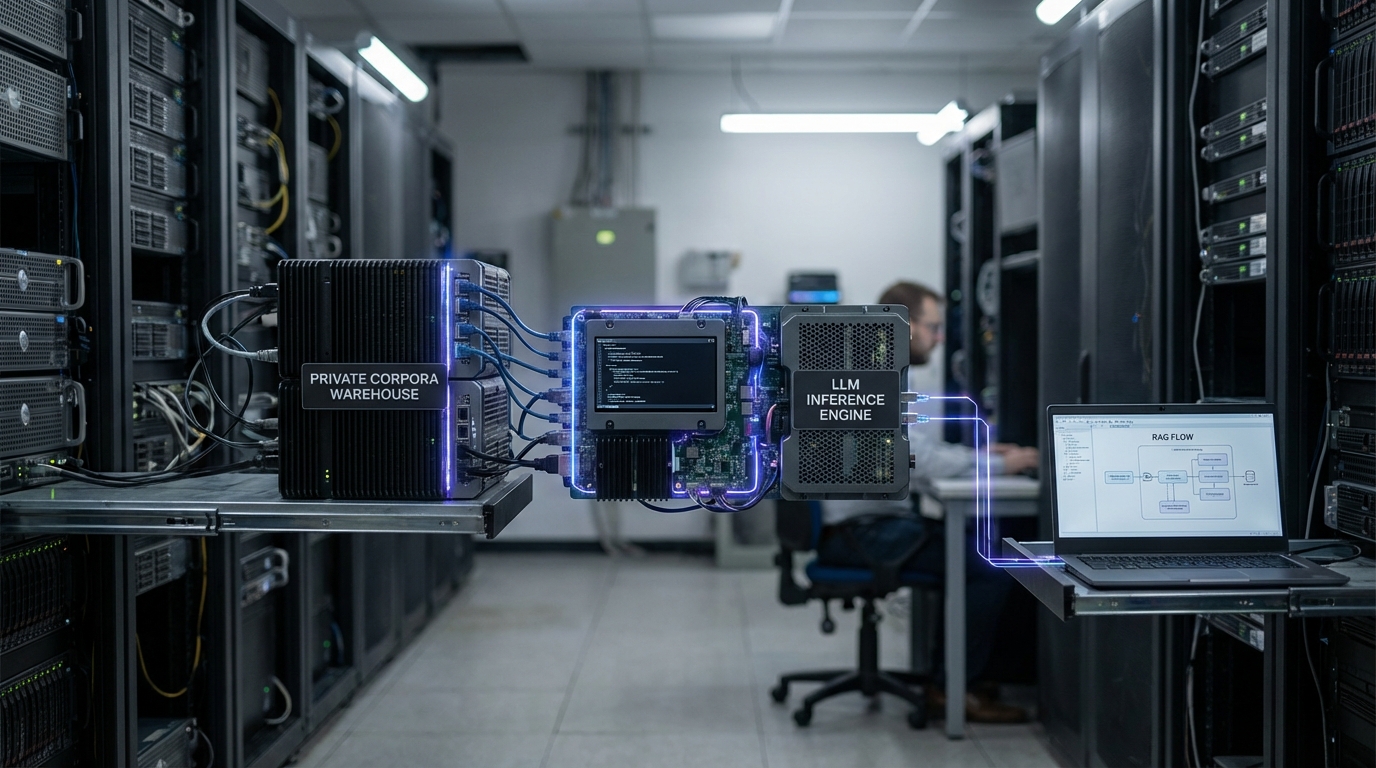
Combines LLMs with vector search to ground AI answers in verified sources and reduce hallucinations
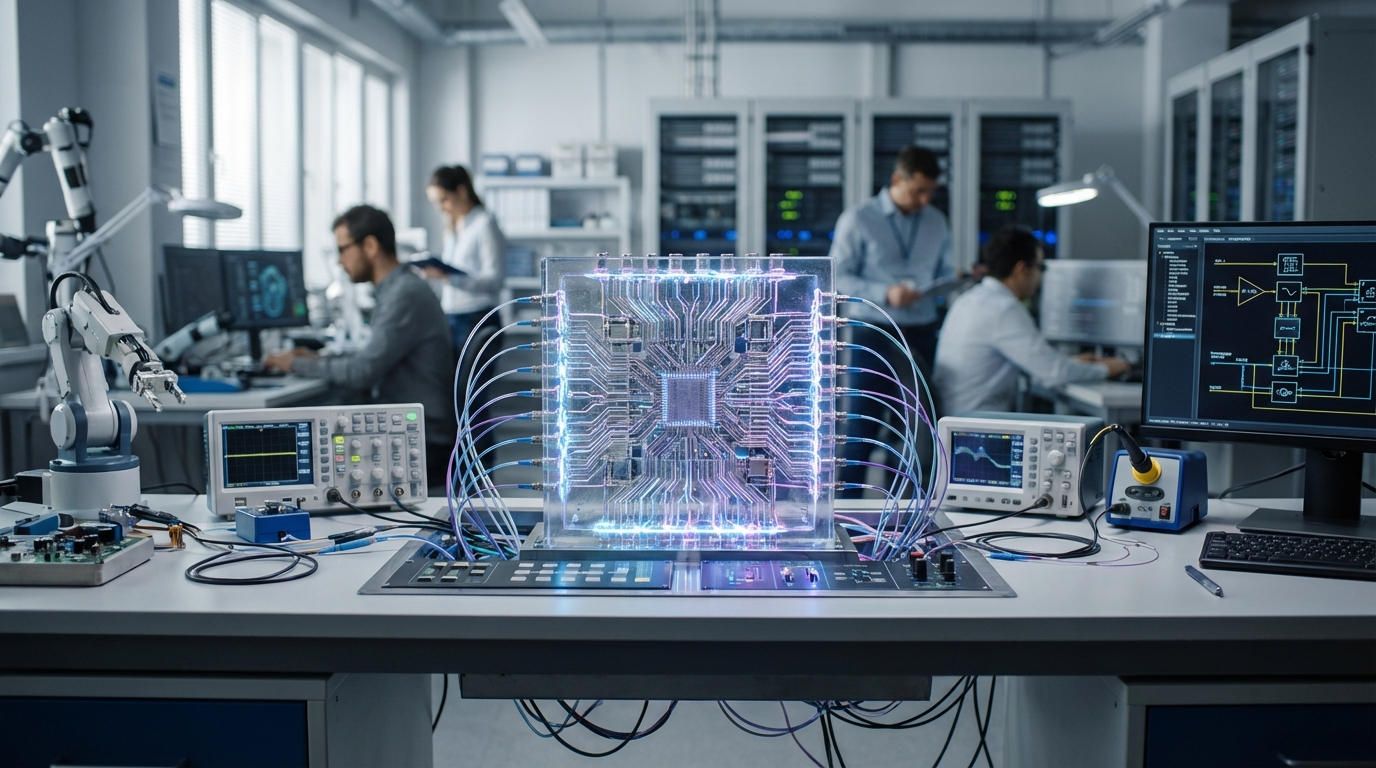
Logic circuits that run backwards to recover energy instead of dissipating it as heat

Selected by the Indian government to build the country's first sovereign LLM under the IndiaAI Mission — developing full-stack AI infrastructure for 10+ Indian languages.
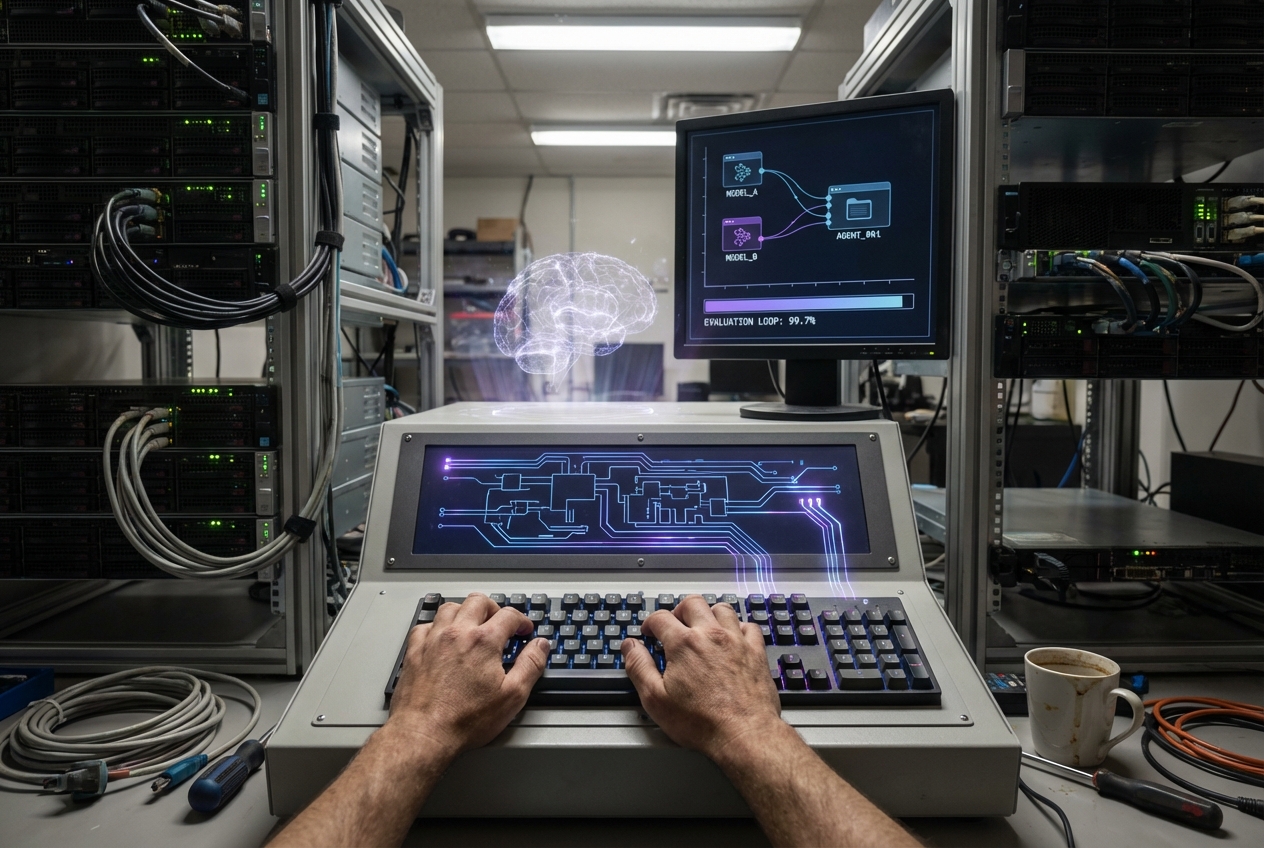
Automated monitoring and testing infrastructure for AI safety and capability assessment

CIFAR-funded research at Mila and UBC is developing novel AI approaches to retrosynthesis — breaking down target drug molecules into simpler reactants — using topological data analysis.
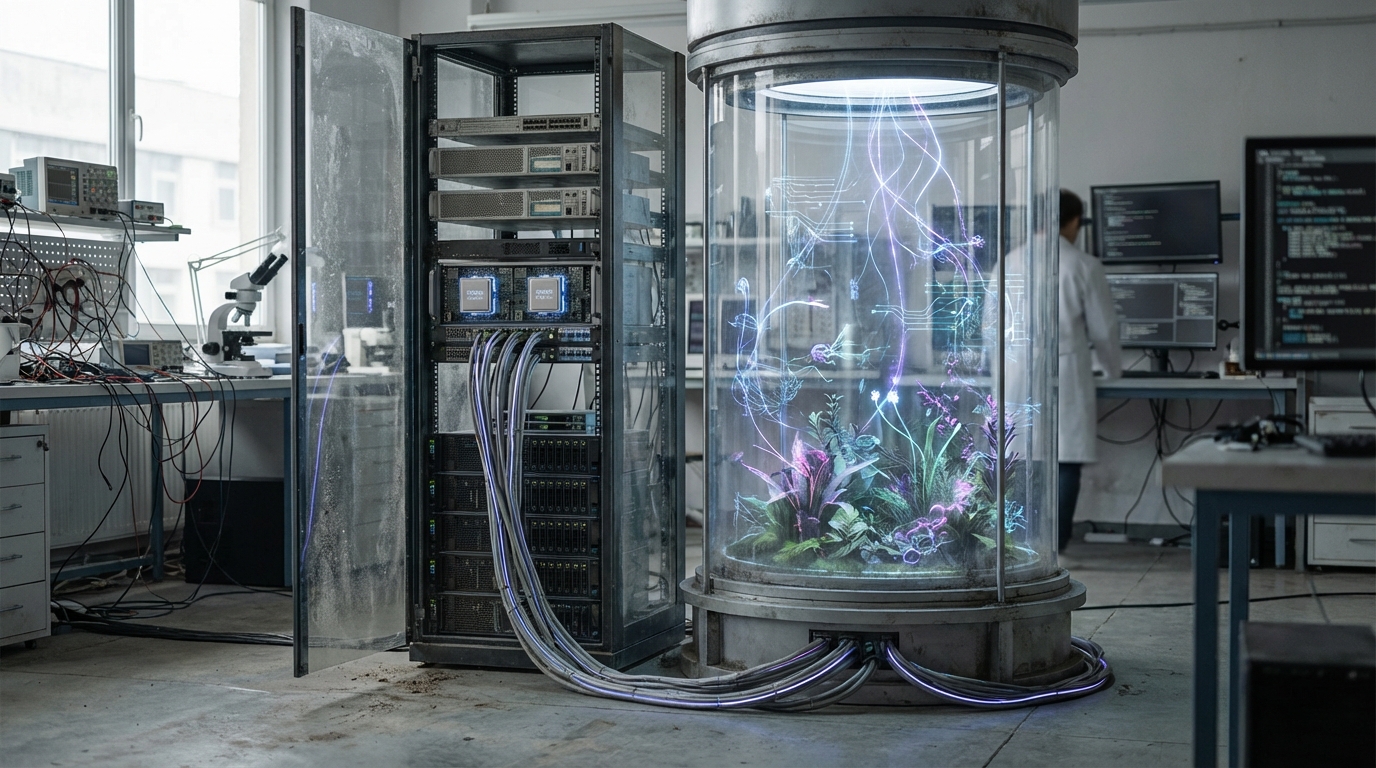
Virtual ecosystems where AI agents evolve behaviors and social structures over time

Flexible actuator networks that mimic biological muscle for safe, fluid robotic movement

National AI Document approved 2024, $215M+ in 2025 R&D funding, plans for first domestic GPU data center — targeting top-10 global AI ranking by 2032 under a sovereign infrastructure model.
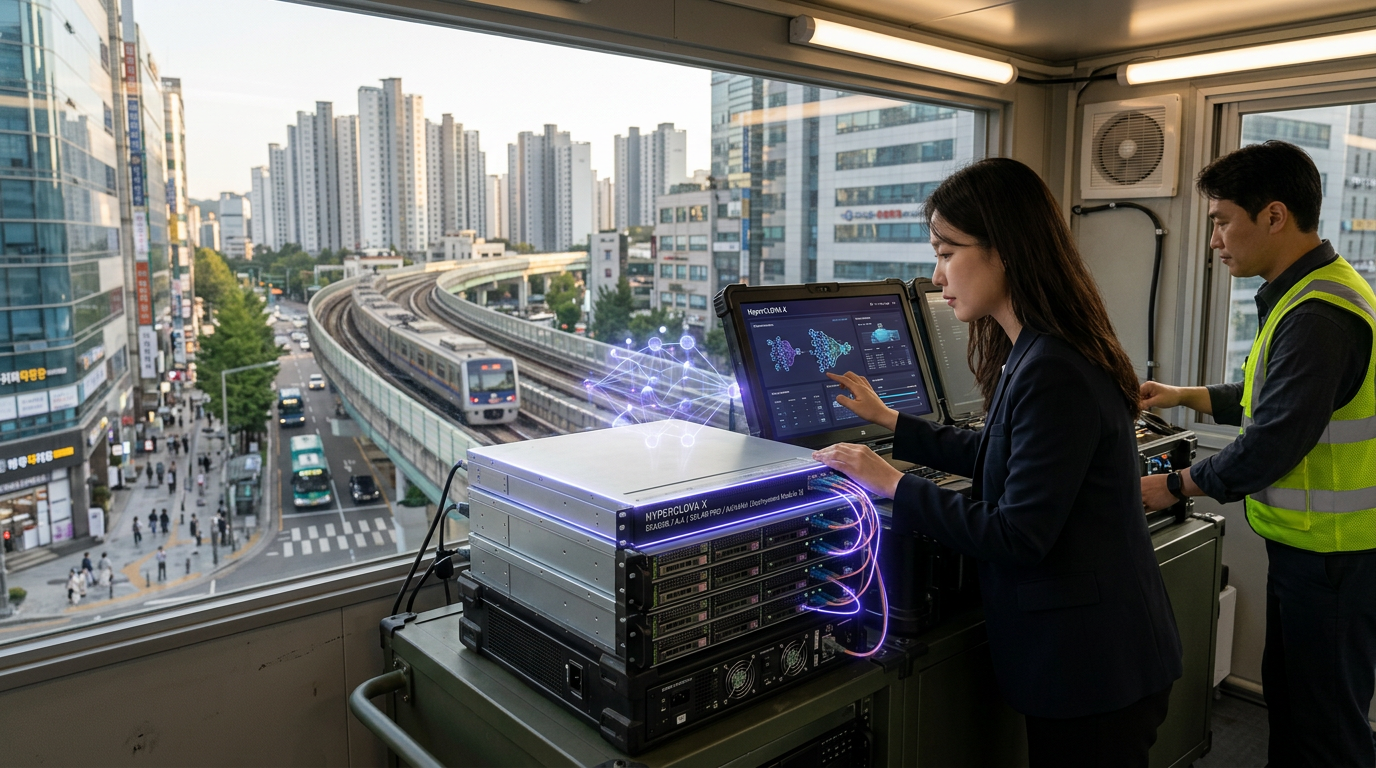
Korea has five independent large language model programs — Naver HyperCLOVA X, LG Exaone, SK Telecom A.X, Upstage Solar Pro, and Kakao Kanana — more sovereign AI efforts per capita than any other country.

Alibaba Cloud, Huawei Cloud, and China Telecom dominate a $50B+ domestic market where foreign clouds are restricted, creating fully sovereign compute infrastructure.
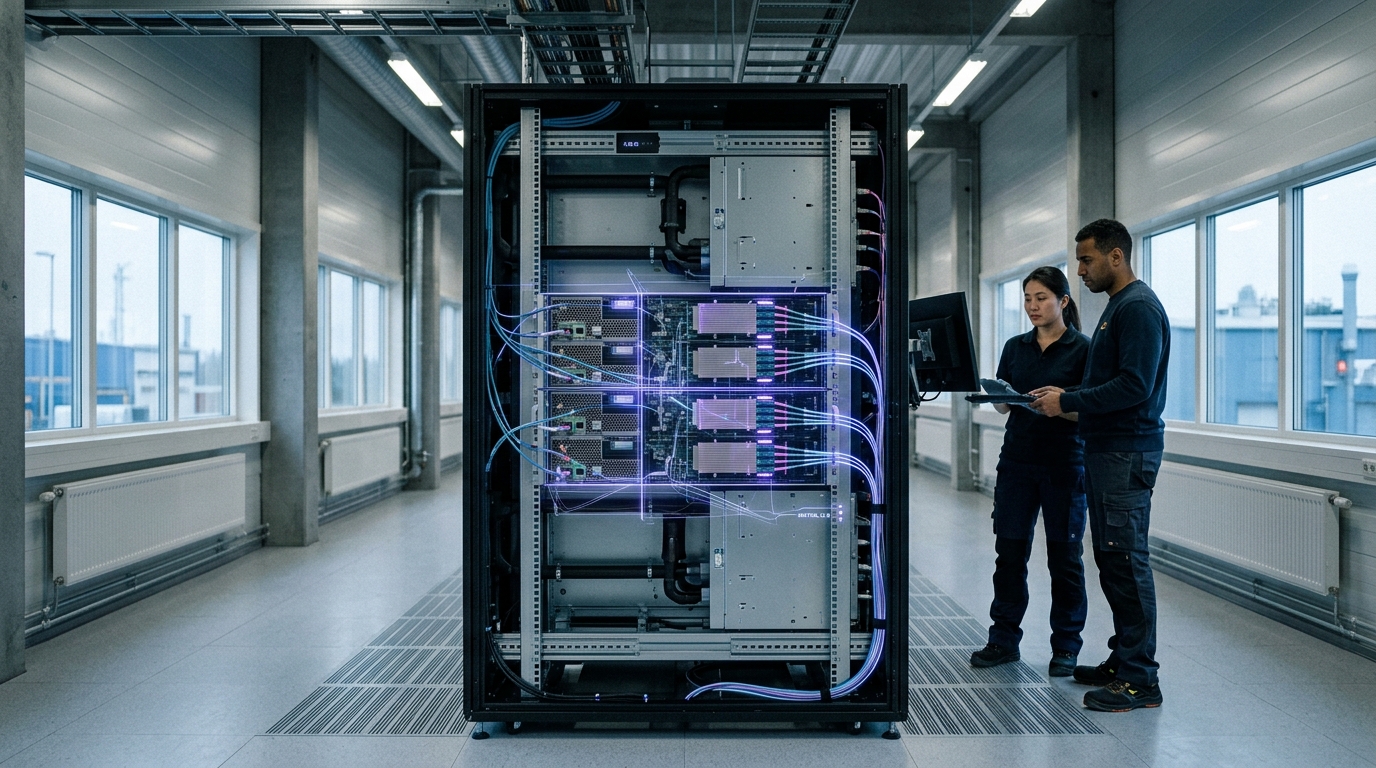
Mistral AI ($14B valuation) building Europe's leading frontier AI lab — open-weight models rivaling GPT-4, targeting €1B revenue in 2026, investing €1.2B in Swedish compute infrastructure
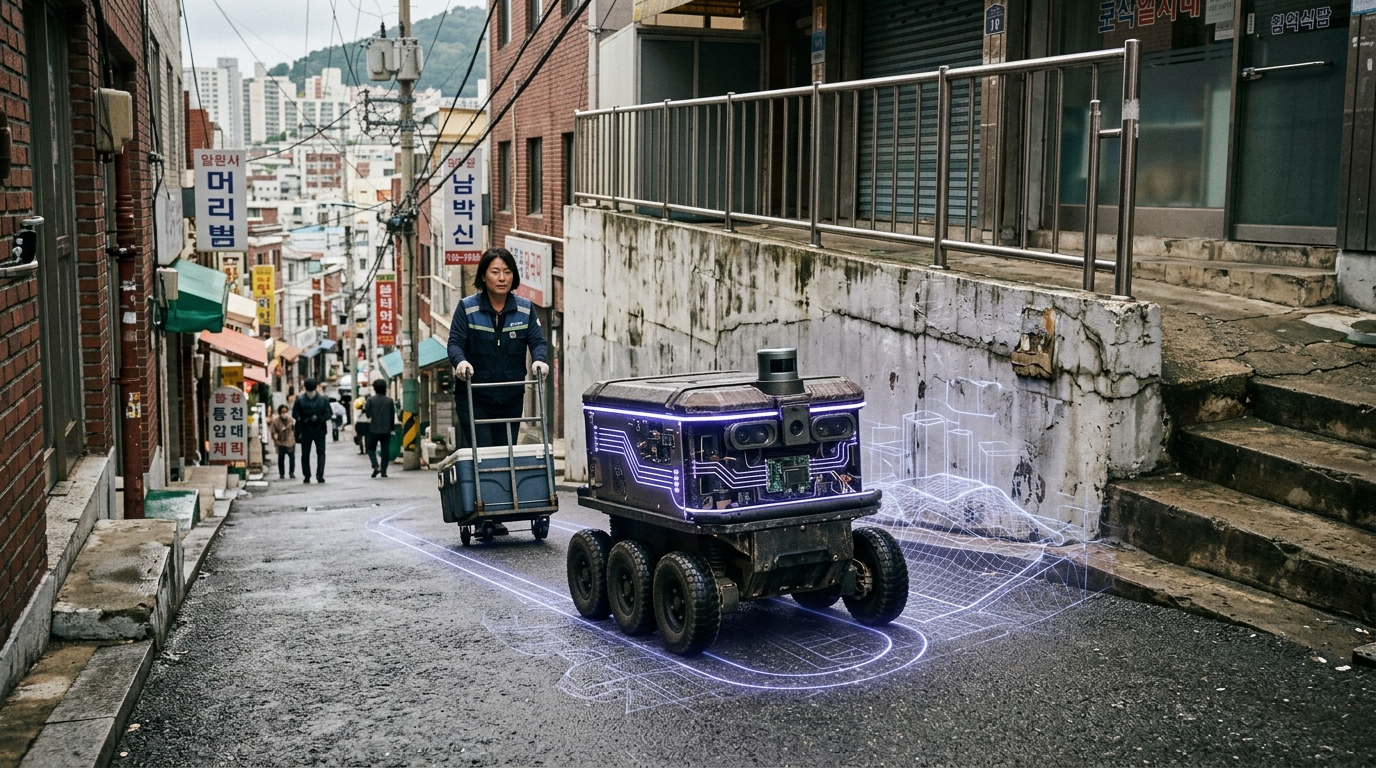
LBS Tech develops spatial AI that enables robots and drones to build real-time 3D maps and navigate complex environments without GPS, targeting logistics and defense applications.

AI systems designed for long-term emotional relationships with persistent memory and adaptive personalities
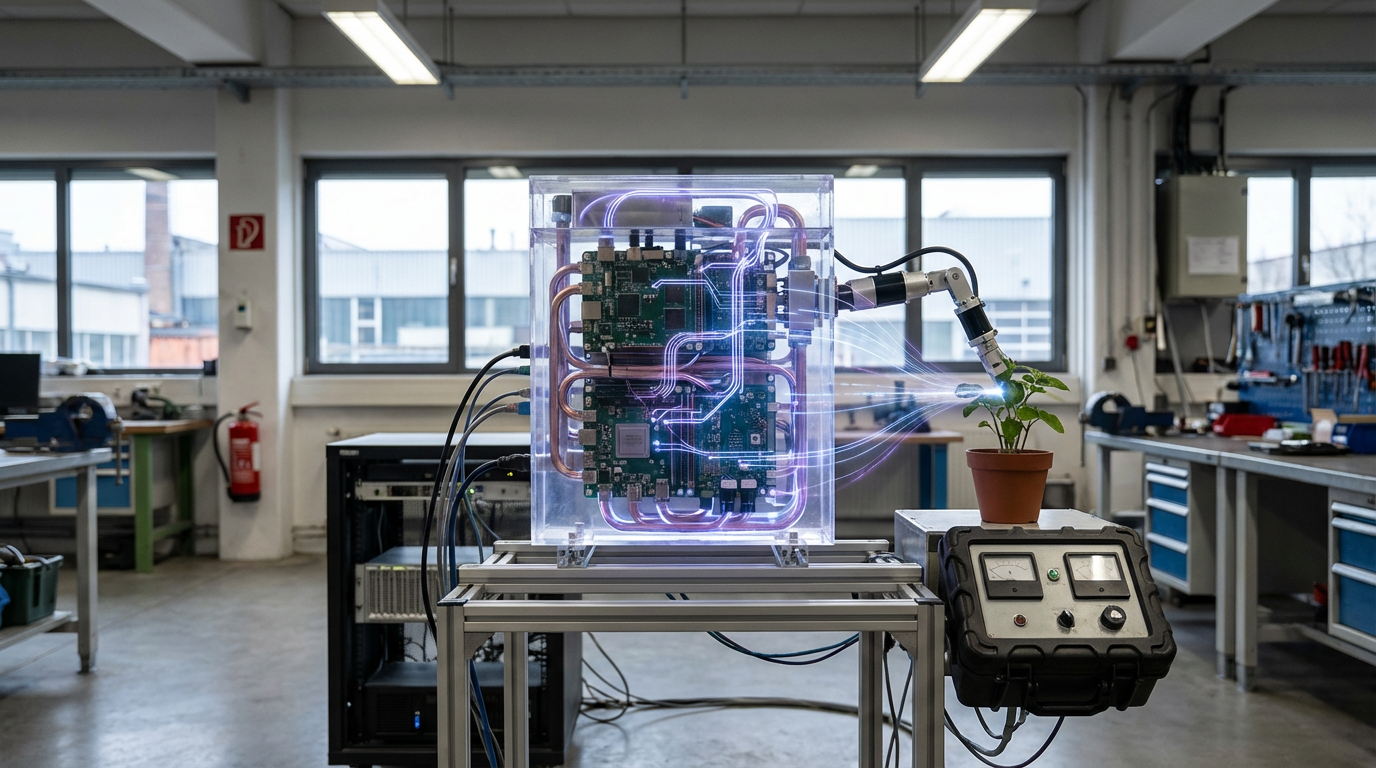
AI architectures combining attention, self-monitoring, and motivation to simulate conscious-like behavior

Frameworks enabling AI agents to infer and reason about other agents' beliefs, goals, and intentions
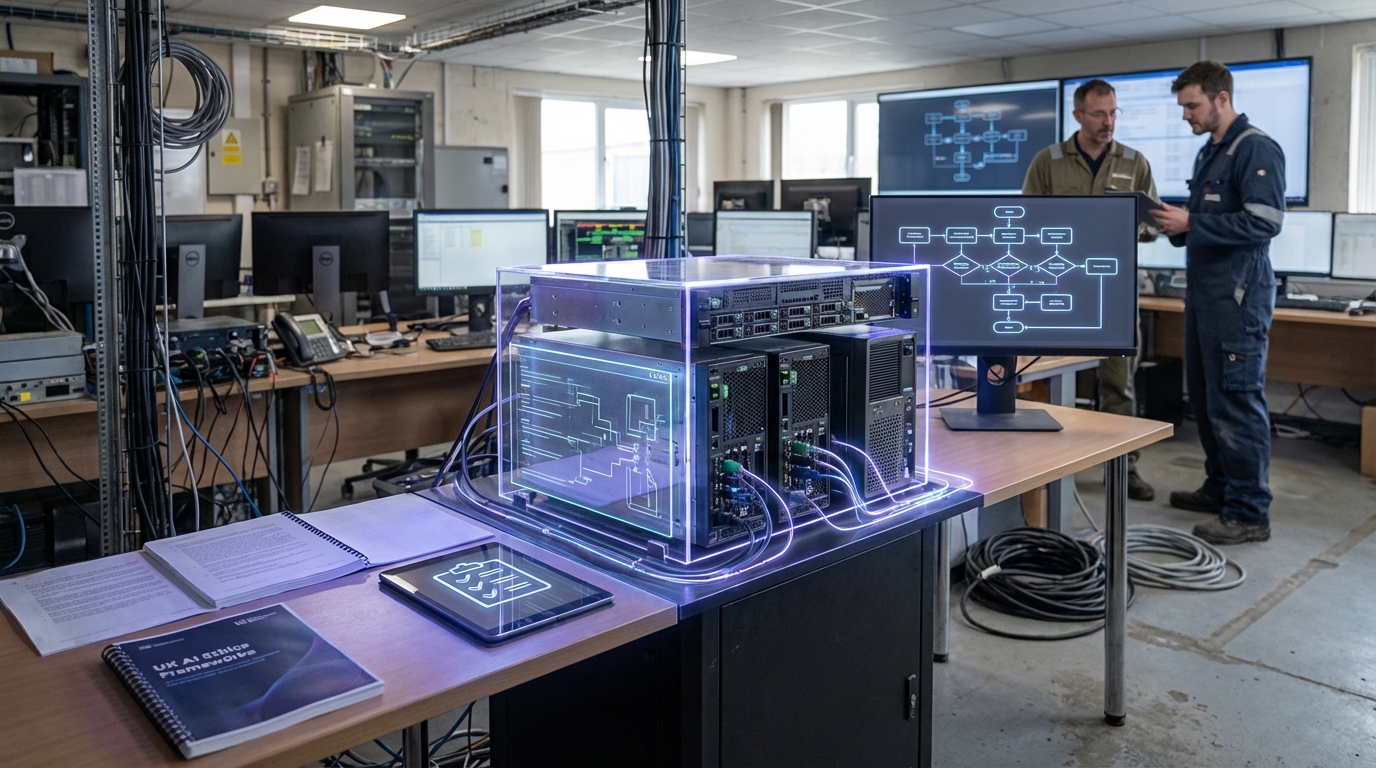
Regulatory frameworks balancing AI accountability with innovation across UK sectors
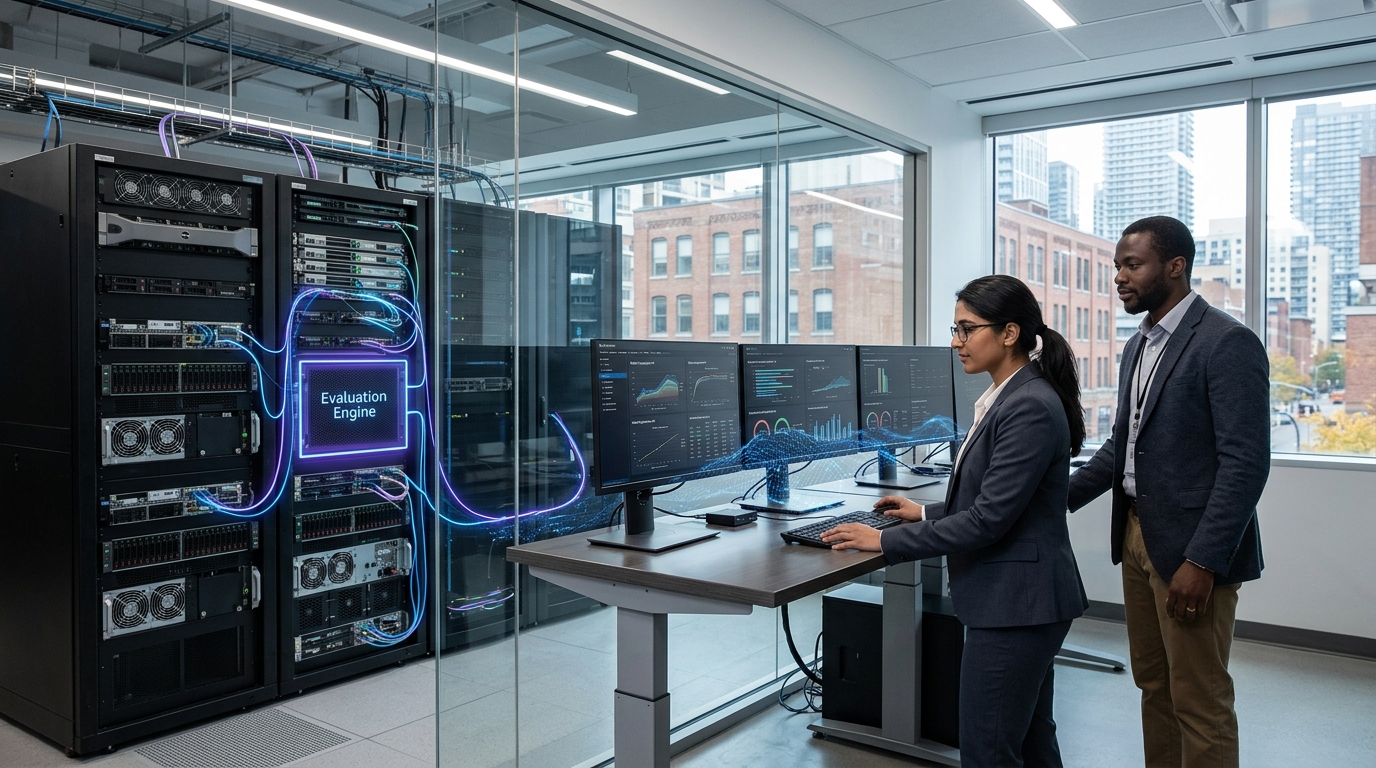
Toronto's Vector Institute has built independent evaluation frameworks for frontier AI models, establishing Canada as a neutral benchmarking authority for enterprise LLM adoption.
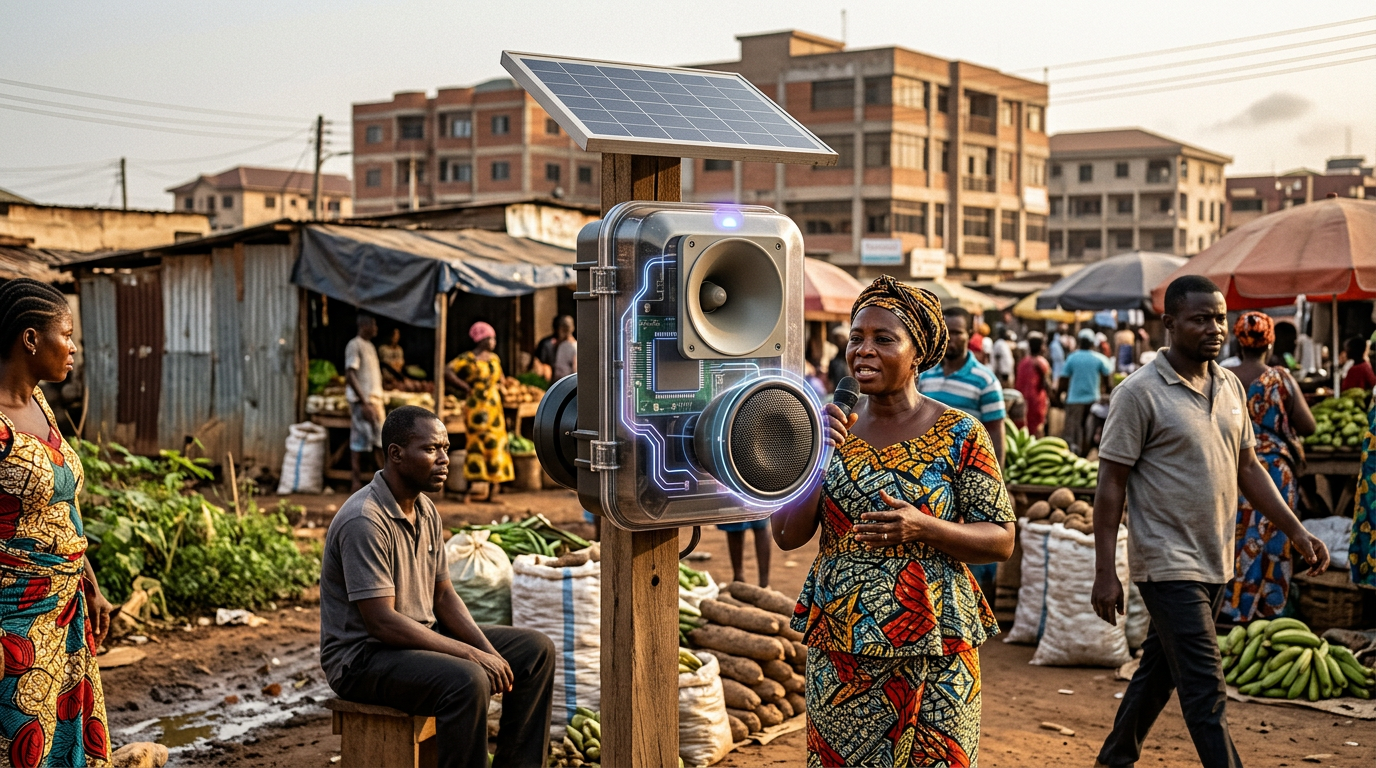
Voice-enabled AI systems for African languages allow illiterate users to access banking, health, and agricultural services by speaking — bypassing the literacy barrier entirely.
Turn this hub into a team session
Interested in our work?
Newsletter
Follow us for weekly foresight in your inbox.