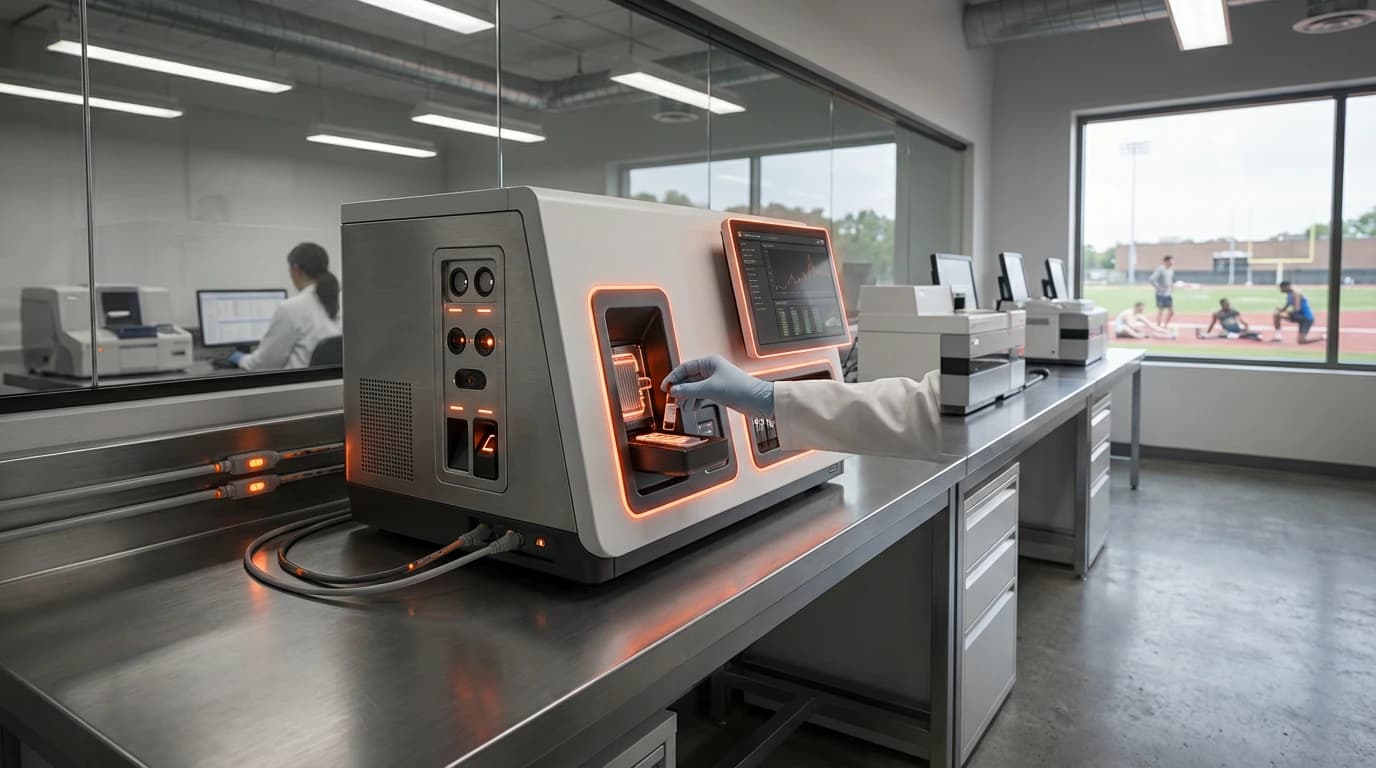
Genetic Doping Surveillance
Genetic doping surveillance represents a critical frontier in sports integrity, addressing the potential misuse of gene therapy technologies for athletic enhancement. Unlike traditional performance-enhancing drugs that introduce external substances, gene doping involves the deliberate manipulation of an athlete's genetic material to boost capabilities such as muscle growth, oxygen-carrying capacity, or pain tolerance. The detection challenge is formidable: modified genes integrate seamlessly into an athlete's DNA, making them nearly indistinguishable from natural genetic variations. Current surveillance approaches combine multiple methodologies, including transcriptomic profiling to identify abnormal gene expression patterns, proteomic analysis to detect unusual protein markers, and advanced sequencing techniques to spot synthetic genetic constructs. These methods must differentiate between legitimate gene therapies for medical conditions and illicit performance enhancement, while also accounting for natural genetic diversity across global athlete populations.
The emergence of gene editing technologies has created an urgent need for robust detection frameworks in competitive sports. Traditional anti-doping programs, designed to catch chemical substances or hormones, are inadequate against genetic modifications that may persist indefinitely and produce no obvious metabolic byproducts. This surveillance gap threatens the fundamental principle of fair competition, as genetically enhanced athletes could gain irreversible advantages that no amount of training could overcome. The challenge extends beyond detection to prevention and deterrence, requiring international sports organisations to establish clear regulatory boundaries around emerging biotechnologies. Research efforts focus on developing baseline genetic profiles for athletes, creating databases of known gene therapy vectors, and establishing protocols for longitudinal monitoring that can identify suspicious changes over time.
Several international sports federations have begun implementing pilot surveillance programs, though widespread deployment remains limited by technical and ethical complexities. The World Anti-Doping Agency has prohibited gene doping since 2003, but practical enforcement mechanisms are still evolving. Current applications include targeted testing of athletes in high-risk sports where genetic enhancement would provide maximum advantage, such as endurance events or strength-based competitions. The field intersects with broader trends in personalised medicine and genetic privacy, raising questions about athlete consent, data protection, and the boundaries between therapeutic intervention and enhancement. As gene editing technologies become more accessible and sophisticated, surveillance systems must evolve correspondingly, balancing the imperative to protect competitive integrity against athletes' rights to medical treatment and genetic privacy. The trajectory points toward increasingly sophisticated molecular monitoring integrated into routine anti-doping protocols, though significant technical and regulatory hurdles remain before comprehensive genetic surveillance becomes standard practice in elite sports.
Related Organizations

International independent agency composed and funded equally by the sport movement and governments of the world.
Cologne Center for Preventive Doping Research
Germany · Research Lab
One of the world's leading WADA-accredited laboratories, attached to the German Sport University Cologne.
Drug Control Centre, King's College London
United Kingdom · University
The UK's only WADA-accredited laboratory, responsible for testing at the London 2012 Olympics and Commonwealth Games.

Research-funding organization founded by the USOC, NFL, MLB, and NBA to protect the integrity of sport.

The national anti-doping organization for the United States for Olympic, Paralympic, Pan American, and Parapan American sport.

Independent organization managing anti-doping programs for International Federations and Major Event Organizers.

International life sciences measurement and testing company, operating the 'Informed Sport' program.

Provides analytical instruments and digital lab solutions, investing in AR/VR tools to assist customers with lab workflows.

An American supplier of scientific instrumentation, reagents and consumables.
Supporting Evidence
Research this in Signals
Signals turns a topic into a sourced research record you can inspect and rerun. Your first scan is free, and this one starts with Genetic Doping Surveillance already loaded, so edit it or scan as is.