








Crops
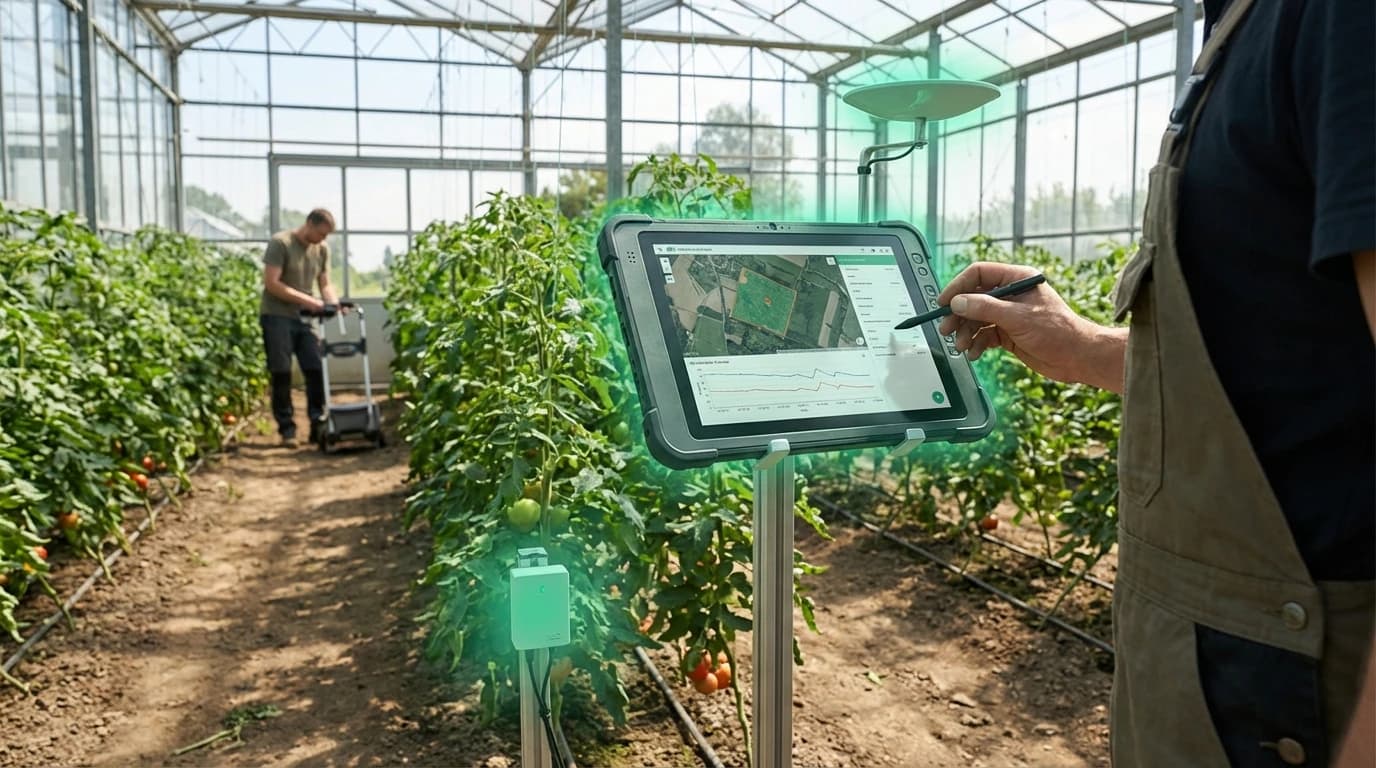
Yield Prediction Models
Machine learning models that forecast crop yields using satellite imagery and field sensors
Yield prediction models represent a convergence of satellite remote sensing, ground-based sensor networks, and advanced machine learning algorithms designed to forecast agricultural output with unprecedented accuracy. These systems integrate multiple data streams—including synthetic aperture radar (SAR) imagery that can penetrate cloud cover, multispectral satellite observations tracking vegetation health indices like NDVI, historical weather patterns, real-time meteorological data, and field-level measurements from IoT sensors monitoring soil moisture, temperature, and nutrient levels. Machine learning architectures, particularly deep neural networks and ensemble methods, process these heterogeneous inputs to identify complex patterns correlating environmental conditions with crop development stages. The models continuously refine their predictions as the growing season progresses, moving from broad regional estimates months before harvest to field-specific forecasts with increasing precision as maturity approaches.
The agricultural sector has long grappled with the fundamental uncertainty of not knowing how much product will be available until harvest, creating cascading challenges across supply chains, financial markets, and food security planning. Yield prediction models address this information gap by providing actionable forecasts weeks or even months in advance, enabling farmers to optimise input purchases—ordering the right quantities of storage, transportation, and processing capacity based on expected volumes rather than historical averages. Insurance companies leverage these predictions to price crop insurance products more accurately and assess claims more efficiently, while commodity traders and food processors use the forecasts to hedge market positions and secure supply contracts. For smallholder farmers in developing regions, early yield estimates can inform critical decisions about whether to pre-sell portions of their harvest or wait for spot market prices, potentially improving income stability. The technology also helps agricultural lenders assess credit risk more precisely, potentially expanding access to financing in underserved markets.
Research institutions and agricultural technology companies have deployed yield prediction systems across major grain-producing regions, with early implementations focusing on commodity crops like corn, soybeans, and wheat where large-scale satellite coverage provides robust training data. Government agricultural agencies increasingly incorporate these models into national crop reporting systems, complementing traditional field surveys with data-driven estimates. The technology shows particular promise in regions vulnerable to climate variability, where accurate early warnings of production shortfalls can trigger timely interventions in food distribution and humanitarian response. As the climate crisis intensifies weather volatility and disrupts historical growing patterns, yield prediction models are evolving beyond simple statistical correlations to incorporate climate projections and extreme weather scenarios, positioning them as essential tools for building resilience into global food systems and supporting the transition toward precision agriculture practices that optimise resource use while maintaining productivity.
TRL
7/9Operational
Impact
5/5
Investment
4/5
Category
Software
Related Organizations

Descartes Labs
United States · Company
Geospatial intelligence platform automating the analysis of sensor data.
Developer
Provider of AI-powered satellite imagery analytics.
Developer
A leading provider of global daily earth data, developing the Tanager hyperspectral satellite constellation.
Developer
Decision intelligence company using satellite remote sensing for agriculture and finance.
Developer
Provides a farm management system integrated with proprietary soil sensors for moisture, temperature, and EC.
Developer
AgTech company providing satellite-based field monitoring and yield analytics.
Developer
Focuses on supply chain resilience by applying AI to climate models to predict impacts on agriculture and logistics.
Developer
Develops MRV (Measurement, Reporting, and Verification) software for agriculture, modeling soil carbon sequestration and GHG emissions at the field level.
Developer
Uses sub-millimeter aerial imagery and AI to detect crop diseases and pests at leaf-level resolution.
Developer
What was expected
Published forecasts about this technology, graded against what happened in Hindsight.
Supporting Evidence
Evidence data is not available for this technology yet.
Research this in Signals
Scan Yield Prediction Models for yourself.
Signals turns a topic into a sourced research record you can inspect and rerun. Your first scan is free, and this one starts with Yield Prediction Models already loaded, so edit it or scan as is.