Novel Food Formats
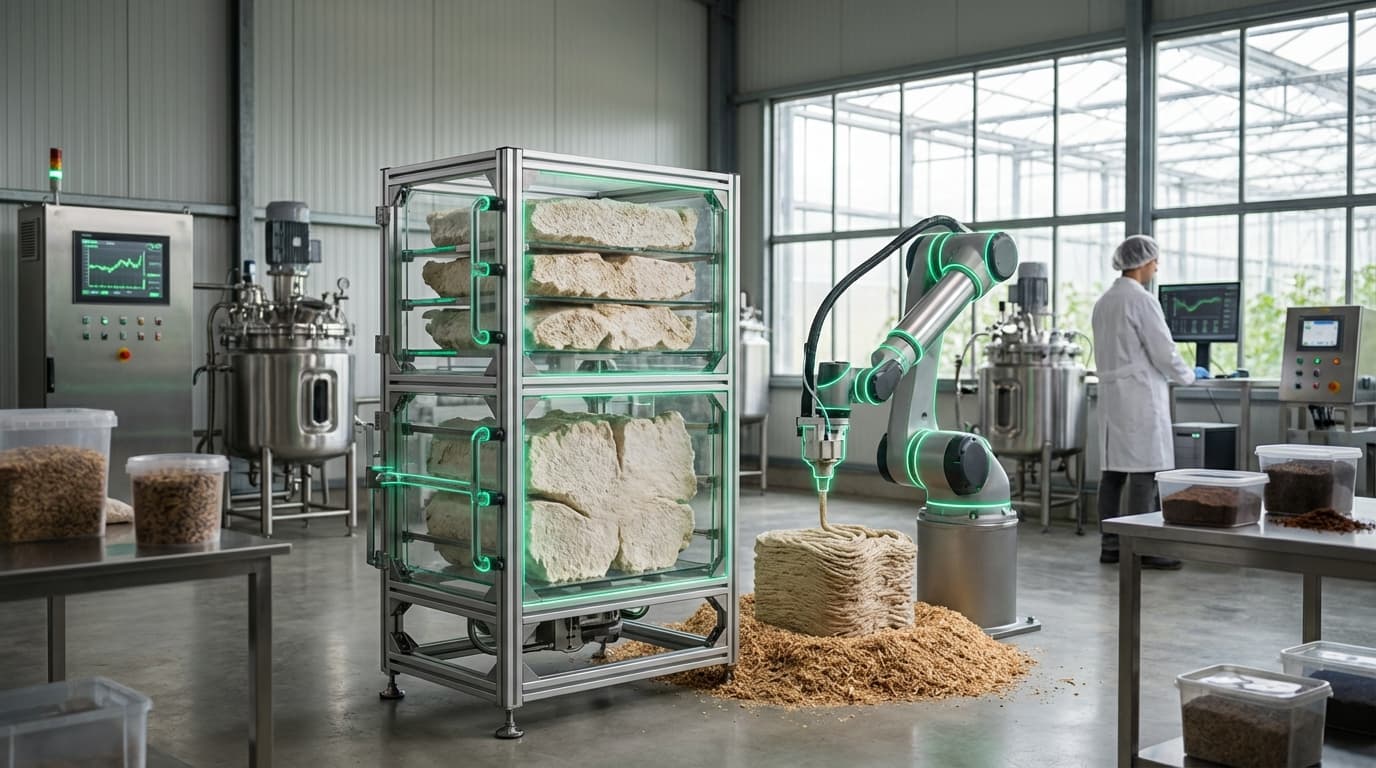
Novel food formats represent a convergence of biotechnology, materials science, and culinary innovation designed to address fundamental limitations in conventional food production. These formats leverage mycelium—the root-like structure of fungi—as a natural scaffolding material that can be cultivated in controlled environments to replicate the fibrous texture of whole-muscle meat. The mycelium grows in dense, interconnected networks that provide structural integrity similar to animal tissue, while 3D food printing technologies enable precise layering of plant-based proteins, fats, and functional ingredients. This combination allows manufacturers to engineer products with specific textures, from tender cuts to chewy textures, while incorporating upcycled agricultural byproducts such as spent brewery grains, fruit and vegetable pomace, or microalgae biomass. The fermentation processes that produce mycelium require minimal land and water compared to livestock farming, and the ability to use circular waste streams transforms what would otherwise be discarded materials into valuable nutritional resources.
The food industry faces mounting pressure to reduce environmental impact while meeting growing global protein demand, particularly as conventional meat production strains water resources, contributes to greenhouse gas emissions, and requires extensive agricultural land. Novel food formats address these challenges by offering protein sources that can be produced with significantly lower resource inputs and carbon footprints. The customizable nature of these technologies enables manufacturers to tailor nutritional profiles for specific dietary needs or health conditions, adjusting protein density, micronutrient fortification, or allergen content. This flexibility proves particularly valuable in institutional settings such as hospitals, schools, and military operations, where diverse dietary requirements must be met efficiently. The shelf-stability of many mycelium-based products reduces dependency on energy-intensive cold chain logistics, making them viable for remote locations or emergency response scenarios. Early commercial deployments indicate that these formats can achieve cost parity with conventional alternatives when produced at scale, while offering advantages in supply chain resilience and environmental performance.
Current adoption remains concentrated in foodservice channels and specialty retail, where early-adopter consumers demonstrate willingness to experiment with unfamiliar formats. Research suggests that consumer acceptance hinges on sensory quality—particularly taste, texture, and visual appeal—rather than sustainability messaging alone, driving manufacturers to invest heavily in flavor chemistry and culinary applications. Regulatory frameworks for mycelium-based foods and printed products continue to evolve across different markets, with some jurisdictions establishing novel food approval pathways while others apply existing food safety standards. Industry analysts note that scaling these technologies requires significant capital investment in fermentation infrastructure and printing equipment, alongside development of ingredient supply chains for plant-based components. The trajectory points toward increasing integration with precision nutrition platforms that could generate personalized meal recommendations based on individual health data, while blockchain-enabled traceability systems may allow consumers to verify the environmental credentials and ingredient sourcing of each product. As production costs decline and flavor profiles improve, these formats are positioned to transition from niche alternatives to mainstream options within diversified protein portfolios.
Related Organizations

Food tech company producing whole-cut meat alternatives from mycelium.

MyForest Foods
United States · Startup
Spinoff of Ecovative, producing mycelium-based bacon.
Company developing 3D printing technology for plant-based meat.

Deep-tech food company developing 3D bioprinting technologies.
Barcelona-based startup developing micro-extrusion technology for plant-based meats.

Austrian startup specializing in 3D printed plant-based seafood.

Biotech company using fermentation to create mycelium-based food products.

Food company creating protein from a volcanic microbe found in Yellowstone.
Company creating whole-cut meat alternatives from mycelium.

Supporting Evidence
Research this in Signals
Signals turns a topic into a sourced research record you can inspect and rerun. Your first scan is free, and this one starts with Novel Food Formats already loaded, so edit it or scan as is.