Plant-Based Meat Alternatives
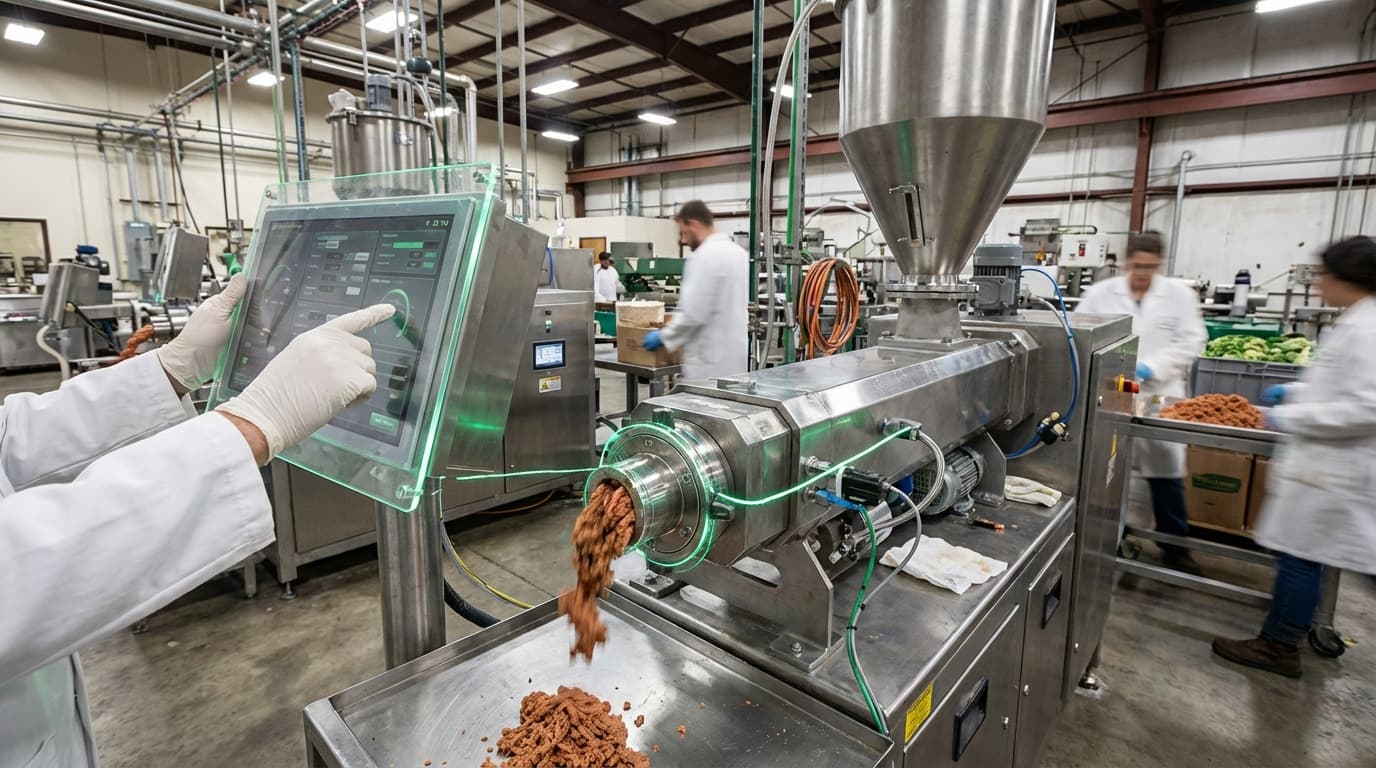
Plant-based meat alternatives represent a sophisticated convergence of food science, protein chemistry, and processing technology designed to replicate the sensory experience of animal meat using entirely plant-derived ingredients. The technical foundation rests on high-moisture extrusion, a process that subjects plant proteins—primarily from peas, soy, fava beans, and mycoprotein sources—to precise combinations of heat, pressure, and shear force to create fibrous structures that mimic the texture of whole-muscle meat. A critical innovation lies in the incorporation of heme analogs, iron-containing molecules derived from soy leghemoglobin or engineered through precision fermentation, which deliver the characteristic metallic taste and aroma associated with animal flesh. Advanced emulsification techniques allow plant-based oils, often from coconut, sunflower, or canola, to be encapsulated and stabilized so they melt and release flavor during cooking in ways that closely parallel animal fat. Natural colorants and flavor precursors are carefully formulated to undergo Maillard browning reactions when exposed to heat, producing the golden-brown crusts and savory notes that consumers expect from traditional meat products.
The food industry has long grappled with the environmental and ethical challenges of industrial animal agriculture, including greenhouse gas emissions, land degradation, water consumption, and animal welfare concerns. Plant-based meat alternatives address these issues by offering products that require significantly fewer resources to produce while delivering familiar taste, texture, and culinary versatility. Early plant-based products often struggled with acceptance due to poor texture, off-flavors, and limited availability, but recent technological advances have enabled manufacturers to achieve sensory profiles that appeal to mainstream consumers rather than only dedicated vegetarians. This shift has opened new market opportunities, with major quick-service restaurant chains, airlines, and retail grocers now incorporating these products into their standard offerings. The business model has evolved beyond niche health food stores to encompass mass-market distribution channels, supported by partnerships with established food service operators and co-manufacturers who bring economies of scale and logistical expertise. Regional sourcing strategies are increasingly common, with manufacturers selecting protein crops that can be grown within regenerative agricultural systems, reducing transportation emissions and supporting soil health through crop rotation practices.
Current market penetration varies by region, with North America and parts of Europe showing the strongest adoption rates, while expansion into Asia-Pacific markets is accelerating as formulations adapt to local taste preferences and culinary traditions. The next generation of products is expected to incorporate structured collagen analogs that more accurately replicate the connective tissue found in cuts like brisket or ribs, along with personalized nutrition profiles tailored to specific dietary needs or health goals. Clean-label formulations with shorter, more recognizable ingredient lists are becoming a priority as consumers demand greater transparency and simplicity. However, significant challenges remain, particularly around achieving price parity with conventional meat as commodity prices fluctuate and production scales continue to ramp up. Allergen management is another critical concern, given the prevalence of soy and wheat in many formulations, prompting research into hypoallergenic protein sources and novel processing methods. Nutritional optimization efforts focus on improving bioavailability of iron and vitamin B12, enhancing protein quality through complementary amino acid profiles, and reducing sodium content without compromising flavor. Strategic collaborations between plant-based innovators and legacy meat processors are proving essential, combining startup agility with established supply chains and consumer trust to accelerate market penetration and drive manufacturing efficiencies that will ultimately make these alternatives accessible to a broader range of consumers worldwide.
Related Organizations

Impossible Foods
United States · Company
Pioneer of using soy leghemoglobin (heme) produced via precision fermentation to create plant-based meat that bleeds and tastes like animal meat.

Global leader in plant-based meat using advanced extrusion heating and cooling technology to mimic muscle structure using pea and faba bean proteins.

International nonprofit think tank working to accelerate alternative protein innovation through open-access research and policy advocacy.

A top-tier university for agricultural research, specifically in greenhouse and vertical farming innovation.

Company developing 3D printing technology for plant-based meat.

Industrial plant equipment manufacturer that provides complete processing lines for insect protein.

French food-tech company that developed a proprietary texturization process ('umisation') to create thick, whole-cut plant-based filets without extrusion.

Uses an AI platform named 'Giuseppe' to analyze molecular structures and generate plant-based recipes that mimic the taste and texture of animal products.

Barcelona-based startup developing micro-extrusion technology for plant-based meats.

Focuses on engineering novel manufacturing equipment (the 'Mock 2' system) to lower the production cost of plant-based meat to parity with animal meat.

Global leader in plant-based ingredients, particularly pea protein isolates which are the primary feedstock for many high-moisture extrusion processes.

Asian market leader known for OmniPork, utilizing a proprietary blend of plant proteins to cater to Asian culinary applications.

Fast-growing European plant-based meat brand focusing on Mediterranean heritage and clean label extrusion technologies for chicken and beef analogs.

Australian plant-based meat company launched in partnership with CSIRO, utilizing science-backed formulation for flavor and texture.
Supporting Evidence
Research this in Signals
Signals turns a topic into a sourced research record you can inspect and rerun. Your first scan is free, and this one starts with Plant-Based Meat Alternatives already loaded, so edit it or scan as is.