Data Governance for Farms
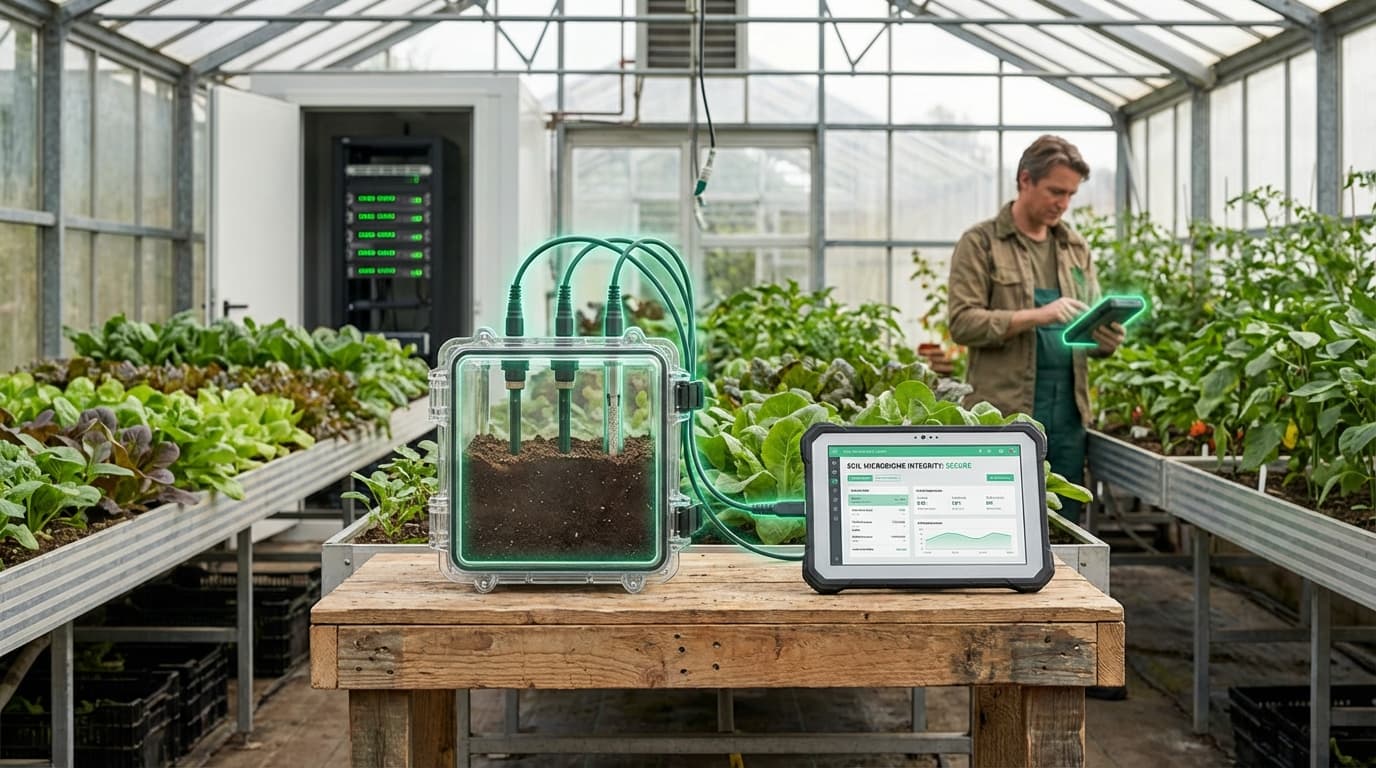
The agricultural sector is undergoing a profound digital transformation, with farms generating unprecedented volumes of data from soil sensors, genomic sequencing, satellite imagery, and microbiome analysis. However, this data revolution has created a critical challenge: who owns this information, and how should it be used? Traditional property rights frameworks were never designed to address the complexities of biological data ownership or the value chains created by algorithmic agriculture. Without clear governance structures, farmers risk losing control over information fundamental to their operations—from the genetic profiles of their crops to the microbial composition of their soil. This asymmetry of power and information creates opportunities for exploitation, where large agribusitech companies could aggregate farm data to develop proprietary insights and products while offering minimal compensation to the data originators.
Data governance frameworks for farms establish clear protocols for ownership, access, and benefit-sharing related to agricultural data. These frameworks typically address several key domains: soil microbiome data that reveals the complex bacterial and fungal communities essential for crop health, genomic information about crop varieties and livestock, operational data from IoT sensor networks monitoring everything from moisture levels to equipment performance, and yield data that reflects farming practices and environmental conditions. The governance structures work by creating legal and technical mechanisms that allow farmers to retain ownership rights while selectively sharing data for research, breeding programs, or precision agriculture services. Some frameworks employ data trusts or cooperatives that pool information while maintaining farmer control, while others use blockchain-based systems to create transparent audit trails of data usage and ensure appropriate compensation flows back to data contributors.
Early implementations of farm data governance are emerging through agricultural cooperatives, industry consortia, and regional initiatives that recognise the strategic value of farmer-controlled data. Research institutions are developing protocols for ethical data collection in microbiome studies, ensuring that farmers receive recognition and potential royalties if their soil data contributes to commercial products like biofertilisers or disease-resistant crop varieties. As precision agriculture becomes increasingly sophisticated and biological data grows more valuable for developing climate-adapted crops and sustainable farming practices, robust governance frameworks will be essential for ensuring that the benefits of agricultural innovation are equitably distributed rather than concentrated among technology providers and large corporations.
Related Organizations
An independent organization that certifies agtech providers who adhere to core principles regarding data ownership, portability, and transparency.
A global non-profit consortium that develops standards and resources to enable information exchange in agriculture, focusing heavily on data interoperability and ownership rights.
A data collection company (acquired by AGI) that created a marketplace for farmers to sell their agronomic data directly.
An open-source project developing API standards to ensure farmers have full control over their data and can share it automatically with trusted partners.

A farmer-to-farmer network that aggregates agronomic and pricing data to provide analytics and transparency back to its members.
Provides a unified API for agricultural data, handling the translation and standardization of data from various machinery and software brands.

A global machinery giant that operates the Operations Center, one of the largest repositories of agronomic and machine data in the world.

An initiative that supports the proactive sharing of open data to deal with urgent global food security challenges.
Supporting Evidence
Research this in Signals
Signals turns a topic into a sourced research record you can inspect and rerun. Your first scan is free, and this one starts with Data Governance for Farms already loaded, so edit it or scan as is.