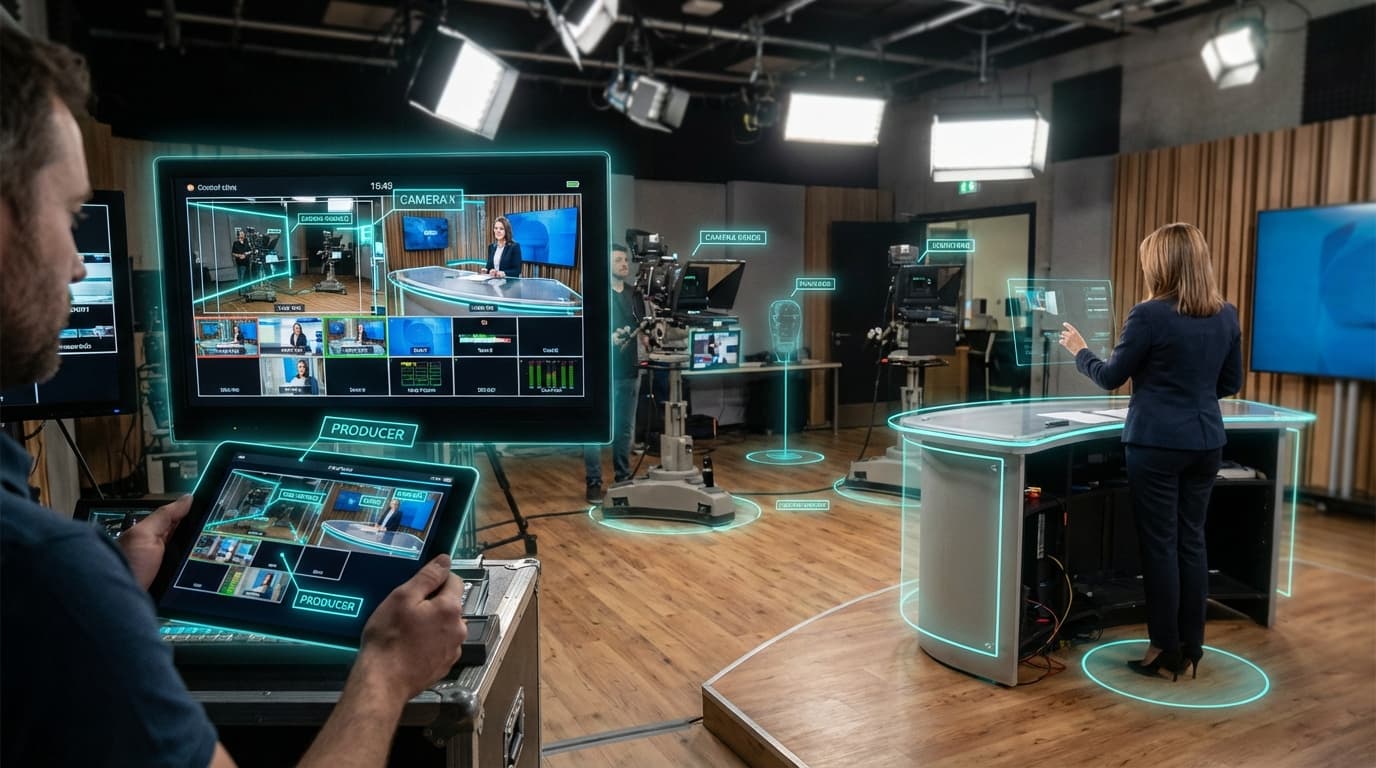
Persistent AR Cloud Layers
Persistent AR cloud layers stitch photogrammetry meshes, SLAM maps, and geopositioned anchors into a read/write substrate that multiple apps can reference. Instead of spawning ephemeral filters, creators store volumetric art, annotations, or gameplay objects in a cloud service that resolves to precise poses every time a camera revisits the site. Standards like OpenXR’s spatial anchors, Niantic’s Lightship VPS, and Open AR Cloud’s OGC pilots ensure anchors persist across devices, while edge caches keep latency low enough for multi-user interactions.
Cities are beginning to treat AR layers like digital street furniture: tourism boards leave holographic guides at heritage sites, retailers hang contextual signage outside storefronts, and civic labs label underground utilities for field crews. Cultural collectives in Seoul, São Paulo, and Nairobi deploy AR murals that only appear during festivals, while esports leagues scatter persistent loot caches around host cities. Because content persists, moderation, zoning, and monetization frameworks emerge—landlords can lease digital frontage, and communities can vote undesirable overlays off the block.
With TRL 5 deployments live, challenges span privacy (who owns passersby scans), safety (preventing anchor spam near roads), and interoperability. The Open Geospatial Consortium, ETSI, and the Open Metaverse Forum are defining discovery APIs, trust registries, and occlusion semantics so layers remain performant and respectful of local regulation. As 5G/6G positioning, edge inference, and visual inertial odometry mature, the AR cloud will feel less like a novelty overlay and more like an operating system for city-scale storytelling and machine-readable infrastructure.
Related Organizations

Creators of CausalImpact, a package for causal inference using Bayesian structural time-series.

AR platform company that develops the Lightship ARDK and owns Scaniverse, a 3D scanning app leveraging LiDAR.

Provides spatial mapping and visual positioning technology that allows for city-scale AR experiences; acquired by Hexagon.

Social media and camera company developing AR spectacles.

Through Copilot and the 'Recall' feature in Windows, Microsoft is integrating persistent memory and agentic capabilities directly into the operating system.

International consortium developing standards like GeoPose to ensure interoperability between different AR clouds and location services.

Japanese startup developing the '3D Scanner App' and AR cloud platform to enable multiplayer, persistent AR entertainment.
Italy · Startup
Italian startup providing a VPS SDK for mapping cities and anchoring persistent content, with significant coverage in European cities.

Spatial data company that integrated mobile LiDAR support into their capture app, democratizing real estate digital twins.
Supporting Evidence
Research this in Signals
Signals turns a topic into a sourced research record you can inspect and rerun. Your first scan is free, and this one starts with Persistent AR Cloud Layers already loaded, so edit it or scan as is.