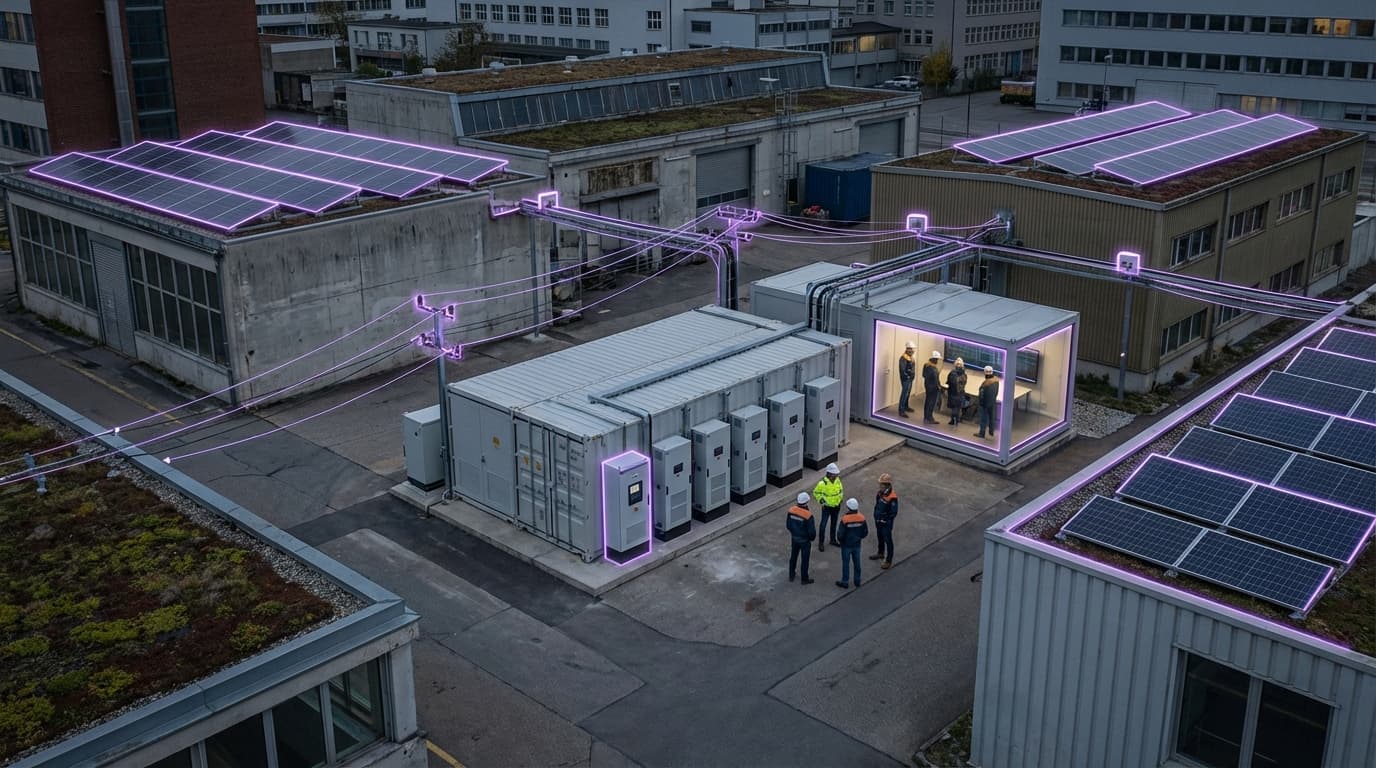
Integrated Autonomous Energy Grid
Integrated Autonomous Energy Grids (IAEG) represent next-generation power systems that seamlessly integrate diverse energy sources—renewable generation, energy storage, electric vehicles, and demand response—into a unified, intelligently managed network. These systems use AI and machine learning to predict energy supply and demand, optimize energy flows in real-time, automatically balance the grid, and respond to disruptions without human intervention. The technology creates a self-organizing energy system that can adapt to changing conditions, integrate distributed resources, and maintain stability despite the variability of renewable sources.
The technology addresses critical challenges in transitioning to renewable energy: intermittency of solar and wind power, complexity of managing distributed resources, need for real-time balancing, and ensuring grid stability. IAEG systems can predict renewable generation based on weather forecasts, optimize energy storage charging and discharging, coordinate electric vehicle charging to balance demand, and automatically reroute power around failures. Applications include smart city energy systems, microgrids that can operate independently, and integration of community solar and storage. Utilities and technology companies are developing and deploying IAEG systems.
At TRL 7, integrated autonomous energy grids are being deployed in pilot projects and some commercial applications, though full autonomy and integration remain works in progress. The technology faces challenges including cybersecurity of autonomous systems, regulatory approval for automated grid control, integration with legacy infrastructure, and ensuring reliability of AI-driven decisions. However, as renewable energy adoption increases and grid complexity grows, IAEG becomes essential. The technology could enable high penetration of renewable energy while maintaining grid stability, reduce energy costs through optimization, improve resilience to disasters and attacks, and democratize energy by enabling communities to manage their own energy systems, potentially transforming how we generate, distribute, and consume electricity.
Related Organizations

Maintains the efficiency charts for solar cells and conducts foundational research on perovskite stability.

Provides a grid orchestration platform that gives utilities real-time visibility and control over local energy resources.

Develops advanced grid control software enabling utilities to manage distributed energy resources (DERs) and microgrids autonomously.

The technology arm of Octopus Energy, providing a deep-tech platform for smart energy management and grid flexibility.
Develops enterprise software that unlocks the value of distributed energy resources (DERs) through Virtual Power Plants (VPPs).
Canada · Company
Software engineering company delivering real-time energy management solutions.
Provides distributed energy resource management system (DERMS) software.

A global leader in AI-driven clean energy solutions and services.
AI and Machine Learning solutions for the energy industry, focusing on the grid edge.

Develops an independent marketplace for energy flexibility services.
Supporting Evidence
Research this in Signals
Signals turns a topic into a sourced research record you can inspect and rerun. Your first scan is free, and this one starts with Integrated Autonomous Energy Grid already loaded, so edit it or scan as is.