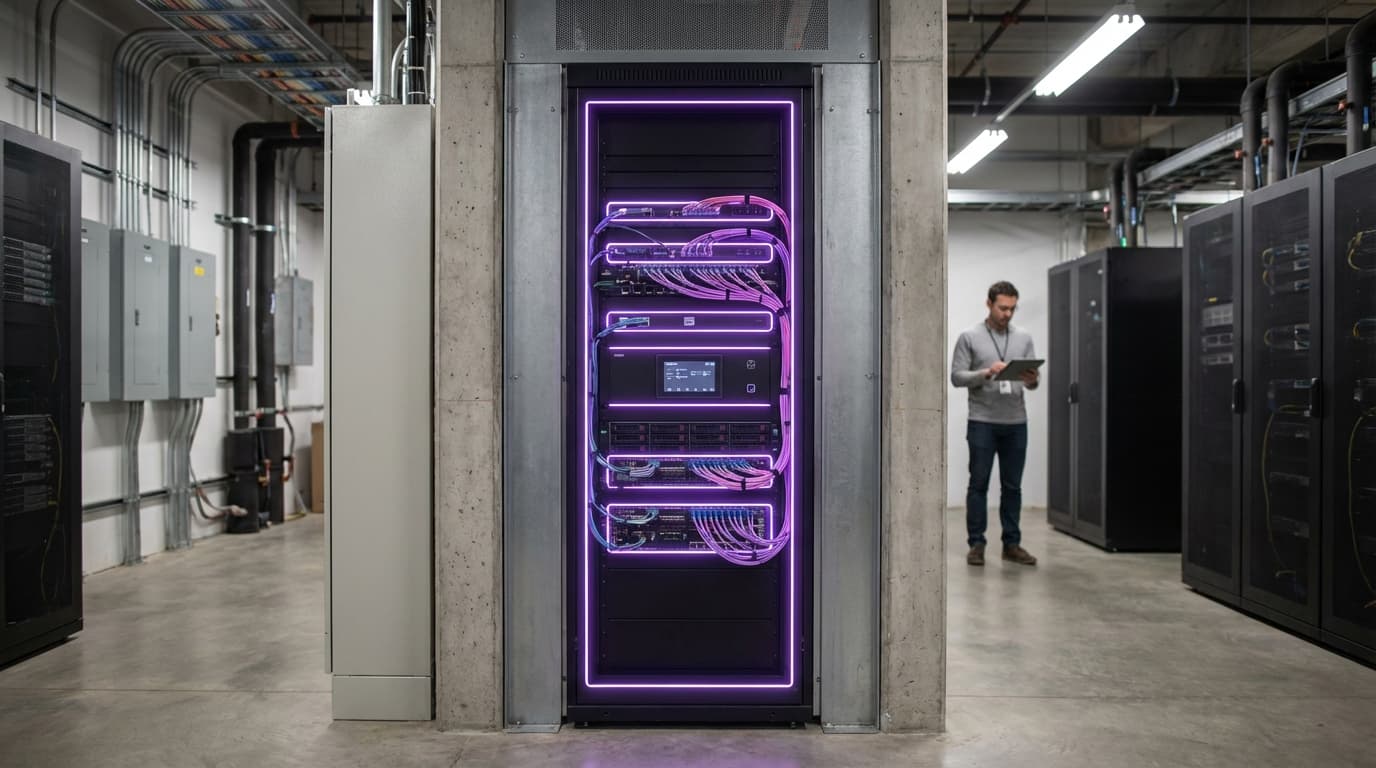
Cyber-Physical Security Platform
Cyber-physical security platforms provide comprehensive protection for systems that integrate digital control with physical processes, where cyber attacks can have direct physical consequences. These systems monitor both information technology (IT) networks and operational technology (OT) systems—industrial control systems, SCADA, building automation, vehicle systems—detecting anomalies, identifying threats, and coordinating responses across both domains. The platforms use AI and machine learning to identify attack patterns, correlate events across IT and OT systems, and automatically respond to threats while maintaining safe operation of physical processes.
The technology addresses the unique security challenges of cyber-physical systems where digital attacks can cause physical damage, safety hazards, or service disruptions. Traditional IT security approaches don't account for the physical consequences of attacks or the different requirements of operational technology. Cyber-physical security platforms bridge this gap, providing unified protection that understands both digital and physical aspects of systems. Applications include protecting industrial facilities, critical infrastructure (power grids, water systems), smart buildings, autonomous vehicles, and manufacturing systems. Security companies are developing specialized platforms for cyber-physical security.
At TRL 6, cyber-physical security platforms are being deployed in various applications, though integration and effectiveness continue to evolve. The technology faces challenges including the complexity of integrating IT and OT security, ensuring responses don't compromise safety or operations, detecting sophisticated attacks that mimic normal operations, and managing the diversity of legacy and modern systems. However, as cyber-physical systems become more common and attacks increase, comprehensive security becomes essential. The technology could protect critical infrastructure and industrial systems from cyber attacks that could cause physical damage or service disruptions, potentially preventing catastrophic failures, ensuring safety, and maintaining operations even under attack, though it requires deep understanding of both cybersecurity and physical system operations to be effective.
Related Organizations
Provides industrial cybersecurity platform for asset identification, threat detection, and response in OT environments.

Specializes in securing the Extended Internet of Things (XIoT), bridging the gap between IT, OT, and IoT security.

Delivers OT and IoT visibility and security, using AI to detect anomalies in industrial control networks.

Armis
United States · Startup
Asset intelligence platform that discovers and secures managed, unmanaged, and IoT/OT devices.

Provides a blockchain-protected cybersecurity mesh for industrial operations and critical infrastructure.

Offers OT-native network security solutions to protect industrial environments from cyberattacks.

Uses self-learning AI to detect and respond to cyber threats across IT and OT/industrial environments.

Provides automated cybersecurity across the digital terrain, including IT, OT, IoT, and IoMT.

Global specialist in energy management and automation that integrates cybersecurity into its industrial hardware and software.
Supporting Evidence
Research this in Signals
Signals turns a topic into a sourced research record you can inspect and rerun. Your first scan is free, and this one starts with Cyber-Physical Security Platform already loaded, so edit it or scan as is.