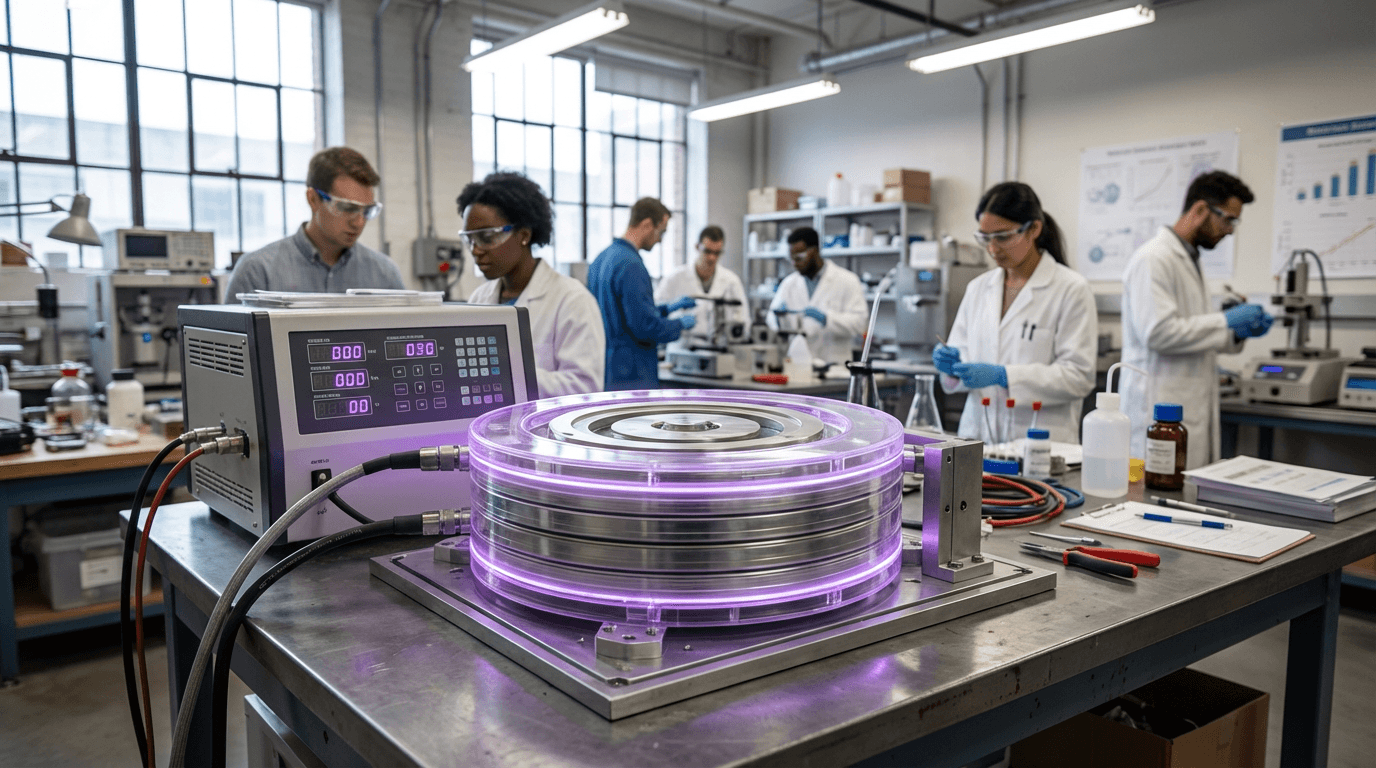
Circular Battery
Circular batteries are designed from the ground up for a closed-loop lifecycle, incorporating principles of reuse, refurbishment, remanufacturing, and recycling. These systems are engineered with modularity, standardized components, and materials that can be easily separated and recovered. The circular approach includes second-life applications where batteries no longer suitable for primary use (like in electric vehicles) are repurposed for stationary storage, refurbishment processes that restore performance, and advanced recycling that recovers high percentages of valuable materials like lithium, cobalt, and nickel for use in new batteries.
The technology addresses critical challenges in battery sustainability: resource scarcity of materials like lithium and cobalt, environmental impact of battery production and disposal, and the growing waste stream from batteries as electrification expands. Circular batteries can extend useful life through multiple applications, reduce demand for virgin materials, and minimize waste. Applications include electric vehicle batteries that transition to grid storage, modular battery systems designed for easy component replacement, and batteries with improved recyclability. Companies like Redwood Materials, Li-Cycle, and various battery manufacturers are developing circular battery systems and recycling processes.
At TRL 7, circular battery concepts are being implemented, with second-life applications and recycling programs operational, though full circularity remains a goal. The technology faces challenges including ensuring economic viability of recycling processes, maintaining performance through multiple lifecycles, developing efficient disassembly and sorting processes, and creating markets for recovered materials. However, as battery demand grows and resource constraints increase, circular approaches become essential. The technology could transform battery sustainability by creating closed-loop systems that minimize waste and resource consumption, potentially making battery technology truly sustainable while supporting the transition to renewable energy and electrification.
Related Organizations

Creates a closed-loop supply chain for lithium-ion batteries by recycling end-of-life batteries into critical materials.
Uses Spoke & Hub technologies to recover critical materials from lithium-ion batteries with high efficiency.

A battery manufacturer with a dedicated recycling program (Revolt) aiming for 50% recycled material in new cells by 2030.

Uses 'Hydro-to-Cathode' technology to synthesize new cathode active materials directly from spent Li-ion batteries.

Provides supply chain traceability and battery passports to ensure ethical sourcing and recycling verification.

Global materials technology group with extensive operations in battery recycling and refining.
B2U Storage Solutions
United States · Startup
Deploys second-life EV batteries in large-scale energy storage systems without repurposing or disassembly.
Germany · Startup
Offers a holistic battery recycling process recovering all elements (including Lithium and Graphite) with water-based recovery.

Major commodity trader investing heavily in circularity partnerships (e.g., with Li-Cycle and circular supply chains).
Supporting Evidence
Research this in Signals
Signals turns a topic into a sourced research record you can inspect and rerun. Your first scan is free, and this one starts with Circular Battery already loaded, so edit it or scan as is.