Universal Energy Access Initiatives
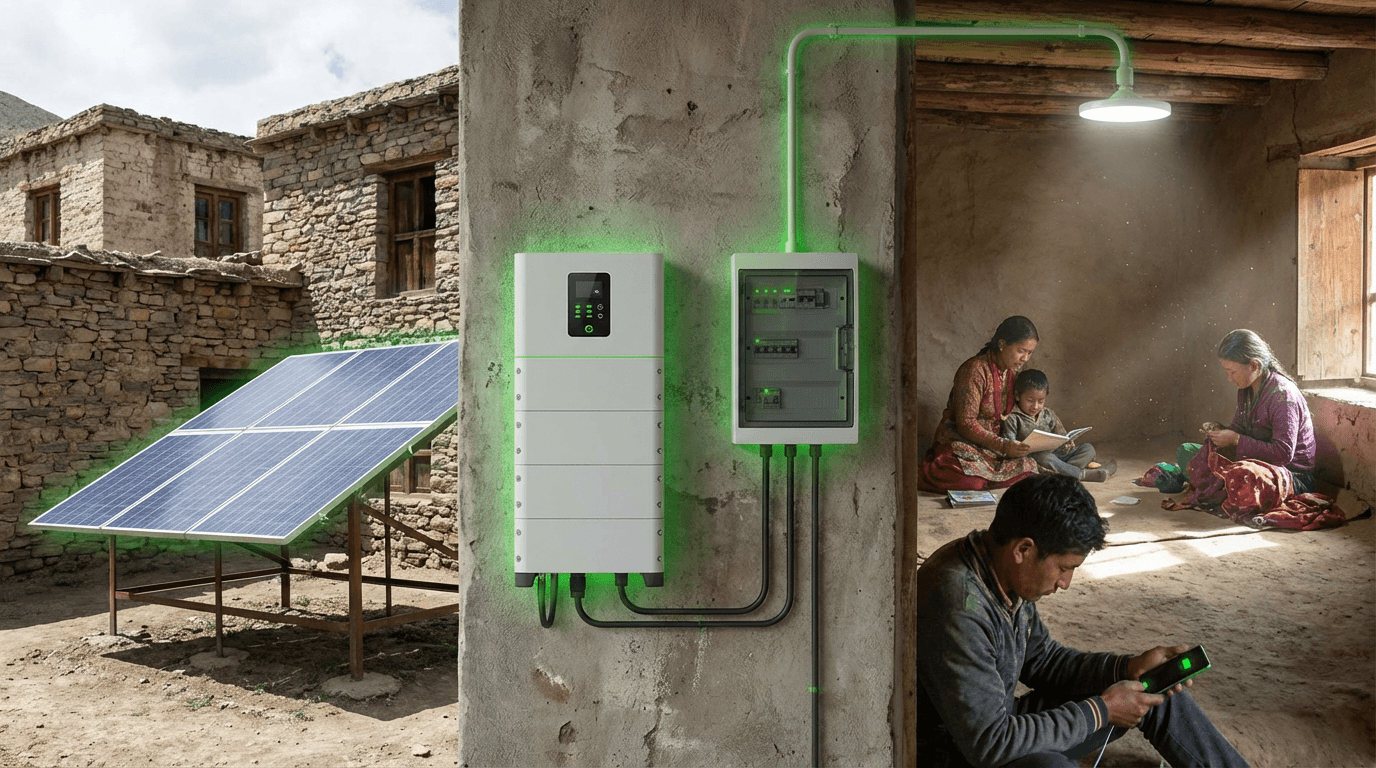
Universal Energy Access Initiatives represent a comprehensive approach to addressing one of the world's most persistent development challenges: the lack of reliable electricity for hundreds of millions of people, predominantly in Sub-Saharan Africa, South Asia, and remote island communities. These initiatives combine decentralized energy technologies with innovative policy frameworks and financing mechanisms to overcome the limitations of traditional grid extension, which often proves economically unfeasible in sparsely populated or geographically challenging areas. The technical foundation rests on modular solutions such as solar home systems that provide basic lighting and phone charging for individual households, mini-grids that serve entire villages or communities with locally generated renewable power, and increasingly sophisticated battery storage systems that ensure reliability. These systems typically employ photovoltaic panels, small-scale wind turbines, or micro-hydro installations, paired with smart metering and mobile payment platforms that enable pay-as-you-go models, making electricity affordable for low-income populations who previously relied on expensive and hazardous kerosene lamps or diesel generators.
The fundamental challenge these initiatives address is the energy access gap that perpetuates cycles of poverty and limits economic development in underserved regions. Without electricity, communities face severe constraints on educational opportunities as children cannot study after dark, health clinics cannot refrigerate vaccines or operate essential medical equipment, and small businesses cannot extend operating hours or adopt productivity-enhancing tools. Traditional utility models struggle with the high upfront costs of grid infrastructure relative to the low initial consumption and limited ability to pay in rural areas. Universal Energy Access Initiatives overcome these barriers through distributed generation that eliminates transmission losses and reduces infrastructure costs, while innovative financing approaches such as microloans, results-based financing, and public-private partnerships lower the barriers to entry for both providers and consumers. These programs also prioritize productive uses of electricity—such as powering irrigation pumps, grain mills, or cold storage facilities—that generate income and create a virtuous cycle of economic development and increased energy demand.
Early deployments across East Africa, India, and Southeast Asia demonstrate the transformative potential of these approaches. Organizations and governments have successfully deployed millions of solar home systems and thousands of mini-grids, with research suggesting that electrification correlates with improved educational outcomes, better health indicators, and increased economic activity in previously underserved communities. The sector has attracted significant investment from development finance institutions, impact investors, and increasingly commercial entities as business models mature and regulatory frameworks evolve to support off-grid solutions. Looking forward, these initiatives align with broader trends toward decentralized energy systems, renewable integration, and digital connectivity, as many programs now bundle electricity access with internet services and mobile banking. As battery costs continue to decline and solar efficiency improves, the economic case for distributed electrification strengthens, suggesting that universal energy access—long considered an aspirational goal—may become achievable within the coming decades, fundamentally reshaping development trajectories in the world's most energy-poor regions.
Related Organizations
An international organization working in partnership with the UN to drive action toward achieving SDG 7 (universal energy access).

A super platform providing access to essential products and services, primarily solar energy, via PAYG models in Africa.
A global leader in solar lighting and power products for households without reliable electricity, utilizing Pay-As-You-Go financing.

Operates one of the largest fleets of community solar microgrids in India and Africa.
A fintech and solar provider that pioneered the Pay-As-You-Go (PAYG) model for solar home systems in East Africa.

Formerly Greenlight Planet, Sun King designs, distributes, and finances solar home energy solutions for off-grid households.
The dedicated subsidiary of French utility Engie, focusing on off-grid solar and minigrids in Africa.

The global association for the off-grid solar energy industry, representing over 200 members.

A major philanthropic organization that launched the Pandemic Prevention Institute.
A technology company that designs and distributes distributed energy solutions for markets with unreliable grid infrastructure.
A global campaign and coalition accelerating the end of energy poverty through decentralized renewable energy.
Supporting Evidence
Research this in Signals
Signals turns a topic into a sourced research record you can inspect and rerun. Your first scan is free, and this one starts with Universal Energy Access Initiatives already loaded, so edit it or scan as is.