




Energy Trading Platforms for Blockchain
This page is broader than it.
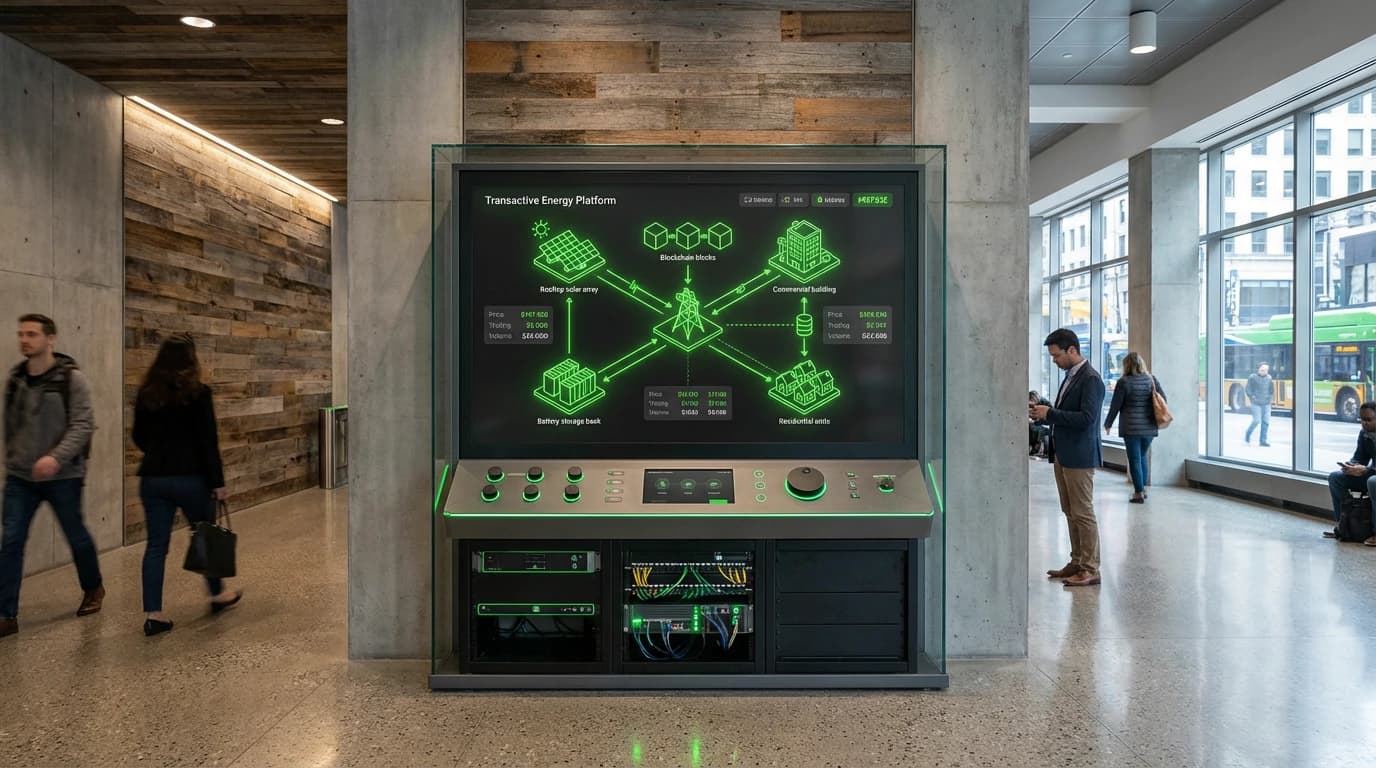
Transactive Energy Platforms represent a fundamental shift in how electricity is bought, sold, and distributed within power grids. These digital marketplaces leverage blockchain technology and smart contracts to enable direct energy transactions between producers and consumers, bypassing traditional utility intermediaries. At their core, these platforms utilize distributed ledger technology to create transparent, automated trading systems where energy transactions are recorded immutably and executed in near real-time. The technical architecture typically combines blockchain protocols with advanced metering infrastructure (AMI), Internet of Things (IoT) sensors, and artificial intelligence algorithms that match supply with demand at granular time intervals. Smart meters continuously monitor energy generation and consumption, while the blockchain layer ensures transaction security, validates ownership of energy credits, and automatically settles payments based on predefined contract terms.
The traditional energy grid operates as a centralized, one-directional system where utilities generate or purchase power and distribute it to passive consumers at regulated rates. This model struggles to accommodate the growing penetration of distributed energy resources such as rooftop solar installations, home battery systems, and electric vehicles that can both consume and supply power. Transactive Energy Platforms address this challenge by creating dynamic, localized energy markets that recognize and reward the bidirectional flow of electricity. They solve critical problems including grid congestion during peak demand periods, inefficient curtailment of renewable generation, and the lack of price signals that could incentivize beneficial energy behaviors. By enabling price discovery based on real-time supply and demand conditions, these platforms unlock new revenue streams for prosumers while potentially reducing overall system costs through better utilization of distributed assets and reduced need for expensive grid infrastructure upgrades.
Early pilot programs in regions with high renewable penetration have demonstrated the viability of peer-to-peer energy trading, with participants reporting both economic benefits and increased engagement with their energy consumption patterns. Research suggests that these platforms can facilitate the integration of variable renewable sources by creating financial incentives for flexible demand and local energy balancing. Current deployments range from neighborhood-scale microgrids where residents trade solar generation to larger community energy programs that aggregate distributed resources for grid services. Industry analysts note that regulatory frameworks are evolving to accommodate these new market structures, though challenges remain around consumer protection, grid stability requirements, and equitable access. As renewable energy costs continue declining and battery storage becomes more affordable, transactive energy platforms are positioned to play an increasingly important role in the transition toward decentralized, resilient, and sustainable power systems that empower consumers while maintaining grid reliability.
Develops a blockchain-enabled software platform for peer-to-peer energy trading, virtual power plants, and renewable energy certificate tracking.
A crowd-balancing platform founded by major European TSOs (TenneT, Swissgrid, Terna) to allow small consumer assets to participate in balancing markets.
Non-profit accelerating the energy transition using open-source digital technologies.
Provider of local energy marketplaces for zero-carbon grids.
Develops an open-source energy exchange engine (D3A) that simulates and operates local energy markets.
A blockchain-based P2P energy trading platform allowing homeowners to buy and sell electricity directly without intermediaries.
TenneT
Netherlands · Company
A leading European Transmission System Operator (TSO) actively piloting blockchain for grid stabilization.
Develops advanced grid control software enabling utilities to manage distributed energy resources (DERs) and microgrids autonomously.
Provides 'Powertracer', a software solution for energy traceability and community energy trading.
Centrica
United Kingdom · Company
A multinational energy services company that has conducted major trials in Local Energy Markets (LEM).
Published forecasts about this technology, graded against what happened in Hindsight.
Energy Trading Platforms for Blockchain
This page is broader than it.
Signals turns a topic into a sourced research record you can inspect and rerun. Your first scan is free, and this one starts with Transactive Energy Platforms already loaded, so edit it or scan as is.