Indigenous Energy Sovereignty
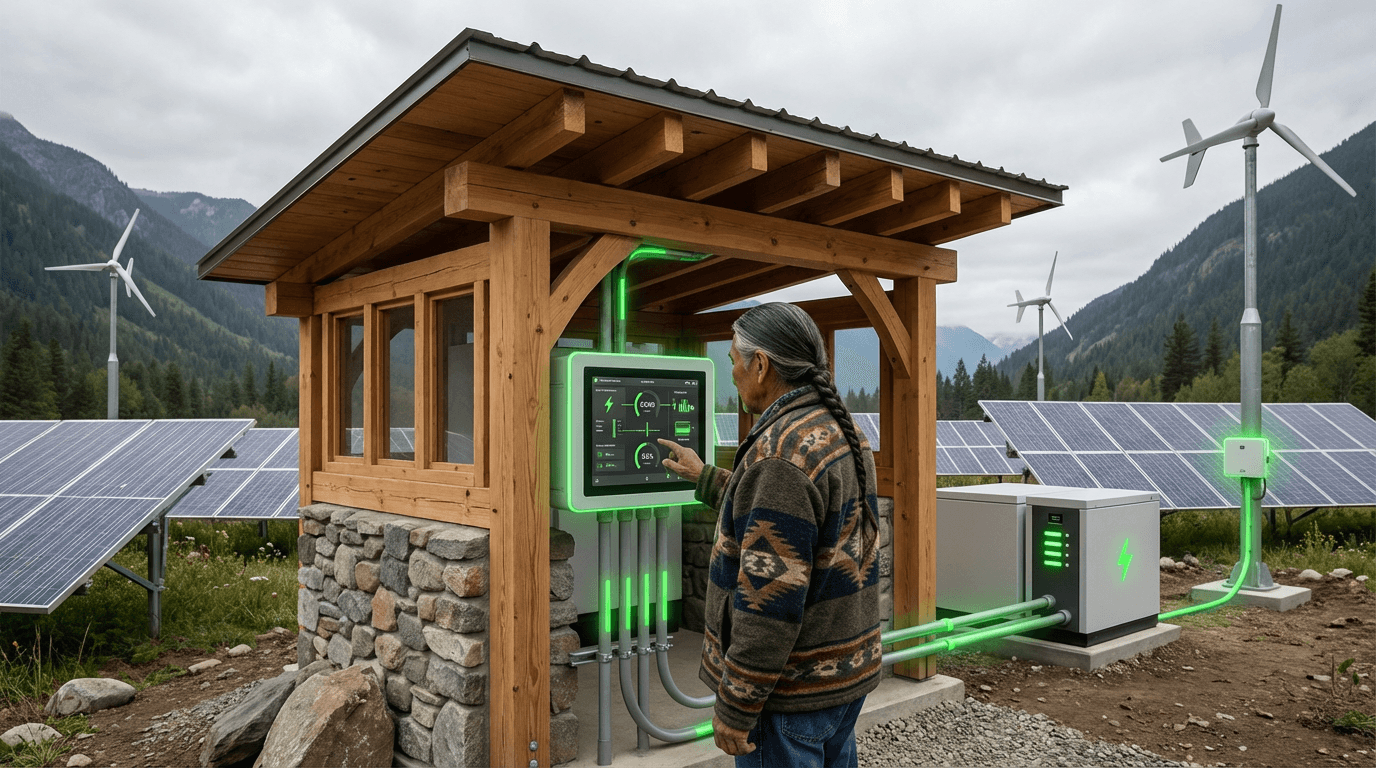
Indigenous Energy Sovereignty represents a fundamental shift in how energy infrastructure is developed and governed on Indigenous territories, addressing centuries of extractive practices that have proceeded without meaningful consent or benefit to Indigenous communities. This framework centers on the principle of self-determination, recognizing Indigenous peoples' inherent rights to control natural resources on their ancestral lands and to make decisions about energy development according to their own governance structures and values. At its core, the approach integrates traditional ecological knowledge with contemporary energy technologies, creating hybrid systems that respect cultural protocols while meeting modern energy needs. The framework operates through mechanisms such as free, prior, and informed consent (FPIC), which requires that Indigenous communities have the authority to approve or reject energy projects before development begins, along with the right to negotiate terms that align with community priorities and long-term wellbeing.
The energy sector has historically been characterized by top-down decision-making that has marginalized Indigenous voices, often resulting in environmental degradation, cultural disruption, and minimal economic benefits flowing to affected communities. Indigenous Energy Sovereignty addresses these systemic inequities by establishing new models of partnership and ownership. This approach enables communities to transition away from diesel dependency in remote areas, develop community-owned renewable energy projects that generate local employment and revenue, and ensure that energy development aligns with land stewardship practices that have sustained Indigenous territories for generations. Research suggests that Indigenous-led renewable energy projects often demonstrate higher rates of community acceptance and long-term sustainability compared to externally imposed developments, as they are designed to reflect local values, seasonal patterns, and intergenerational responsibilities.
Across various regions, Indigenous communities are implementing energy sovereignty through diverse pathways. Some communities have established wholly-owned solar and wind installations that provide reliable power while reducing dependence on fossil fuels and external utilities. Others have negotiated equity partnerships in larger renewable energy developments, ensuring meaningful participation in governance and revenue sharing. These initiatives often incorporate traditional knowledge into project design—such as considering wildlife migration patterns, sacred sites, and seasonal cycles—creating energy systems that honor cultural protocols while advancing climate goals. As the global energy transition accelerates, Indigenous Energy Sovereignty is increasingly recognized as essential not only for reconciliation and justice but also for achieving climate targets, as Indigenous territories contain significant renewable energy potential and Indigenous peoples have proven track records as environmental stewards. This convergence of rights-based frameworks, renewable technology, and traditional knowledge points toward energy futures that are more equitable, culturally grounded, and ecologically sustainable.
Related Organizations

A pan-Canadian organization dedicated to empowering Indigenous communities in the clean energy transition.

A licensed transmission company majority-owned by a partnership of 24 First Nations.

A coalition of First Nations working to ensure Indigenous environmental values and ownership models are integrated into major infrastructure and extractive projects.
A not-for-profit enterprise of the Navajo Nation.

The first 100% Indigenous-owned electricity transmission company in Canada.
Connects Indigenous communities with industry and government to develop energy projects.

Raven Indigenous Capital Partners
Canada · Company
An indigenous-led venture capital firm that uses a 'relationship-based' investment process rooted in indigenous culture, rejecting extractive VC models in favor of community reciprocity.
Nonprofit organization that installs solar power systems and provides job training for low-income families.
The largest federally recognized Indian tribe in California.
A Native-led nonprofit providing renewable energy training.
Supporting Evidence
Research this in Signals
Signals turns a topic into a sourced research record you can inspect and rerun. Your first scan is free, and this one starts with Indigenous Energy Sovereignty already loaded, so edit it or scan as is.