Energy Data Sovereignty
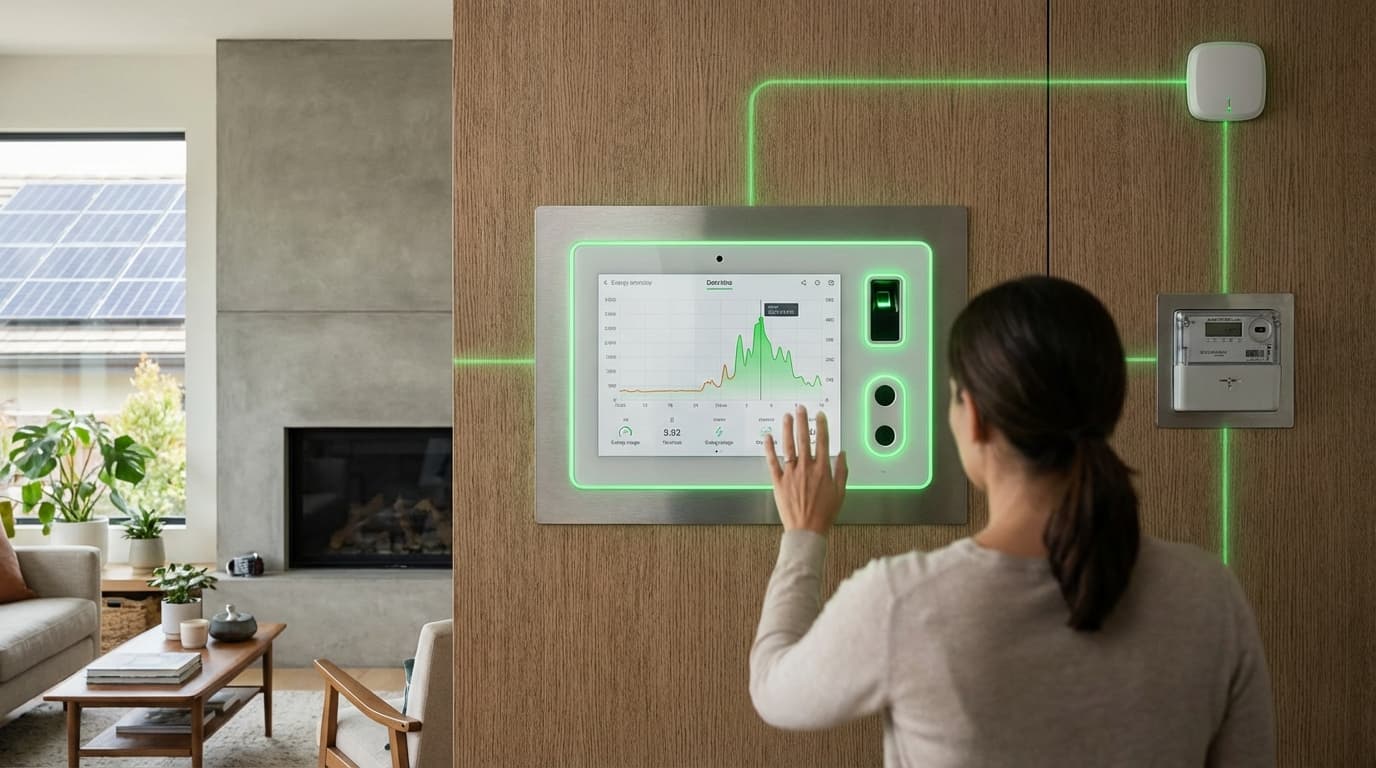
Energy Data Sovereignty represents a fundamental shift in how energy consumption information is controlled and utilized within modern power grids. As smart meters and Internet of Things (IoT) devices proliferate across residential, commercial, and industrial settings, they generate unprecedented volumes of granular data about energy usage patterns—often capturing consumption at intervals of 15 minutes or less. This technology establishes governance frameworks and technical architectures that place control of this sensitive information directly in the hands of consumers rather than utilities or third parties. At its core, Energy Data Sovereignty employs a combination of distributed ledger technologies, encrypted data vaults, and consent management systems that allow individuals and organizations to determine precisely who can access their energy data, for what purposes, and under what conditions. These frameworks typically incorporate privacy-preserving techniques such as data anonymization, differential privacy, and secure multi-party computation to enable valuable analytics while protecting individual identities and behaviors.
The energy sector faces a critical tension between the need for detailed consumption data to optimize grid operations and the imperative to protect consumer privacy. Traditional utility data management practices have often treated consumption information as a corporate asset, with limited transparency about how it is stored, analyzed, or shared with third parties. This approach has raised significant concerns about surveillance, discriminatory pricing, and unauthorized commercial exploitation of personal behavior patterns. Energy Data Sovereignty addresses these challenges by establishing clear data ownership rights and creating technical infrastructure for granular consent management. This enables new business models where consumers can selectively share their data with energy service providers, demand response aggregators, or renewable energy platforms in exchange for personalized recommendations, dynamic pricing benefits, or participation in virtual power plants. The framework also supports regulatory compliance with data protection requirements such as GDPR in Europe or emerging privacy legislation in other jurisdictions, while maintaining the data flows necessary for grid stability and decarbonization efforts.
Early implementations of Energy Data Sovereignty are emerging across Europe, where regulatory frameworks like the EU's Clean Energy Package explicitly recognize consumer rights to energy data. Several utilities and technology providers have launched platforms that give customers dashboard access to their consumption patterns along with granular controls over data sharing permissions. These systems are proving particularly valuable in enabling peer-to-peer energy trading, where prosumers with solar panels or battery storage can share both energy and associated consumption data with neighbors or community energy cooperatives. Research initiatives are exploring how blockchain-based data marketplaces could allow consumers to monetize their anonymized consumption patterns while contributing to grid optimization and renewable energy forecasting. As the energy transition accelerates and distributed energy resources become more prevalent, Energy Data Sovereignty frameworks will likely become essential infrastructure for balancing the competing demands of grid intelligence, consumer privacy, and market innovation. This technology represents a crucial step toward democratizing the energy system, ensuring that the benefits of digitalization are shared equitably while protecting fundamental rights to privacy and self-determination in an increasingly data-driven energy landscape.
Related Organizations

Non-profit accelerating the energy transition using open-source digital technologies.
A European initiative developing a federated data infrastructure to ensure data sovereignty and availability across Europe.
Manages the Green Button standard, which allows utility customers to download their usage data or authorize third-party access.

Estonia's TSO, which developed Estfeed, a data exchange platform enabling consumers to share meter data securely.
The Danish national transmission system operator, which operates the DataHub to democratize access to energy data.

Promotes a standard for data sovereignty and data exchange, defining the reference architecture for International Data Spaces (IDS).
A coalition of technology companies advocating for policies that give consumers access to their own energy usage data.
A Dutch Distribution System Operator (DSO) that champions open data and consumer privacy in smart metering.

A Linux Foundation project dedicated to open-source software for the energy transition, including data standards.
Develops the Tangle, a feeless distributed ledger specifically designed for the Internet of Things (IoT) data and value transfer.
A decentralized data exchange protocol that allows data to be tokenized and sold while preserving privacy (Compute-to-Data).
Supporting Evidence
Research this in Signals
Signals turns a topic into a sourced research record you can inspect and rerun. Your first scan is free, and this one starts with Energy Data Sovereignty already loaded, so edit it or scan as is.