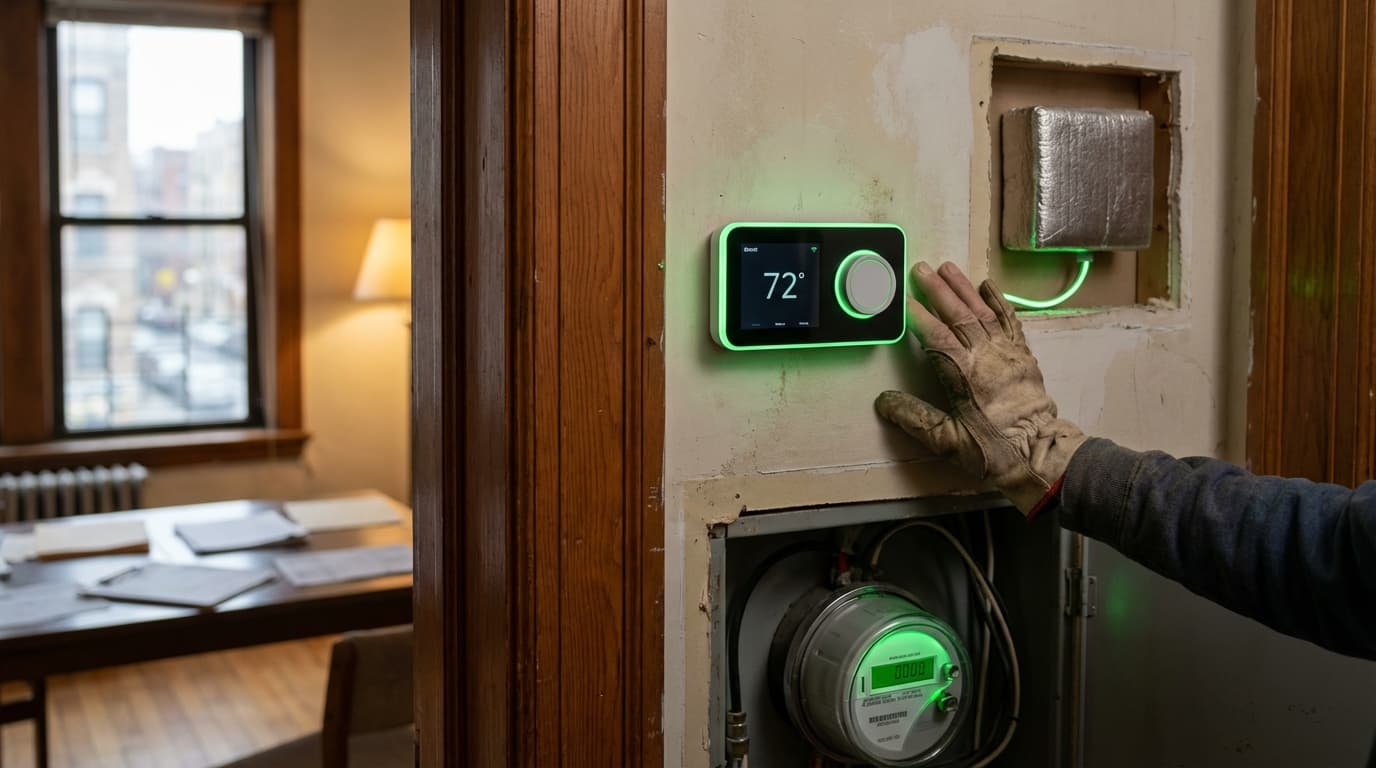
Energy Burden Reduction Programs
Energy poverty in developed nations manifests when households spend a disproportionate share of their income on energy bills, often exceeding 6-10% of total household income compared to the 2-3% average for middle-income families. Energy Burden Reduction Programs represent a coordinated set of interventions designed to address this persistent inequality by targeting the structural and economic factors that drive excessive energy costs for low-income households. These programs recognize that energy poverty is not merely about affordability but encompasses issues of housing quality, utility rate structures, and access to modern, efficient appliances. The technical approach combines weatherization services—including insulation upgrades, air sealing, and HVAC system improvements—with financial mechanisms such as progressive rate design, where the cost per kilowatt-hour decreases for essential baseline consumption, and direct bill assistance that provides subsidies or payment plans tailored to household income levels.
The fundamental challenge these programs address is the vicious cycle where low-income households occupy older, poorly insulated housing stock that requires more energy for heating and cooling, while simultaneously having the least financial capacity to invest in efficiency improvements or absorb utility cost fluctuations. Traditional utility rate structures often penalize high consumption without accounting for inefficient housing conditions, effectively imposing a regressive tax on vulnerable populations. Energy Burden Reduction Programs break this cycle by providing upfront capital for efficiency retrofits that households could not otherwise afford, while simultaneously reforming rate structures to ensure that essential energy needs remain affordable. This dual approach not only reduces monthly energy expenditures but also improves indoor air quality, thermal comfort, and overall housing conditions, creating health co-benefits that extend beyond simple cost savings.
Current implementations across North America and Europe demonstrate measurable impacts, with comprehensive weatherization programs typically reducing energy consumption by 20-35% in treated homes while bill assistance programs provide immediate relief during seasonal peaks or economic hardship. Some utilities have pioneered percentage-of-income payment plans that cap energy bills at affordable levels, ensuring that households can maintain essential services without choosing between heating and other necessities. Looking forward, these programs are increasingly integrating with broader climate equity initiatives, recognizing that the transition to clean energy must not exacerbate existing inequalities. As energy systems evolve toward electrification and renewable integration, Energy Burden Reduction Programs will play a critical role in ensuring that the benefits of grid modernization reach all communities, particularly those historically marginalized in energy policy decisions. The growing recognition of energy access as a fundamental right rather than a commodity is driving policy innovations that embed affordability and equity into the core design of utility regulation and energy assistance frameworks.
Related Organizations

Federal agency administering the Low Income Home Energy Assistance Program (LIHEAP).
Nonprofit organization that installs solar power systems and provides job training for low-income families.

A climate tech startup that trains and hires local workforces in underserved communities to install heat pumps and green building tech.
A nonprofit research organization that develops policies to reduce energy waste and combat climate change.

Designs and implements programs that reduce costs, protect people and the environment, and ensure the benefits of clean energy reach those who need them most.

Provides solar power and energy efficiency solutions to low-to-moderate income homeowners.

Builds community power by connecting solar power with economic empowerment for marginalized communities.

Connects households to community solar farms, using an inclusive credit metric (EnergyScore) to qualify low-income customers.

The largest provider of energy efficiency programs in North America, implementing utility programs.

Delivers energy efficiency and grid optimization programs for utilities.

An independent, non-partisan nonprofit organization transforming global energy use to create a clean, prosperous, and secure low-carbon future.

Home wellness company that finances and manages home weatherization and electrification projects.
Supporting Evidence
Research this in Signals
Signals turns a topic into a sourced research record you can inspect and rerun. Your first scan is free, and this one starts with Energy Burden Reduction Programs already loaded, so edit it or scan as is.