Industrial Demand Flexibility
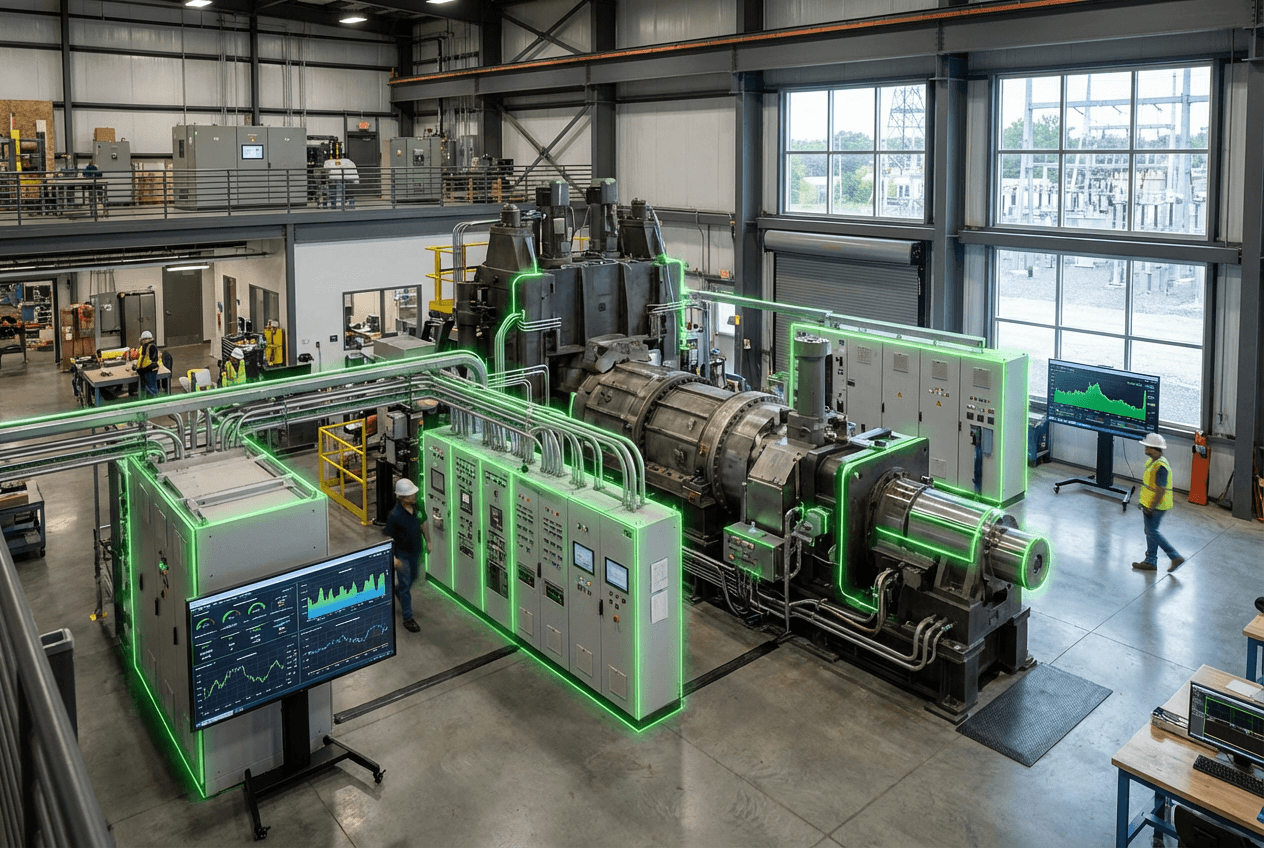
Industrial demand flexibility represents a paradigm shift in how energy-intensive industries interact with the electrical grid, transforming traditionally inflexible industrial loads into dynamic grid assets. Rather than operating at constant power consumption levels, facilities such as aluminum smelters, cement plants, steel mills, chemical processors, and data centers can now modulate their energy usage in response to real-time grid conditions. This capability relies on sophisticated control systems that monitor grid frequency, voltage, and pricing signals, automatically adjusting production processes within acceptable operational parameters. For aluminum smelting, this might involve temporarily reducing the current supplied to electrolytic cells; for cement plants, it could mean shifting the timing of grinding operations; and for data centers, it involves intelligent workload migration and cooling system optimization. The technical foundation includes advanced power electronics, automated control systems, and communication infrastructure that enables millisecond-to-minute response times to grid operator requests.
The fundamental challenge this technology addresses is the growing mismatch between variable renewable energy generation and traditional baseload industrial consumption patterns. As wind and solar power constitute larger portions of the energy mix, grid operators face increasing difficulty maintaining the precise balance between supply and demand required for grid stability. Industrial facilities typically represent 30-50% of total electricity consumption in developed economies, yet have historically operated as inflexible loads that cannot easily adjust to fluctuating renewable output. This inflexibility has forced grid operators to maintain expensive backup generation capacity and sometimes curtail renewable energy during periods of oversupply. By enabling industrial loads to ramp up during periods of abundant renewable generation and reduce consumption during shortages, demand flexibility unlocks what researchers describe as "virtual power plants" embedded within existing industrial infrastructure. This capability is particularly valuable for providing ancillary services such as frequency regulation, voltage support, and operating reserves—services traditionally supplied by fossil fuel generators that must remain online specifically for grid balancing purposes.
Early deployments of industrial demand flexibility programs have demonstrated substantial technical and economic potential, with pilot projects in Europe, North America, and Australia showing that participating facilities can provide grid services while maintaining production targets and product quality. Aluminum smelters have proven particularly adept at this role, as their electrolytic processes can tolerate brief power reductions without compromising the final product. Data centers are increasingly participating through sophisticated load orchestration that shifts computational workloads geographically and temporally to match renewable availability. Industry analysts note that the economic incentives are becoming increasingly attractive as grid operators develop compensation mechanisms that reward flexibility, with some facilities generating significant revenue streams from capacity payments and energy arbitrage. Looking forward, the integration of industrial demand flexibility with energy storage systems and hydrogen production facilities promises to create even more sophisticated grid management capabilities, enabling higher renewable penetration rates while maintaining industrial competitiveness and grid reliability.
Related Organizations

Energy management company helping businesses monetize their energy assets.

Aluminum producer that developed the 'Virtual Battery' concept for smelters.

Connects distributed energy resources to electricity markets, focusing heavily on commercial and industrial VPPs.


Aggregator optimizing flexible electricity consumption for industrial partners.

Provides an intelligent energy platform that connects industrial and commercial assets to energy markets for automated demand response and frequency response.

A flexibility aggregator that connects industrial processes to the grid for balancing services.

Smart grid technology company enabling large electricity consumers to aid the grid.

SaaS platform for independent aggregators and retailers to manage flexibility.

Supporting Evidence
Research this in Signals
Signals turns a topic into a sourced research record you can inspect and rerun. Your first scan is free, and this one starts with Industrial Demand Flexibility already loaded, so edit it or scan as is.