Advanced Geothermal Systems
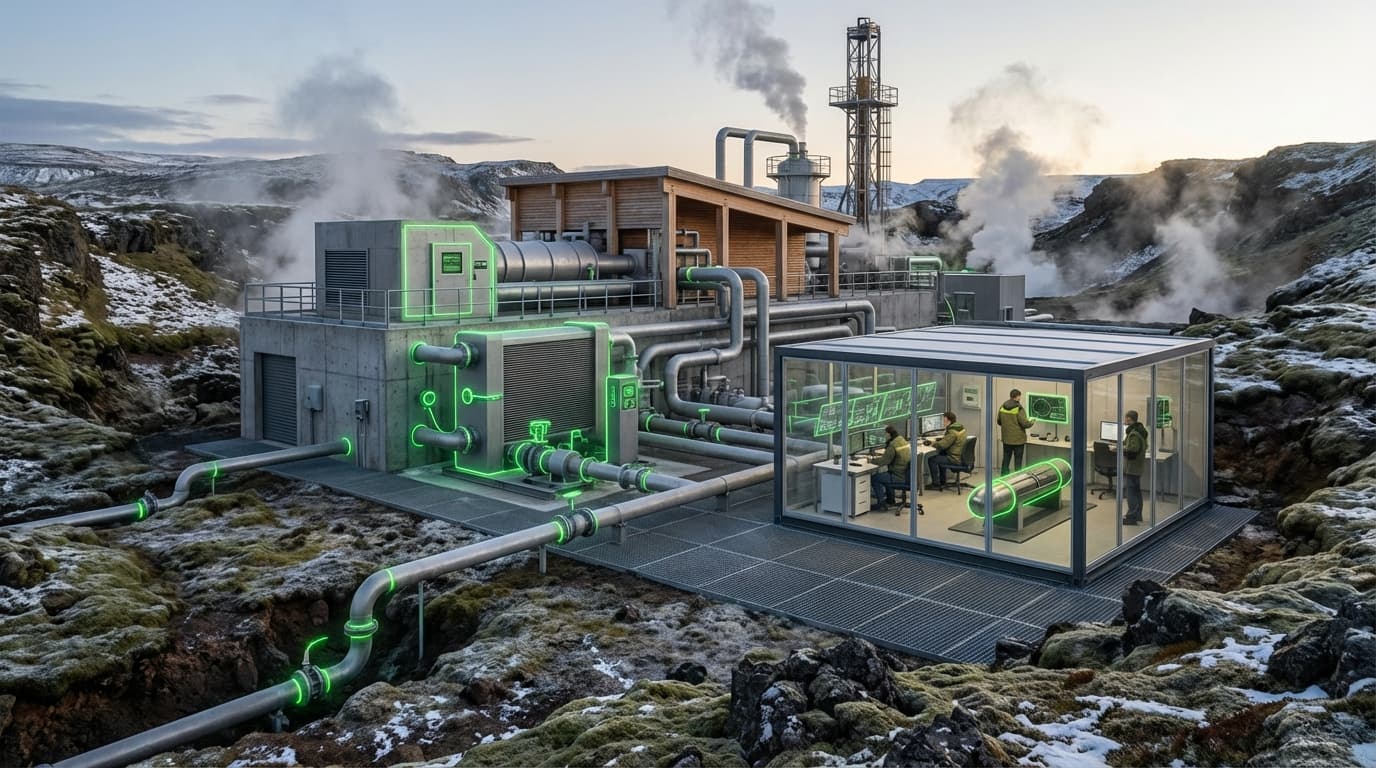
Advanced geothermal systems represent a significant evolution beyond conventional geothermal energy, which has historically been limited to regions with naturally occurring hydrothermal reservoirs near tectonic plate boundaries. Enhanced Geothermal Systems (EGS) work by creating artificial reservoirs in hot, dry rock formations deep underground, typically at depths of three to five kilometers. The process involves drilling wells into these formations and hydraulically fracturing the rock to create a network of permeable pathways. Water is then circulated through these engineered fractures, heated by the surrounding rock, and brought back to the surface to generate electricity or provide direct heating. Closed-loop systems take a different approach, circulating fluid through sealed wellbores without direct contact with the surrounding rock, eliminating concerns about induced seismicity and water consumption. Both approaches rely on advanced drilling technologies borrowed and adapted from the oil and gas industry, including directional drilling capabilities and high-temperature materials that can withstand the extreme conditions found at depth.
The fundamental challenge these technologies address is the geographic limitation of conventional geothermal energy, which has confined development to a small fraction of the world's surface area. By accessing the heat that exists virtually everywhere beneath the Earth's surface, advanced geothermal systems could theoretically provide baseload renewable energy to any location willing to drill deep enough. This dispatchability—the ability to generate power on demand regardless of weather conditions—fills a critical gap in renewable energy portfolios increasingly dominated by intermittent solar and wind resources. Unlike these variable sources, geothermal power can operate continuously at high capacity factors, often exceeding 90 percent, making it an ideal complement to grid decarbonization efforts. The technology also addresses the growing need for firm, clean energy that can support grid stability without relying on fossil fuel backup generation or extensive battery storage systems.
Several pilot projects and early commercial deployments are currently underway across multiple continents, with research suggesting that costs could decline significantly as drilling efficiency improves and economies of scale emerge. The United States Department of Energy has identified advanced geothermal as a priority technology, supporting research into novel drilling methods and heat extraction techniques. Industry analysts note that the convergence of improved drilling technologies, higher energy prices, and policy support for carbon-free generation is creating favorable conditions for broader deployment. Applications extend beyond electricity generation to include district heating systems, industrial process heat, and even direct air capture of carbon dioxide, where the constant heat source can power energy-intensive carbon removal processes. As the global energy transition accelerates and the demand for reliable, carbon-free power intensifies, advanced geothermal systems are positioned to play an increasingly important role in diversifying renewable energy portfolios and providing the firm capacity necessary for grid reliability in a decarbonized future.
Related Organizations

Develops Eavor-Loop, a closed-loop geothermal system that circulates fluid through sealed wellbores.
Adapts horizontal drilling and distributed fiber optic sensing from the oil and gas industry to geothermal.
Utah FORGE
United States · Research Lab
A dedicated underground field laboratory sponsored by the DOE for developing EGS technologies.

Developing millimeter-wave drilling technology to vaporize rock and reach superhot geothermal depths.

Focuses on SuperHot Rock (SHR) geothermal energy technology development.

A specialized investment entity focused on scaling geothermal power worldwide, backing companies like Chevron and Eavor.

Develops GreenLoop technology to retrofit existing non-productive wells for geothermal power generation.

Combines geothermal energy with energy storage using fracture technology to harvest heat and pressure.
Chevron New Energies
United States · Company
The renewable energy arm of Chevron, actively investing in and piloting EGS and closed-loop geothermal.

A leading geothermal operator now integrating EGS stimulation techniques into its portfolio to expand capacity.

Developing Zero Carbon Lithium extraction from geothermal brines in the Upper Rhine Valley.
Supporting Evidence
Research this in Signals
Signals turns a topic into a sourced research record you can inspect and rerun. Your first scan is free, and this one starts with Advanced Geothermal Systems already loaded, so edit it or scan as is.