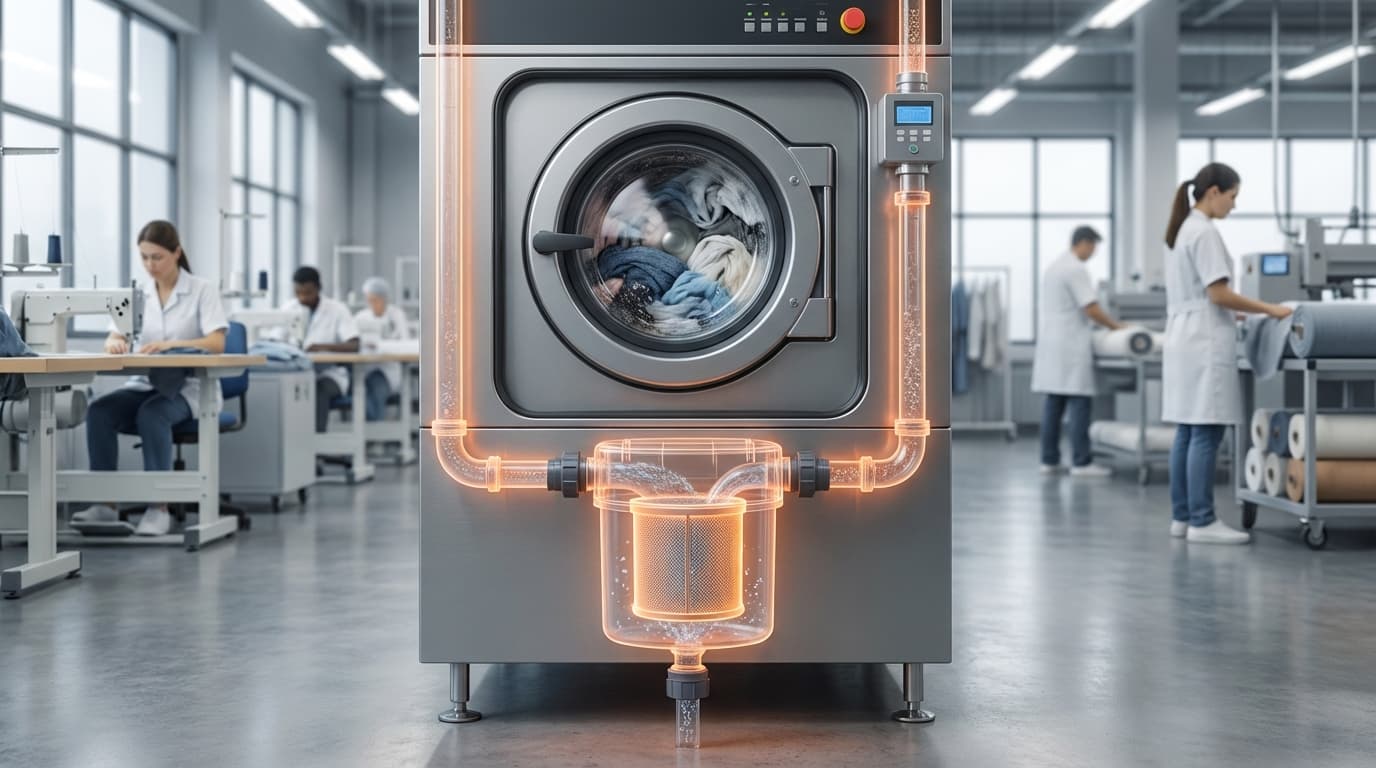
Microplastic Filtration Technologies
Microplastic filtration technologies prevent synthetic microfibers from entering water systems during garment washing through various approaches including washing machine filters, fabric treatments that reduce shedding, and improved textile construction methods. Synthetic textiles like polyester and nylon shed millions of microfibers during each wash cycle, which pass through wastewater treatment plants and enter oceans, where they accumulate and cause environmental harm.
This innovation addresses one of fashion's most significant but least visible environmental impacts: the continuous release of microplastics from synthetic textiles. By capturing microfibers at the source (washing machines) or preventing their release (through fabric treatments), these technologies can dramatically reduce the flow of microplastics into water systems. Companies are developing washing machine filters, fabric coatings, and construction methods to address this problem, with some solutions already commercially available.
The technology is becoming increasingly important as awareness of microplastic pollution grows and regulations begin to address this issue. As synthetic textiles continue to dominate the market, finding effective ways to prevent microfiber release is crucial for reducing fashion's environmental impact. However, the most effective solutions may require changes at multiple levels: fabric construction, washing machine design, and consumer behavior. The technology represents an important intervention in the product lifecycle, addressing pollution that occurs during use rather than just production or disposal.
Related Organizations

Engineering company developing 'Gulp', a self-cleaning, retrofittable washing machine filter that captures microplastics without disposable cartridges.

Develops retrofit microfiber filters for washing machines that capture 90% of microfibers before they enter the drain.

Created 'XFiltra', a washing machine filtration technology designed to be integrated directly by appliance manufacturers.

Creators of the Guppyfriend Washing Bag, a simple consumer solution that filters microfibers during the wash cycle.

Industry organization developing test methodologies and standards to measure and reduce fiber fragmentation in textiles.

Launched the world's first washing machine with a built-in microfiber filtration system (FiberCatcher) under their Grundig brand.

Developed the 'Indy' filter, a retrofittable microfiber filter for washing machines using a cartridge system.


Home to the International Marine Litter Research Unit (Prof. Richard Thompson), which pioneered research on washing machines as a source of microplastics.

International research and testing center that certifies medical compression textiles (RAL-GZ 387).
Supporting Evidence
Research this in Signals
Signals turns a topic into a sourced research record you can inspect and rerun. Your first scan is free, and this one starts with Microplastic Filtration Technologies already loaded, so edit it or scan as is.