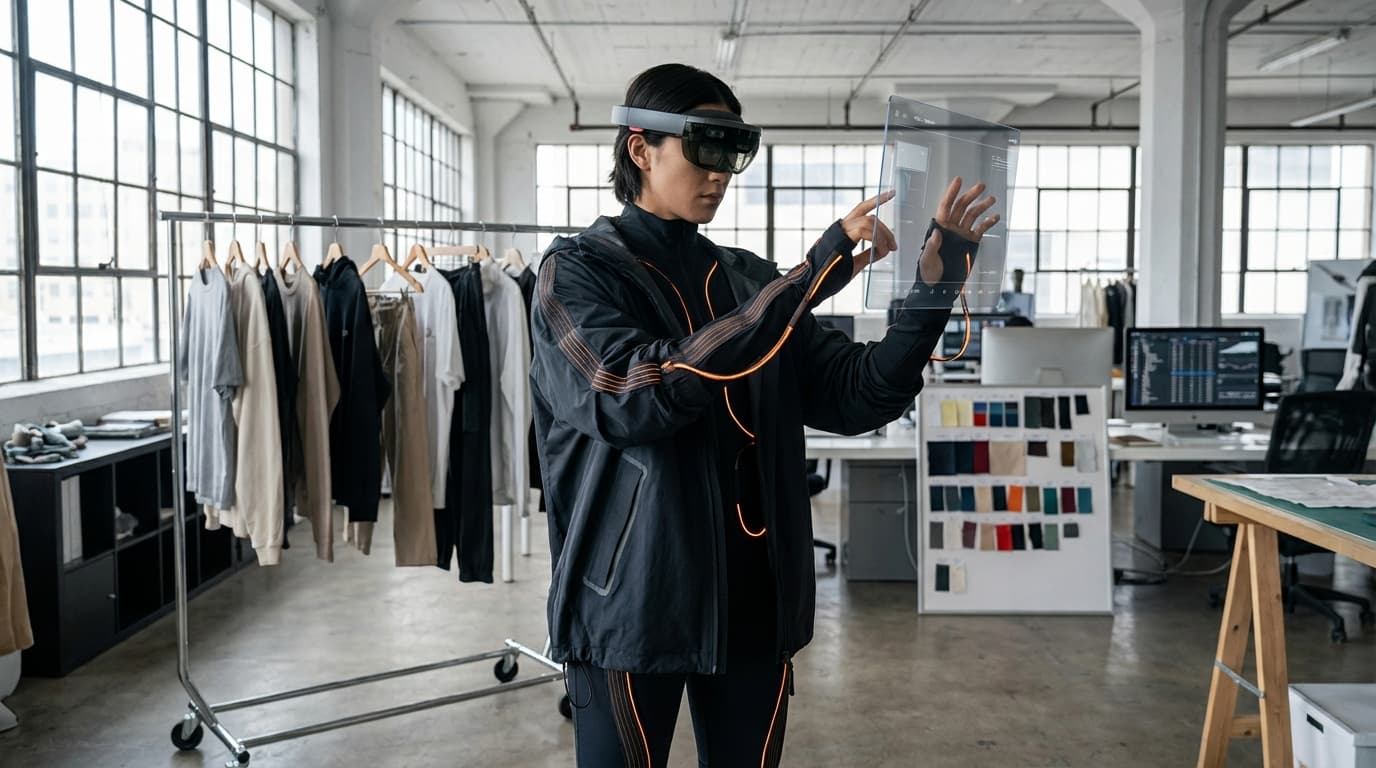
Haptic Feedback Suits for VR/AR
Haptic feedback suits integrate arrays of actuators throughout the garment that can generate tactile sensations including pressure, vibration, temperature changes, and texture simulation in response to digital signals from virtual or augmented reality systems. These systems use various technologies including pneumatic actuators, electric motors, thermal elements, and shape-memory alloys to create realistic physical sensations that correspond to virtual experiences.
This innovation addresses the sensory gap in virtual reality, where visual and auditory immersion is possible but tactile feedback has been limited. By providing full-body haptic feedback, these suits enable more immersive and realistic virtual experiences for gaming, training simulations, remote collaboration, and social interaction. Companies like Teslasuit, bHaptics, and various research institutions are developing these technologies, though they remain largely in early commercial stages due to technical complexity and cost.
The technology is particularly significant for applications where realistic tactile feedback enhances the value of virtual experiences, such as professional training, therapeutic applications, or high-end entertainment. As the technology improves and costs decrease, haptic feedback suits could become essential accessories for VR/AR systems, enabling truly immersive experiences that engage multiple senses and bridge the gap between physical and digital worlds.
Related Organizations

Produces haptic vests and accessories for VR, providing SDKs to sync tactile feedback with game events.

Produces a full-body haptic suit using electro-muscle stimulation (EMS) and TENS to simulate physical sensations.

Creates a haptic gaming suit that uses electrostimulation to simulate physical sensations synchronized with gameplay.

Fashion technology brand known for the 'Sound Shirt', which translates music into tactile sensations for the deaf.

Develops industrial-grade haptic gloves using microfluidic technology to simulate realistic touch and resistance.

Develops the Quest Pro and research prototypes (Butterscotch, Starburst) focusing on foveated systems.

Develops tactile audio technology and wearable vests that allow users to feel bass frequencies.

Consumer electronics company making haptic vests and straps using oscillating frame actuators (Osci).

The world leader in mid-air haptics and hand tracking, formed from the merger of Ultrahaptics and Leap Motion.
Supporting Evidence
Research this in Signals
Signals turns a topic into a sourced research record you can inspect and rerun. Your first scan is free, and this one starts with Haptic Feedback Suits for VR/AR already loaded, so edit it or scan as is.