Biosynthetic Bonding Devices
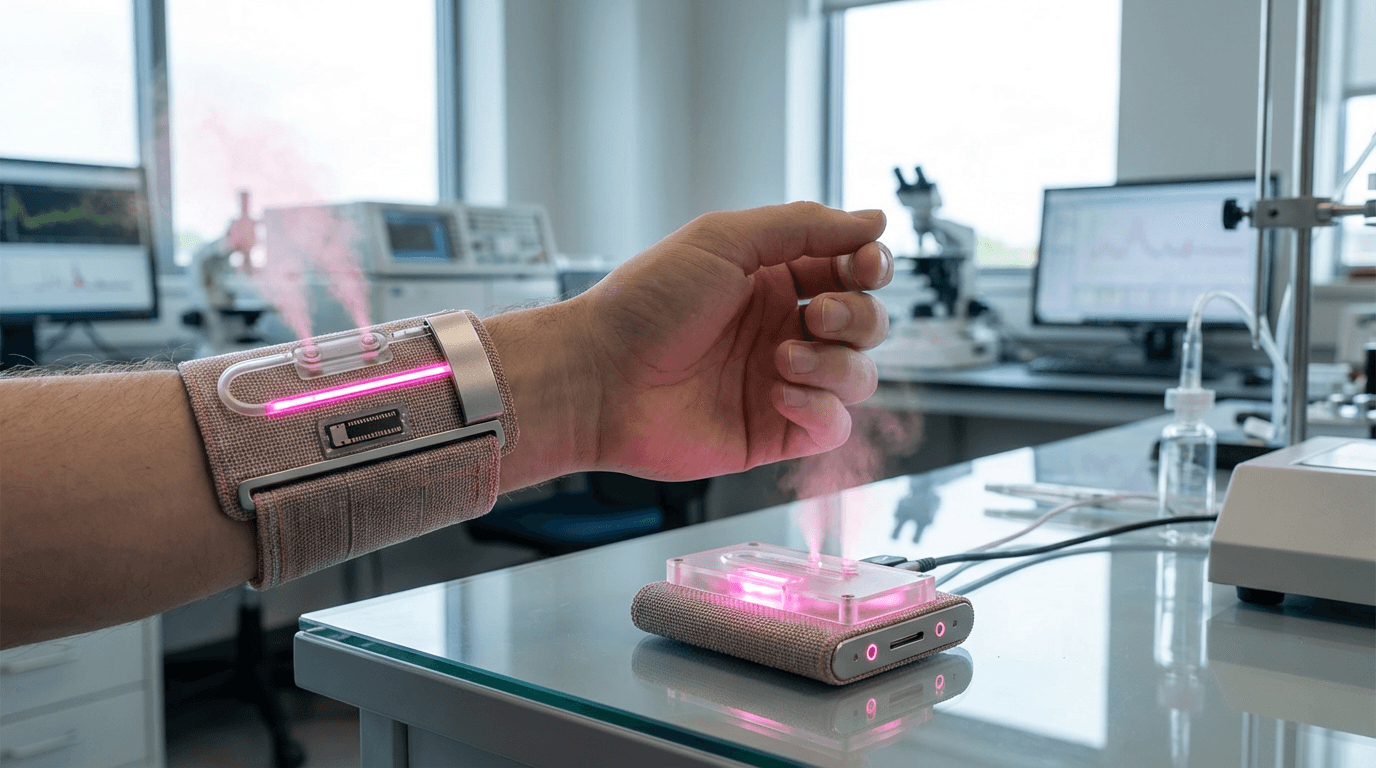
Biosynthetic bonding devices represent an emerging category of wearable technology designed to modulate human social and emotional responses through controlled release of neurochemicals and biochemical signals. These devices typically function through transdermal patches, micro-needle arrays, or inhalation mechanisms that deliver compounds such as synthetic oxytocin, engineered pheromone analogs, or other bonding-related biochemicals directly into the user's system. The underlying principle draws from neuroscience research indicating that certain naturally occurring chemicals play significant roles in trust formation, emotional attachment, and social recognition. By replicating or enhancing these biochemical pathways, the technology aims to influence the neurological substrates of human connection. Some prototypes incorporate biometric sensors that monitor physiological indicators like heart rate variability, cortisol levels, or galvanic skin response to calibrate dosing in real-time, creating a feedback loop between emotional state and chemical intervention.
The development of these devices addresses several challenges within therapeutic and relationship contexts. Traditional approaches to treating attachment disorders, social anxiety, or trauma-related intimacy difficulties often rely on lengthy psychological interventions with variable outcomes. Research suggests that controlled biochemical augmentation could potentially accelerate therapeutic processes or provide support during critical relationship moments such as conflict resolution or reconnection after separation. The technology also responds to growing interest in optimising human performance and well-being through biological enhancement, extending beyond cognitive or physical augmentation into the emotional and social domains. However, this capability introduces complex ethical considerations around authenticity and agency in human relationships. Questions emerge about whether chemically-mediated bonding experiences constitute genuine connection or represent a form of emotional manipulation, even when consensually applied. Concerns about psychological dependency, consent frameworks when both partners use such devices, and potential misuse in coercive contexts have prompted calls for careful regulatory oversight as the technology develops.
Current implementations remain largely experimental, with most applications confined to clinical research settings exploring therapeutic uses for conditions like autism spectrum disorders, post-traumatic stress disorder, or severe attachment difficulties. Some wellness technology companies have begun exploring consumer applications, though regulatory barriers and ethical concerns have slowed commercial deployment. The trajectory of biosynthetic bonding devices intersects with broader trends in neurotechnology, personalised medicine, and the quantified self movement, suggesting potential integration with other relationship technologies such as biometric compatibility tracking or emotion-sensing systems. As understanding of human neurochemistry deepens and delivery mechanisms become more sophisticated, these devices may evolve from therapeutic tools into more widespread relationship enhancement technologies, fundamentally altering how humans approach emotional intimacy and social bonding in an increasingly technology-mediated world.
Related Organizations

A leading research hub focused on the neurobiology of social bonding, empathy, and the specific role of oxytocin and vasopressin.

Develops a wearable neckband that uses ultra-low radio frequency energy to mimic the magnetic signature of molecules.

Produces a wearable that delivers silent, soothing vibrations to the body to improve resilience to stress.

Develops non-invasive vagus nerve stimulation technology to restore autonomic balance and reduce chronic stress.

Develops a device using infrasonic resonance to tone the vagus nerve and lower stress biomarkers.

Creates wearables that use BLAST (Bi-Lateral Alternating Stimulation Tactile) technology to reduce stress.

Thync
United States · Company
Pioneers in consumer neurostimulation devices that shift mental states (calm/energy) using electrical stimulation.


Develops biofeedback sensors focused on Heart Rate Variability (HRV) to train the nervous system.

Develops a tDCS headset for brain stimulation, primarily for depression but utilizing technology relevant to cognitive performance.
Supporting Evidence
Research this in Signals
Signals turns a topic into a sourced research record you can inspect and rerun. Your first scan is free, and this one starts with Biosynthetic Bonding Devices already loaded, so edit it or scan as is.