Long-Distance Ritual Platforms
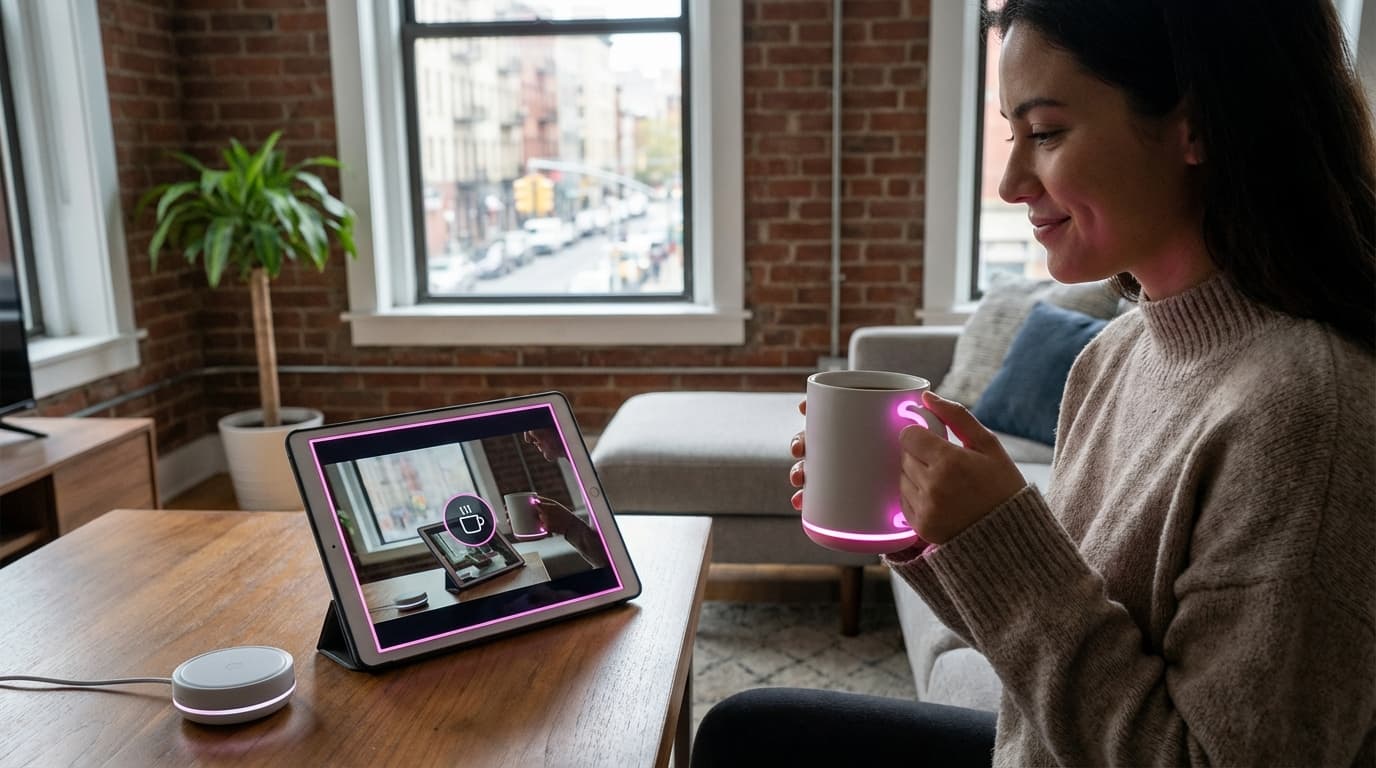
Long-distance relationships have historically struggled with the challenge of maintaining emotional intimacy across physical separation. Traditional communication tools like video calls and messaging apps provide connectivity but often lack the structural rhythms that naturally emerge when people share physical space. The fundamental problem is that spontaneous moments of connection—morning coffee together, evening walks, bedtime conversations—disappear when partners live apart, leaving relationships dependent on scheduled calls that can feel transactional rather than organic. Long-Distance Ritual Platforms address this gap by creating technological frameworks specifically designed to replicate the cadence and texture of co-located intimacy. These applications work by establishing recurring micro-rituals that partners perform together at designated times, using a combination of synchronized audio, video, ambient environmental cues, and gentle notification systems. Rather than simply opening a video window, these platforms might coordinate morning alarm sounds, stream ambient audio from each partner's environment during breakfast, or trigger simultaneous prompts for evening reflection. The technology emphasizes temporal synchronization and sensory presence, creating what researchers describe as "ambient co-presence"—the feeling of being together without requiring constant active engagement.
The relationship technology industry has long recognized that existing communication tools inadequately serve the emotional architecture of intimate partnerships. Video calling platforms optimize for meetings and conversations but fail to capture the quiet, parallel activities that constitute much of shared domestic life. Long-Distance Ritual Platforms solve this by shifting focus from conversation to co-experience, enabling partners to maintain relationship rhythms even when separated by continents. This approach addresses the documented phenomenon of "relationship drift" in long-distance couples, where the absence of daily touchpoints gradually erodes emotional synchronization. By structuring predictable moments of connection—whether a five-minute morning coffee ritual or a synchronized evening walk where partners hear each other's footsteps and breathing—these platforms help maintain what psychologists call "relational continuity." The technology also reduces the cognitive burden of constantly negotiating when and how to connect, instead embedding connection into the natural flow of daily life through gentle, non-intrusive prompts and automated coordination.
Early implementations of ritual-focused relationship platforms have appeared primarily in the consumer app space, with several startups exploring features like synchronized meditation sessions, shared meal times with ambient video, and coordinated sleep routines. These applications typically integrate calendar systems to account for time zone differences, use ambient audio mixing to create a sense of shared space, and employ haptic feedback through smartphones to signal partner presence. Some platforms incorporate wearable device integration, allowing partners to feel each other's heartbeat or receive gentle vibrations when the other person is thinking of them. The approach reflects broader trends in relationship technology toward what industry observers call "ambient intimacy"—maintaining connection through low-effort, high-frequency touchpoints rather than intensive scheduled interactions. As remote work and global mobility continue to normalize geographic separation in relationships, these platforms represent a shift from treating distance as an obstacle to be overcome through better video quality toward accepting distance as a condition requiring fundamentally different relationship practices. The technology suggests a future where digital tools don't just facilitate communication but actively structure the temporal and sensory patterns that sustain emotional bonds across space.
Related Organizations

Developer of the Bond Touch bracelets that allow users to send haptic touches to partners over long distances.

A connected wooden box that spins when a message arrives via app, creating a physical ritual for digital messaging.

A leading app for couples to improve communication and stay connected.

A smart jewelry company creating necklaces and bracelets that vibrate and light up to signal a partner's touch.
Developer of 'Between', a private social network for couples with shared calendars and memory boxes.

App allowing users to send 'senses' (hugs, kisses, pinches) and track partner's mood and biometrics.

Develops a widget that allows users to send photos directly to a partner's home screen.

Browser extension for synchronizing video playback and group chat for Netflix, Disney+, etc.
Supporting Evidence
Research this in Signals
Signals turns a topic into a sourced research record you can inspect and rerun. Your first scan is free, and this one starts with Long-Distance Ritual Platforms already loaded, so edit it or scan as is.