Predictive Maintenance Analytics
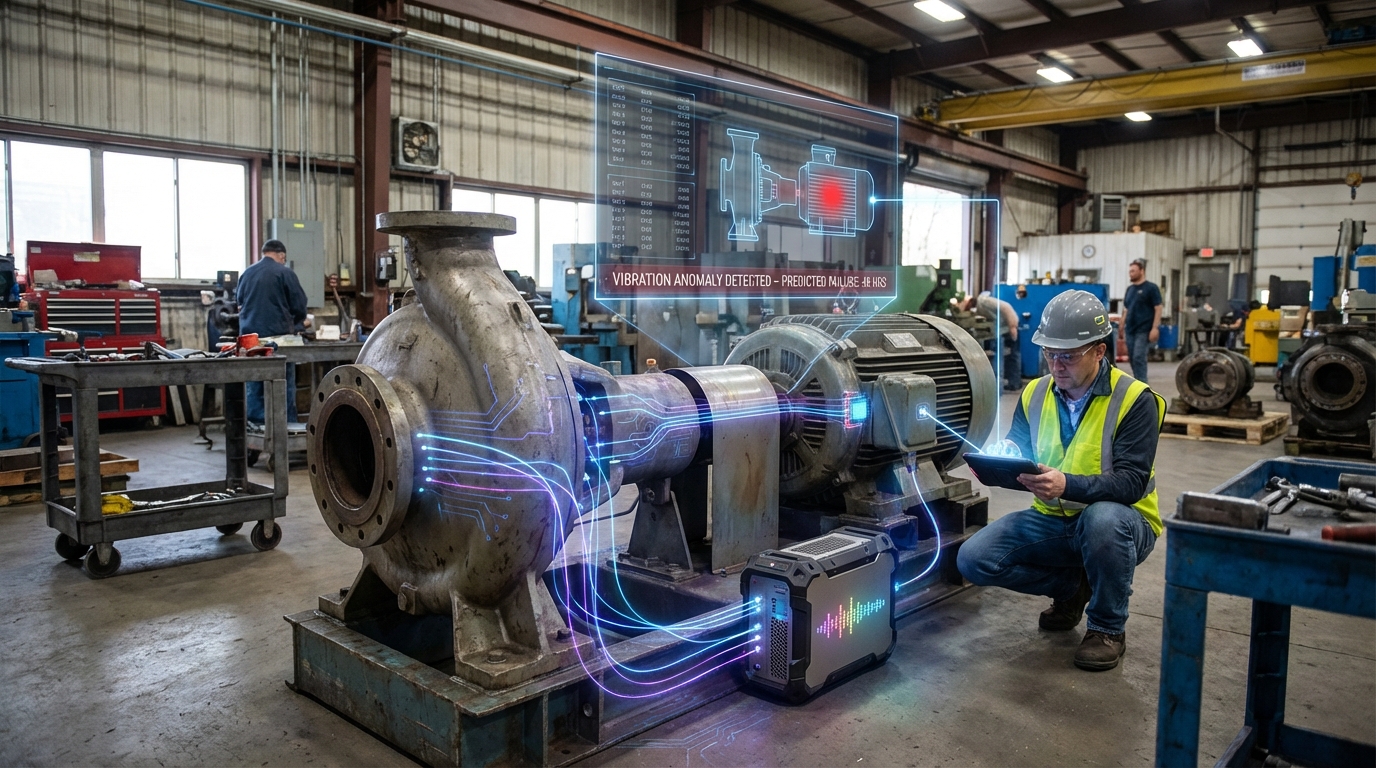
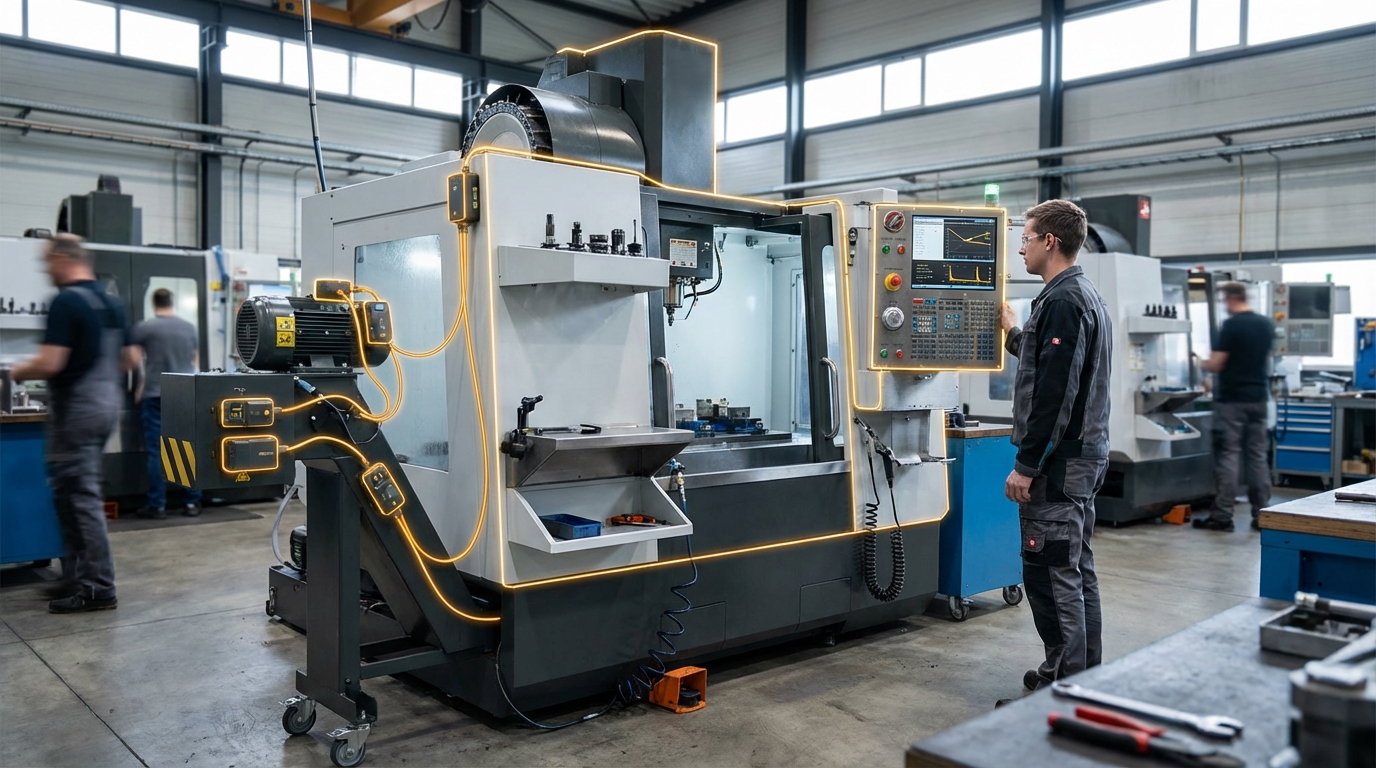
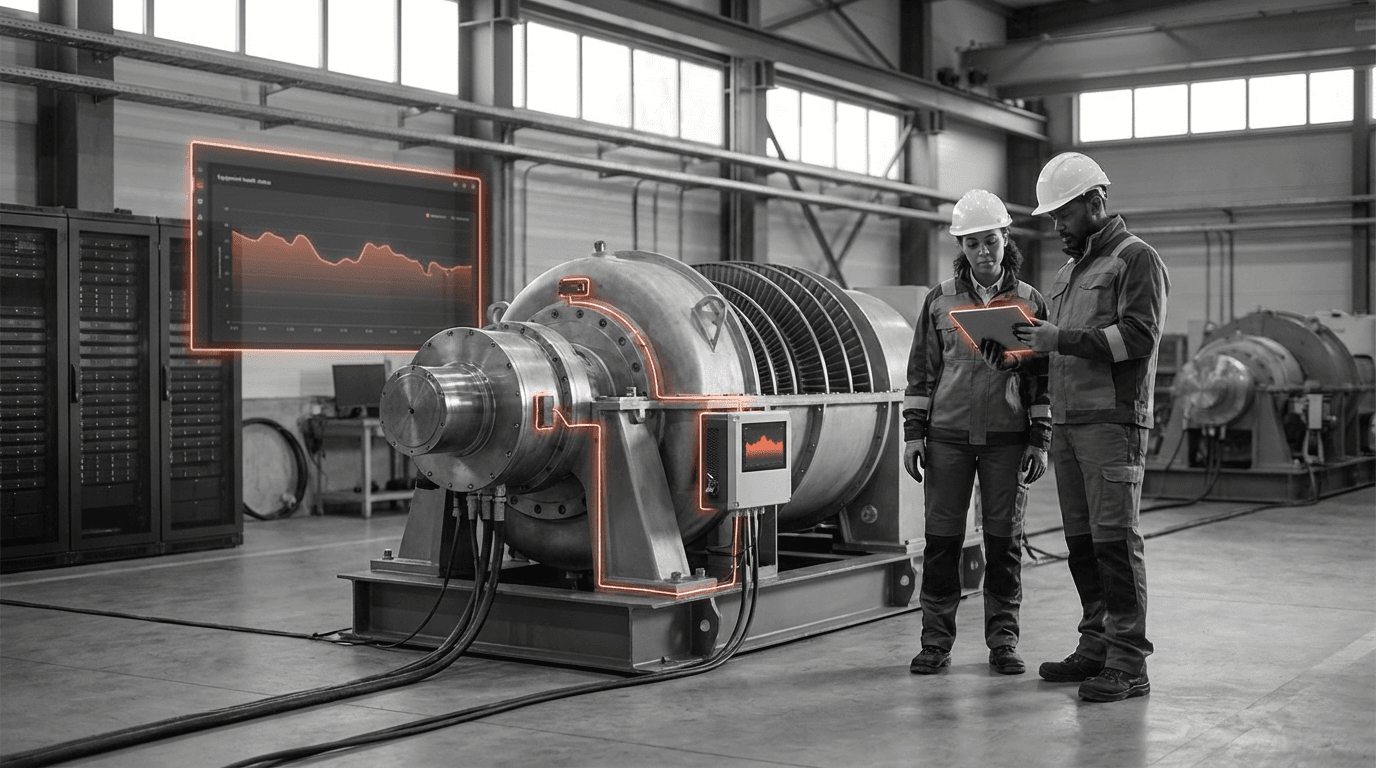
Predictive maintenance analytics represents a fundamental shift in how industrial organizations manage their physical assets, moving from reactive or time-based maintenance strategies to data-driven, condition-based approaches. At its core, this technology leverages the continuous stream of data generated by sensors embedded in industrial equipment—monitoring variables such as vibration, temperature, pressure, acoustic emissions, and power consumption. These sensors create a comprehensive digital representation of equipment health, capturing subtle changes in operating conditions that may indicate developing problems. Machine learning algorithms then analyze these data streams, identifying patterns and anomalies that correlate with specific failure modes. The system learns from historical failure data, establishing baseline performance profiles for different equipment types and operating conditions. When sensor readings begin to deviate from these baselines in ways that historically preceded failures, the system generates alerts that enable maintenance teams to intervene before catastrophic breakdowns occur. This approach relies on sophisticated statistical techniques, including time-series analysis, anomaly detection algorithms, and classification models that can distinguish between normal operational variations and genuine precursors to equipment failure.
The industrial challenges addressed by predictive maintenance analytics are substantial and long-standing. Unplanned equipment failures in manufacturing, energy production, and other heavy industries can result in costly production stoppages, missed delivery commitments, and safety hazards. Traditional preventive maintenance strategies, which rely on fixed schedules or operating hours, often lead to unnecessary interventions that waste resources and may inadvertently introduce new problems through over-maintenance. Conversely, reactive maintenance—waiting until equipment fails before taking action—maximizes the risk of catastrophic failures that damage surrounding systems and create dangerous conditions. Predictive maintenance analytics solves these problems by enabling a more nuanced understanding of equipment condition, allowing organizations to perform maintenance only when needed and before failures occur. This approach optimizes the balance between equipment availability and maintenance costs, extending asset lifespans while reducing the inventory of spare parts that must be maintained. The technology also enables better resource planning, as maintenance activities can be scheduled during planned downtime rather than forcing emergency responses that disrupt production schedules and require premium labor costs.
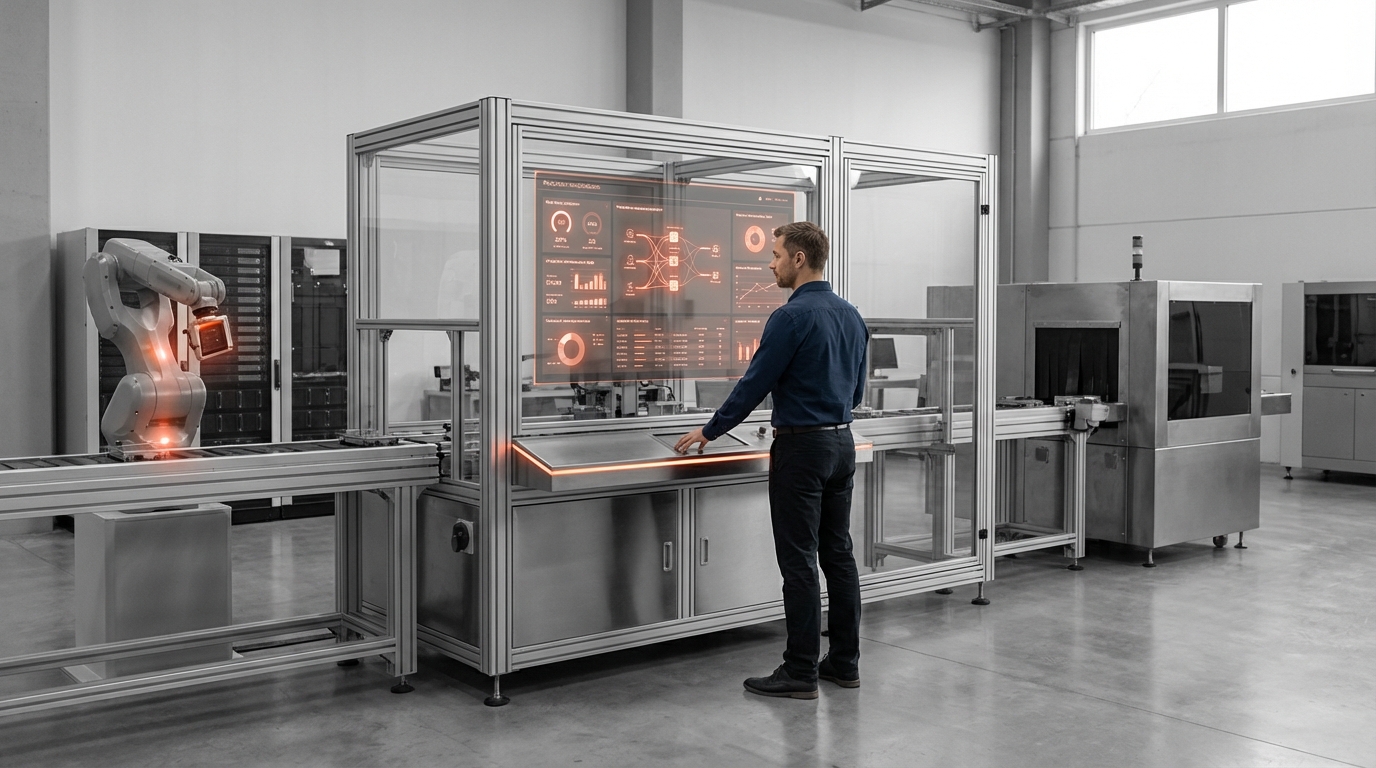
Industrial deployments of predictive maintenance analytics have expanded significantly as sensor costs have declined and cloud computing platforms have made sophisticated analytics more accessible to organizations of all sizes. Manufacturing facilities now routinely monitor critical production equipment, while energy companies apply these techniques to turbines, transformers, and pipeline infrastructure. Early implementations focused on the most critical and expensive assets, but the technology is increasingly applied across broader equipment populations as the business case strengthens. The integration of predictive maintenance with broader digital transformation initiatives—including digital twins, edge computing for real-time processing, and automated maintenance scheduling systems—points toward increasingly autonomous industrial operations. As organizations accumulate more operational data and refine their analytical models, the accuracy of failure predictions continues to improve, creating a virtuous cycle that reinforces the value of data-driven maintenance strategies and positions this technology as a cornerstone of modern industrial operations.
Related Organizations

Provides 'Machine Health' solutions using vibration and magnetic sensors combined with AI to predict machine failures.

Enterprise AI software provider with a dedicated suite for predictive maintenance across energy, defense, and manufacturing.

The energy portfolio of GE (formerly GE Digital), offering Asset Performance Management (APM) software powered by AI.

Industrial software leader offering 'AVEVA Predictive Analytics' (formerly PRiSM) for asset performance management.

Industrial giant offering the 'Senseye Predictive Maintenance' suite and MindSphere IoT platform.

Industrial AI software that analyzes data from heavy equipment to predict failures and optimize maintenance strategies.

Industrial automation leader offering FactoryTalk Analytics, which uses ML to identify equipment anomalies.

IoT platform for connected operations, using AI to predict vehicle maintenance needs and improve fleet safety.

A leading bearing and seal manufacturing company that offers 'SKF Enlight', a data collection and predictive maintenance platform.