Computer Vision in Retail Analytics
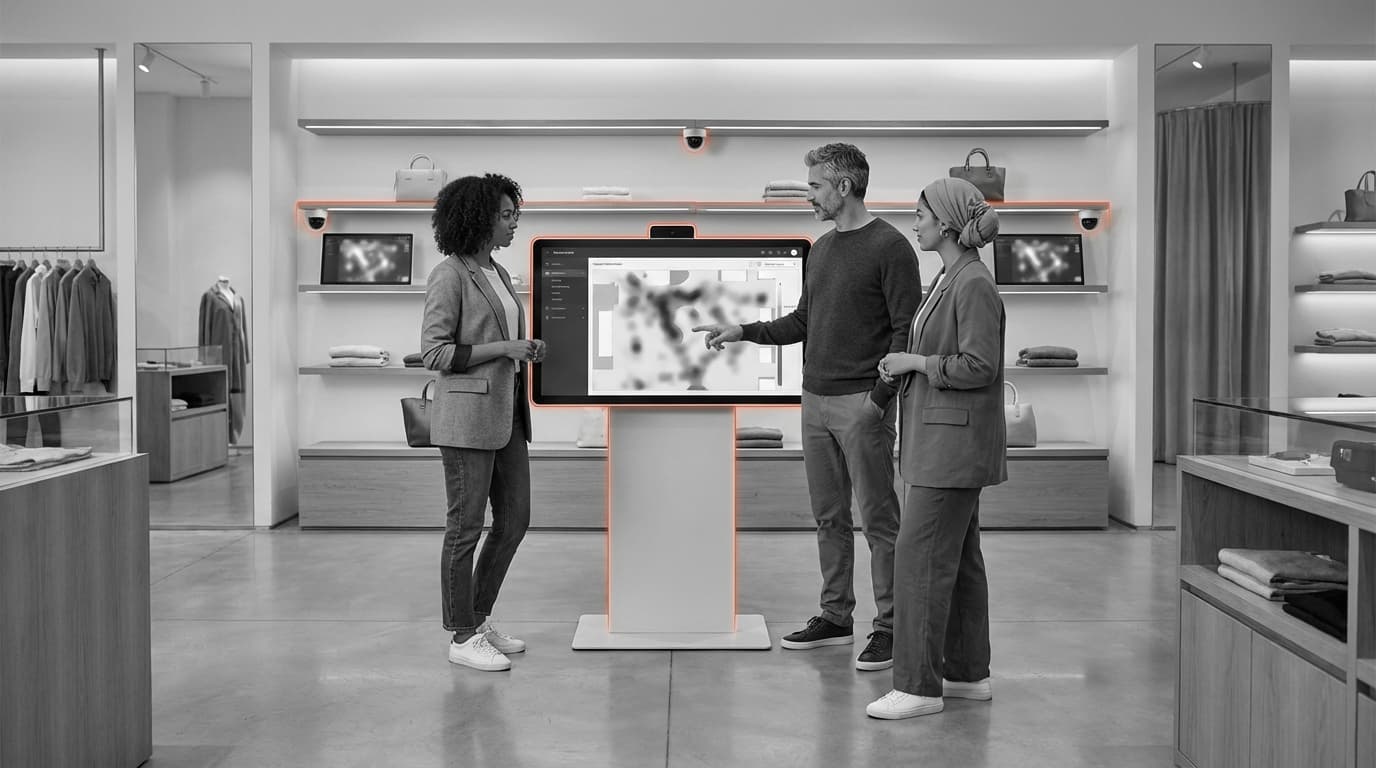
Computer vision analytics in retail uses cameras and image analysis to track customer movements, measure engagement with products, optimize store layouts, and enhance shopping experiences. Retailers deploy computer vision systems to understand how customers interact with stores, identify popular products, measure dwell times, and optimize product placement. The technology provides insights that are difficult or impossible to obtain through traditional analytics methods.
Applications include analyzing customer flow patterns, measuring product interaction, detecting out-of-stock situations, implementing checkout-free stores, and optimizing store layouts based on customer behavior. Retailers use computer vision to understand the physical shopping experience in detail, enabling data-driven decisions about store design, product placement, and customer service. The analytics combines image processing, behavioral analysis, and retail domain knowledge.
At the Incremental Innovation to Sustaining Performance stage, computer vision in retail is deployed by leading retailers globally, with varying levels of sophistication. The technology is advancing with better accuracy, privacy-preserving approaches, and integration with retail analytics platforms. Challenges include privacy concerns, computational requirements, and ensuring insights translate into actionable improvements.
Related Organizations

Provides autonomous checkout solutions for brick-and-mortar retailers using computer vision.

Computer vision solutions for retail shelf monitoring and inventory analytics.

Flexible autonomous shopping platform using camera-only computer vision.

Computer vision company building infrastructure for frictionless shopping and retail analytics.

Provides shelf-cameras and AI to automate inventory management and merchandising.
In-store analytics provider using cameras to measure foot traffic and customer behavior.

Checkout-free technology platform for retailers using sensor fusion and computer vision.

AI computer vision company specializing in reducing shrinkage at the point of sale.

Smart Data Capture platform that turns smart devices into ID scanners with local processing capabilities.
Sensormatic
United States · Company
Retail solutions provider (part of Johnson Controls) offering computer vision for loss prevention and shopper insights.
Supporting Evidence
Research this in Signals
Signals turns a topic into a sourced research record you can inspect and rerun. Your first scan is free, and this one starts with Computer Vision in Retail Analytics already loaded, so edit it or scan as is.