Multi-Omic Personalization Engines
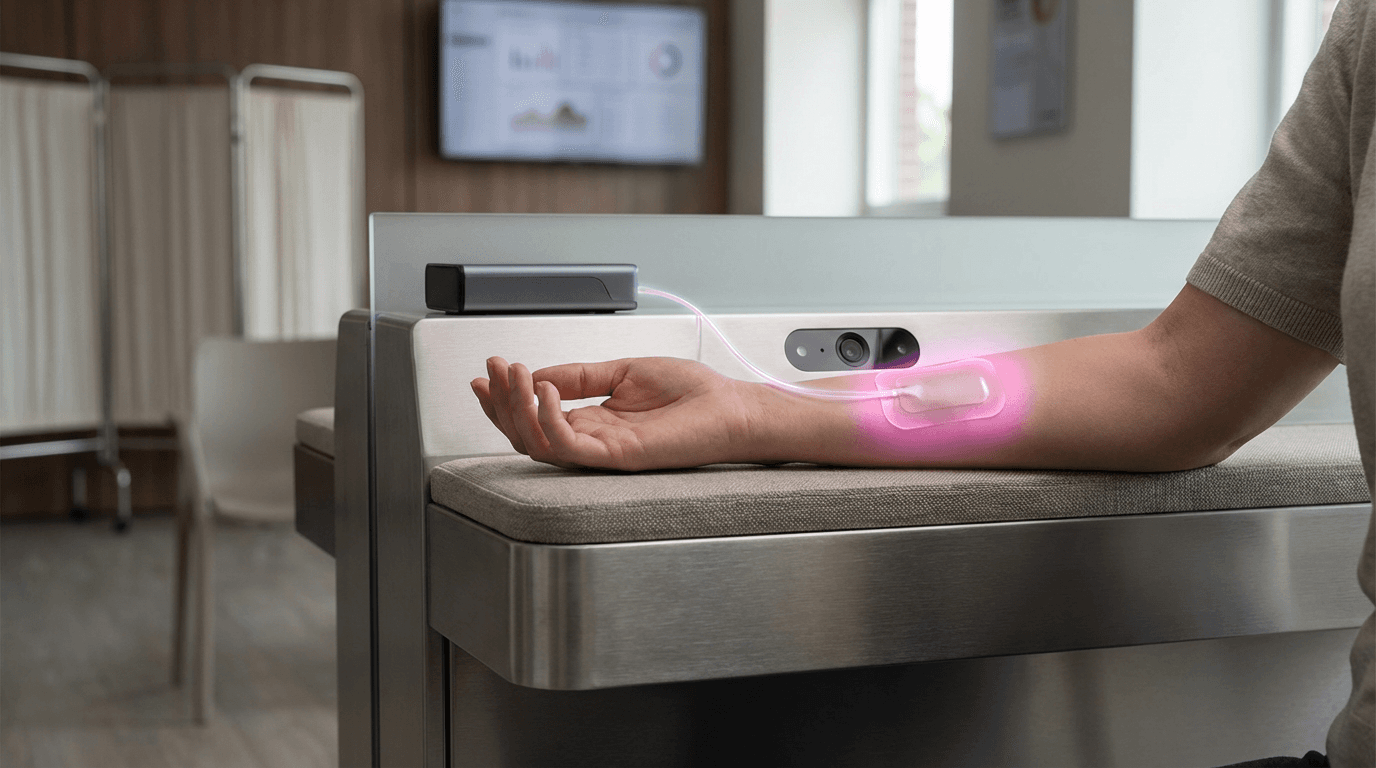
Multi-omic personalization engines are sophisticated computational platforms that integrate data from multiple biological layers—genomics (DNA sequence variations), epigenomics (gene expression patterns and DNA methylation), metabolomics (small molecule profiles), proteomics (protein expression), and microbiome analysis (bacterial, fungal, and viral communities)—to create comprehensive biological profiles. These systems use advanced algorithms to identify patterns and relationships across these different data types, then generate highly personalized recommendations for skincare products, supplements, dietary interventions, and lifestyle modifications that are specifically tuned to an individual's unique biological architecture, genetic predispositions, and current physiological state.
This innovation addresses the limitation of single-marker approaches to personalization, where focusing on just genetics or just microbiome provides an incomplete picture. By integrating multiple biological layers, these engines can identify complex interactions and provide more accurate, comprehensive personalization. Companies like Viome, DayTwo, and various precision wellness platforms are developing multi-omic approaches, with the goal of creating truly personalized health and beauty recommendations based on comprehensive biological understanding.
The technology is particularly significant for the future of personalized medicine and wellness, where understanding the full biological context could enable more effective interventions for both health and appearance. As omics testing becomes more affordable and data integration improves, multi-omic personalization could become the gold standard for personalized recommendations. However, managing data complexity, ensuring privacy, interpreting results accurately, and translating insights into actionable recommendations remain significant challenges. The technology represents the cutting edge of personalized wellness, but requires continued development and validation to achieve its full potential.
Related Organizations
United Kingdom · Startup
Develops adhesive patch kits that collect skin microbiome samples for at-home sequencing and molecular analysis.
HelloBiome
United States · Startup
A B2B platform offering microbiome R&D services and testing for beauty brands to validate claims.
Japan · Company
Conducts extensive research into skin elasticity and the basement membrane, developing proprietary peptide complexes for bio-regeneration.

A biotechnology company that digitizes human biology to prevent and reverse chronic diseases using mRNA analysis of the microbiome.
Estonia · Startup
A leader in generative AI for skincare, creating predictive models that simulate skin aging and the effects of products over time.
Australia · Company
A pioneer in genomics and skin health, offering DNA testing kits specifically designed to analyze genetic markers associated with skin aging and health.

Invests heavily in 'in silico' biology and microbiome digital twins to test product efficacy without animal testing.
Finland · Startup
Provides a Digital Health-Beauty-Wellness Platform that combines AI skin analysis with AR try-on capabilities for retailers.
A personalized health analytics company that analyzes blood and DNA biomarkers to provide science-backed lifestyle and nutrition recommendations.
Supporting Evidence
Research this in Signals
Signals turns a topic into a sourced research record you can inspect and rerun. Your first scan is free, and this one starts with Multi-Omic Personalization Engines already loaded, so edit it or scan as is.