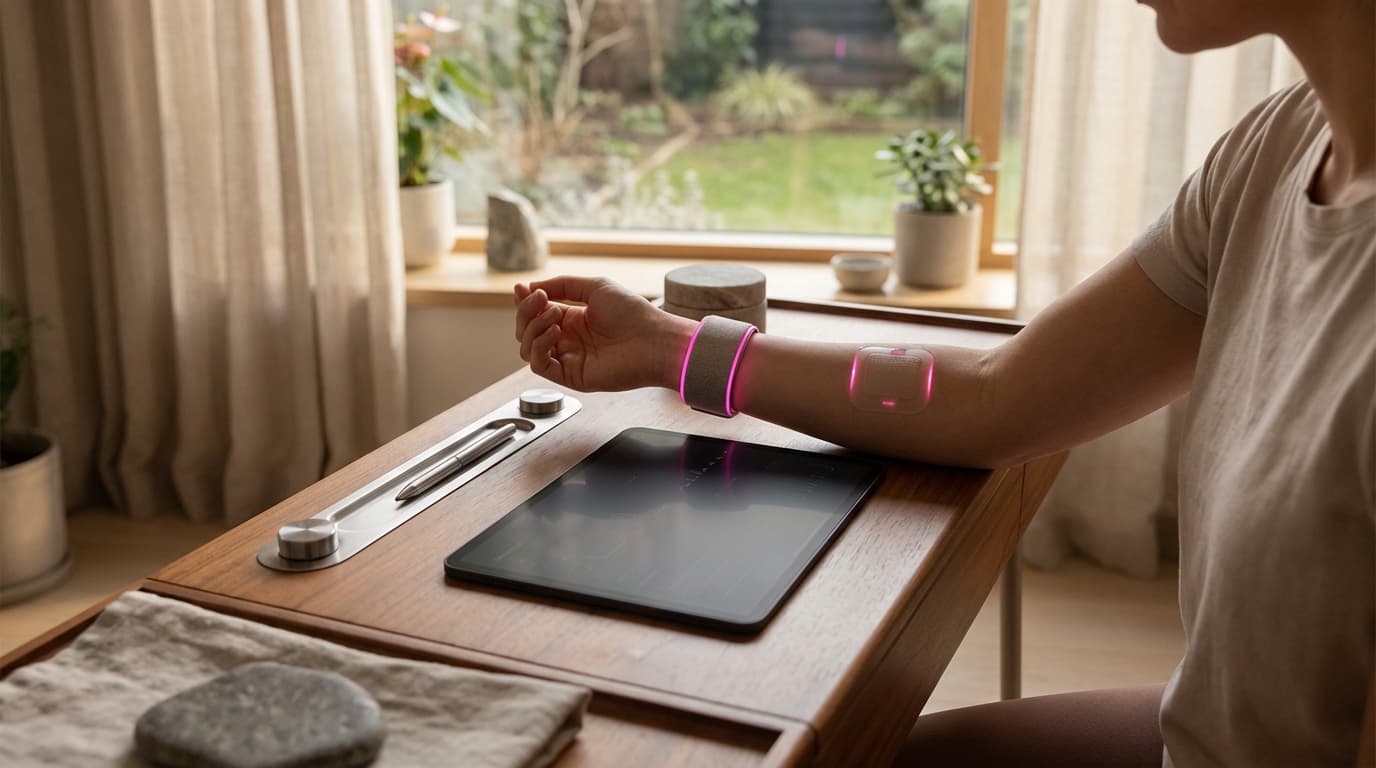
Longevity Optimization Engines
Longevity optimization engines are AI-powered platforms that integrate diverse data streams—wearable device metrics (heart rate variability, sleep quality, activity levels), dermal biomarkers (skin elasticity, hydration, barrier function), blood biomarkers (inflammatory markers, hormone levels, metabolic indicators), genetic data, and lifestyle factors—to calculate biological age and recommend interventions that can slow or reverse aging processes. These systems use machine learning algorithms to identify patterns and correlations between behaviors, biomarkers, and aging outcomes, then generate personalized recommendations for diet, exercise, sleep, stress management, supplements, and aesthetic treatments that target both appearance and underlying health.
This innovation addresses the fragmented approach to aging, where appearance-focused treatments and health-focused interventions are typically separate, despite their interconnectedness. By taking a holistic view that recognizes how systemic health affects appearance and vice versa, these engines enable comprehensive anti-aging strategies. Companies like InsideTracker, ZOE, and various longevity-focused platforms are developing these capabilities, with growing interest from consumers seeking evidence-based approaches to healthy aging.
The technology is particularly significant for the convergence of aesthetics and longevity medicine, where optimizing biological age can improve both appearance and healthspan. As biomarker testing becomes more accessible and wearable technology improves, these engines could become central tools for personalized aging interventions. However, ensuring scientific validity, managing the complexity of aging biology, and translating recommendations into sustainable lifestyle changes remain challenges. The technology represents an emerging field at the intersection of aesthetics, wellness, and longevity science, but requires continued research and validation to establish its effectiveness.
Related Organizations


A consumer longevity company co-founded by David Sinclair that offers epigenetic age testing and personalized lifestyle/supplement recommendations.

A personalized health analytics company that analyzes blood and DNA biomarkers to provide science-backed lifestyle and nutrition recommendations.

A genomics-based, health intelligence company creating the world's largest database of sequenced genomes and phenotypic data to deliver personalized health insights.

Consumer health company focused on aging research and supplements.
United States · Startup
A longevity platform offering formulations targeting aging mechanisms and tests to track biological age.

Maker of the Oura Ring, a smart ring that tracks sleep, readiness, and stress.

A biotechnology company that digitizes human biology to prevent and reverse chronic diseases using mRNA analysis of the microbiome.

Personalized nutrition company running large-scale studies to predict individual responses to food based on gut health and blood sugar.
United States · Startup
Provides continuous glucose monitors (CGMs) and software to analyze metabolic health for non-diabetics.
Performance wearable company focusing on strain and recovery.
Supporting Evidence
Research this in Signals
Signals turns a topic into a sourced research record you can inspect and rerun. Your first scan is free, and this one starts with Longevity Optimization Engines already loaded, so edit it or scan as is.