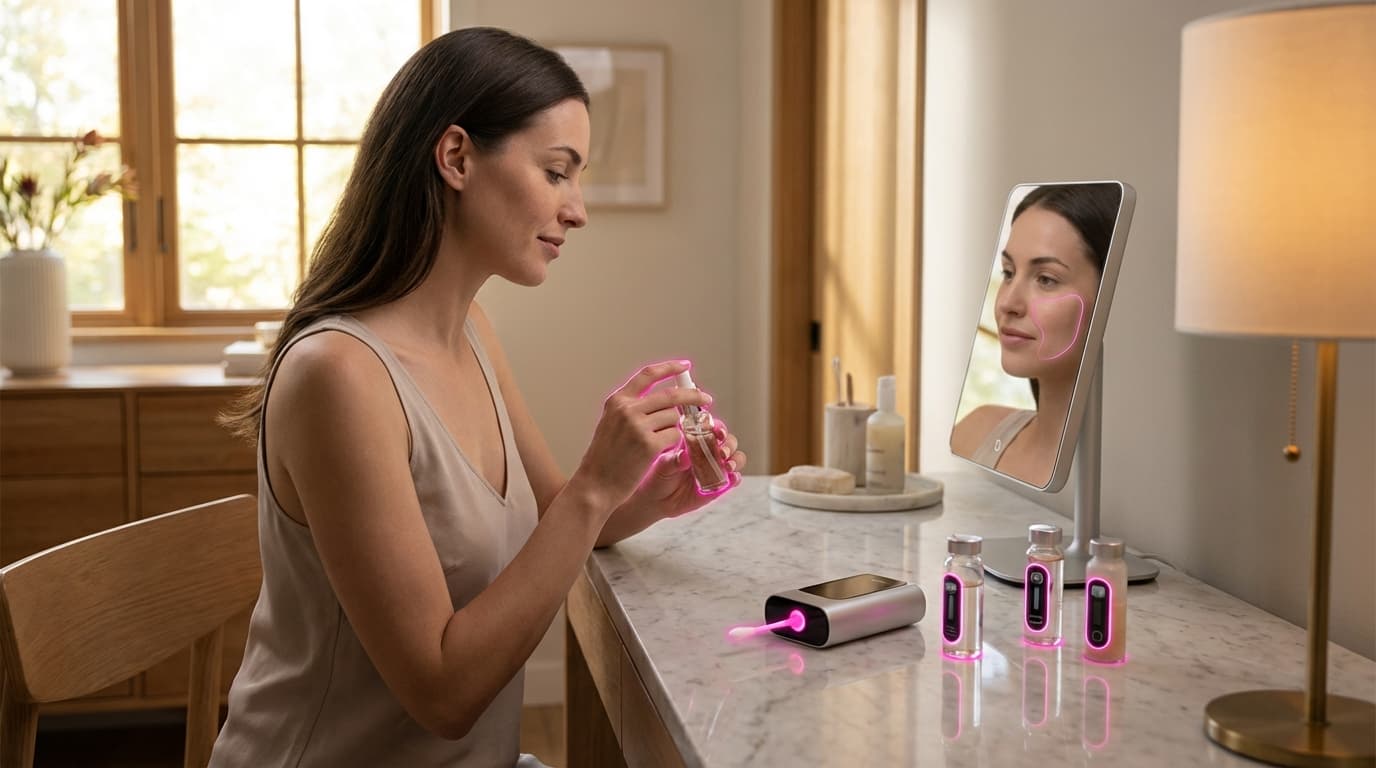
DNA-Based Skincare
DNA-based skincare uses genetic testing to analyze single nucleotide polymorphisms (SNPs) and other genetic variants that influence skin health, aging, and response to treatments. These tests examine genes related to collagen production and breakdown, pigmentation and sun sensitivity, antioxidant capacity and oxidative stress response, glycation susceptibility, inflammation, and detoxification pathways. Based on the genetic profile, personalized skincare regimens are created that include specific product formulations, active ingredients, and supplementation plans tailored to address individual genetic predispositions and optimize skin health based on genetic strengths and weaknesses.
This innovation addresses the one-size-fits-all limitation of traditional skincare, where products are designed for average responses rather than individual genetic makeup. By understanding genetic predispositions, these systems can create more targeted and potentially more effective skincare regimens. Companies like Proven Skincare, various genetic testing and personalized skincare platforms, and DNA-focused wellness companies are developing these services, with some already offering genetic testing and customized product recommendations.
The technology is particularly significant for creating truly personalized skincare based on individual biology, where genetic insights could enable more effective prevention and treatment strategies. As genetic testing becomes more affordable and understanding of skin genetics improves, DNA-based skincare could become standard. However, ensuring test accuracy, interpreting genetic data correctly, managing privacy concerns, and establishing clear evidence that genetic-based recommendations improve outcomes remain challenges. The technology represents an important application of personalized medicine to skincare, but requires continued research and validation to establish effectiveness.
Related Organizations
Sweden · Company
Combines DNA analysis with a lifestyle questionnaire to create a skincare regimen based on 'genoderm' factors.
United States · Startup
A biotechnology company offering a direct-to-consumer epigenetics test to determine current skin quality and match it with skincare products.
Belgium · Startup
A Belgian skincare brand that uses a DNA test (saliva sample) to create four personalized products based on the user's genetic profile.
Australia · Company
A pioneer in genomics and skin health, offering DNA testing kits specifically designed to analyze genetic markers associated with skin aging and health.
United States · Company
Specializes in genomic-based beauty and lifestyle solutions, offering white-label genetic testing for beauty brands.
Singapore · Company
Provides wellness and beauty DNA testing solutions in Asia, offering personalized recommendations for skin, nutrition, and fitness.
United States · Startup
Uses the 'Skin Genome Project' database to create personalized skincare products based on AI analysis of data, including genetic predispositions and lifestyle factors.
HK · Company
Consumer genetic testing company (owned by Prenetics) that provides comprehensive reports including skin traits like acne risk, glycation risk, and sun sensitivity.
Slovenia · Company
A European biotech company offering lifestyle DNA tests, including 'MySkin' which analyzes genetic risk for skin elasticity, hydration, and antioxidant needs.
United States · Company
A B2B platform using genomics and AI to help other brands create hyper-personalized wellness and skincare solutions.
United States · Company
A P&G brand that has conducted the Multi-Decade and Ethnicity Study (MDE) analyzing the skin transcriptome (gene expression) to understand aging.
Supporting Evidence
Research this in Signals
Signals turns a topic into a sourced research record you can inspect and rerun. Your first scan is free, and this one starts with DNA-Based Skincare already loaded, so edit it or scan as is.