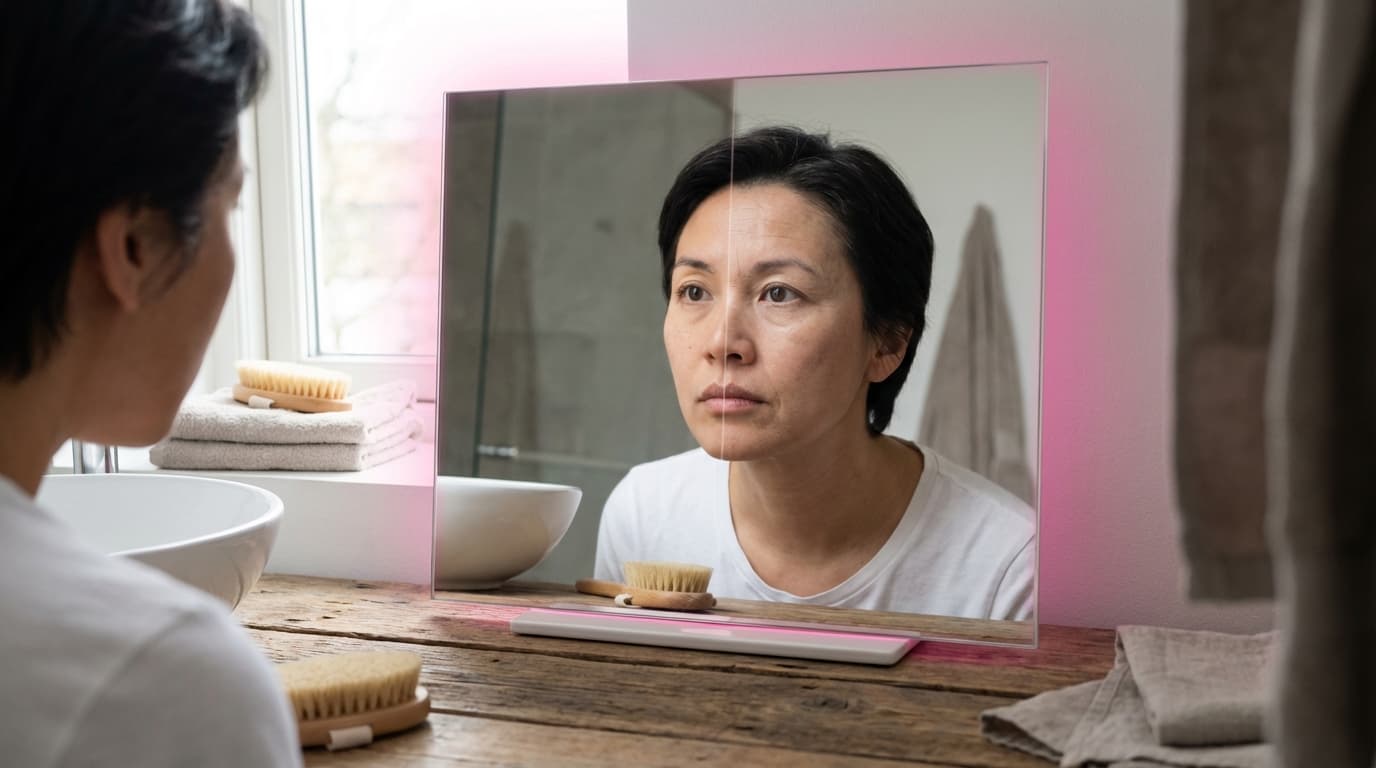
Aging Simulation Apps
Aging simulation apps use advanced facial recognition, 3D modeling, and machine learning algorithms to create photorealistic projections of how a person's appearance will change over time based on current skin condition, genetic factors, lifestyle choices, and environmental exposures. These apps analyze facial scans to assess current signs of aging, then apply predictive models that simulate how different factors—sun exposure, smoking, sleep quality, skincare routines, treatments—will affect appearance over years or decades. By showing multiple future scenarios (optimistic with good care, realistic with current habits, pessimistic with poor care), these apps help users visualize the long-term impact of their choices and motivate behavior change.
This innovation addresses the challenge of motivating preventative skincare and lifestyle changes, where the long-term benefits of good habits are abstract and difficult to visualize. By providing concrete, personalized visualizations of future appearance, these apps create emotional engagement that can drive adherence to skincare routines and lifestyle modifications. Companies like FaceApp, various skincare brands, and aesthetic clinics have developed aging simulation features, with these tools becoming popular for both consumer engagement and treatment planning.
The technology is particularly significant for preventative aesthetic medicine, where early intervention can be more effective than treating established signs of aging. As simulation models improve and become more accurate, aging simulation could become a standard tool for motivating long-term skincare and wellness behaviors. However, ensuring responsible use, managing psychological impact, and maintaining accuracy of predictions remain important considerations. The technology represents a powerful tool for behavior change, but requires careful implementation to maximize benefits while avoiding negative psychological effects.
Related Organizations
Estonia · Startup
A leader in generative AI for skincare, creating predictive models that simulate skin aging and the effects of products over time.
Taiwan · Company
Developer of the YouCam suite and AgileHand technology, providing enterprise-grade AR try-on solutions for makeup, nails, watches, and jewelry.
United States · Company
The industry standard for skin imaging systems (VISIA), providing the high-fidelity data required to build accurate digital skin twins.
Canada · Company
An AR beauty technology provider acquired by L'Oréal to power virtual try-ons across the group's portfolio and partners like Amazon.
South Korea · Company
Manufacturer of advanced skin and hair diagnostic devices that utilize optical technology and AI for home and clinic use.
Cyprus · Company
A mobile application famous for its neural network-based photo editing.
Finland · Startup
Provides a Digital Health-Beauty-Wellness Platform that combines AI skin analysis with AR try-on capabilities for retailers.
Switzerland · Company
A leader in 3D aesthetic simulation, allowing patients to visualize surgical results using VR and 3D modeling.
Sweden · Company
Specialists in face tracking and analysis, providing the underlying algorithms for many consumer-facing AR beauty applications.
Supporting Evidence
Research this in Signals
Signals turns a topic into a sourced research record you can inspect and rerun. Your first scan is free, and this one starts with Aging Simulation Apps already loaded, so edit it or scan as is.