
Anti-Aging Science Moves Beyond Wrinkles to Cell Repair
This page is a narrower case of it.
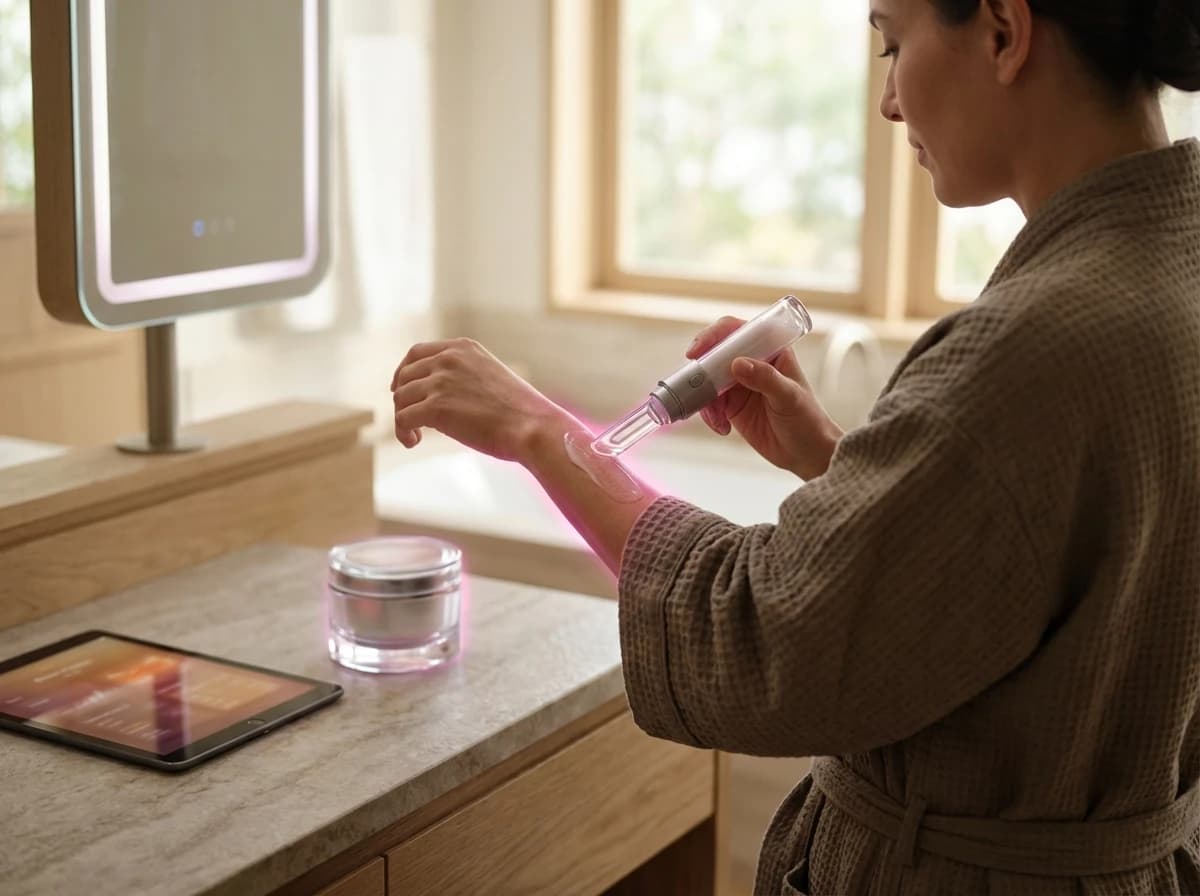
Epigenetic beauty interventions use topical formulations and injectables that target the epigenetic mechanisms controlling gene expression, including DNA methylation patterns, histone modifications, and non-coding RNA regulation, to influence processes tied to skin aging, pigmentation, and cellular function. These interventions include peptides and small molecules designed to activate longevity pathways (like sirtuins), modulate telomere maintenance, enhance mitochondrial function, and reset cellular aging clocks. By targeting the epigenetic drivers of aging rather than just symptoms, these approaches aim to achieve more fundamental and lasting improvements in skin health and appearance.
This innovation addresses the limitation of traditional anti-aging approaches, which primarily treat visible signs of aging without addressing underlying cellular aging processes. By targeting epigenetic mechanisms, these interventions could potentially reverse or slow fundamental aging processes at the cellular level. Research institutions and forward-thinking skincare companies are exploring these approaches, with some peptides and compounds showing promise in early studies for improving skin appearance and function through epigenetic modulation.
The technology is particularly significant for the future of anti-aging medicine, where understanding and manipulating epigenetic aging could enable more effective and lasting interventions. As research progresses and compounds are validated, epigenetic interventions could become a cornerstone of advanced anti-aging protocols. However, ensuring safety, understanding long-term effects, and translating research findings into effective products remain significant challenges. The technology represents an emerging frontier in aesthetic medicine, but requires extensive research and validation to establish efficacy and safety.
United States · Startup
A biotechnology company offering a direct-to-consumer epigenetics test to determine current skin quality and match it with skincare products.
United States · Startup
Biotech company developing the OS-01 peptide, which targets senescent cells and influences epigenetic markers to reverse skin aging.
United Kingdom · Company
Luxury skincare brand founded by a stem cell biologist, utilizing TFC8 technology.
United States · Company
Global beauty giant conducting extensive research into circadian rhythms, micro-RNA, and sirtuin activation (SIRT-1, SIRT-3, SIRT-6) in skin cells.
Switzerland · Company
Develops Mitopure (Urolithin A), a molecule that improves mitochondrial function for both muscle performance and skin health.
Japan · Company
Conducts extensive research into skin elasticity and the basement membrane, developing proprietary peptide complexes for bio-regeneration.
France · Company
High-end French skincare brand known for biological serums that utilize specific peptides and extracts to influence skin regeneration pathways.
United States · Company
Biotech-led skincare brand focusing on the microbiome and skin barrier.
United States · Research Lab
Nonprofit research organization focusing on systems biology and wellness.
Invests heavily in 'in silico' biology and microbiome digital twins to test product efficacy without animal testing.
Published forecasts about this technology, graded against what happened in Hindsight.
Anti-Aging Science Moves Beyond Wrinkles to Cell Repair
This page is a narrower case of it.
Signals turns a topic into a sourced research record you can inspect and rerun. Your first scan is free, and this one starts with Epigenetic Beauty Interventions already loaded, so edit it or scan as is.